
 E-Paper



Pregnancy stress affects men too: Would-be fathers may be at risk of depression


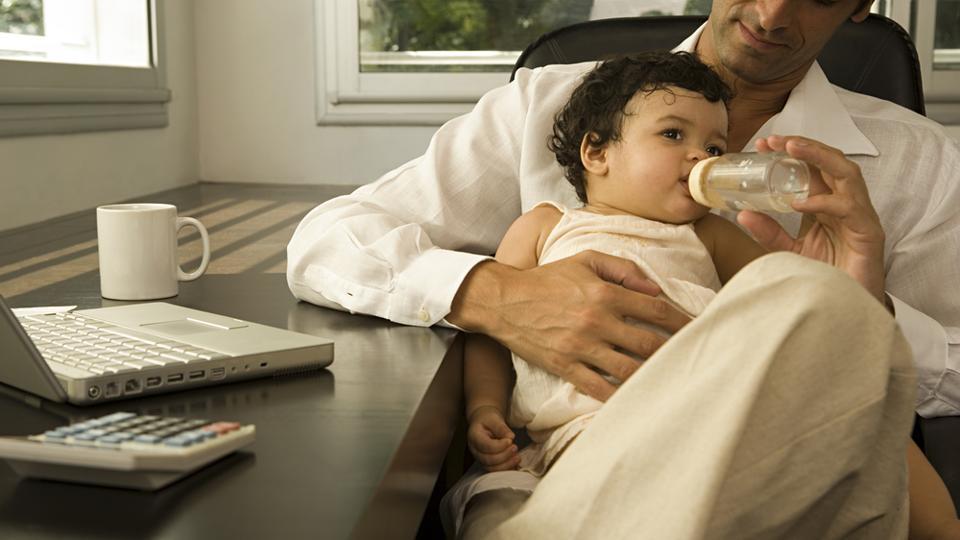
Would-be fathers who experienced stress or had poor health during their partner’s pregnancy, too may be at an increased risk of developing depression.
If you thought that only women suffer depression during pregnancy as well as post delivery, you may be wrong.
According to a new study, would-be fathers who experienced stress or had poor health during their partner’s pregnancy, too may be at an increased risk of developing depression.
The findings showed that apart from depression during the third trimester of their partners’ pregnancy, they can also suffer post-partum depression – that occurs after childbirth – similar to women who gave birth, though their bodies do not go through the same sort of changes.
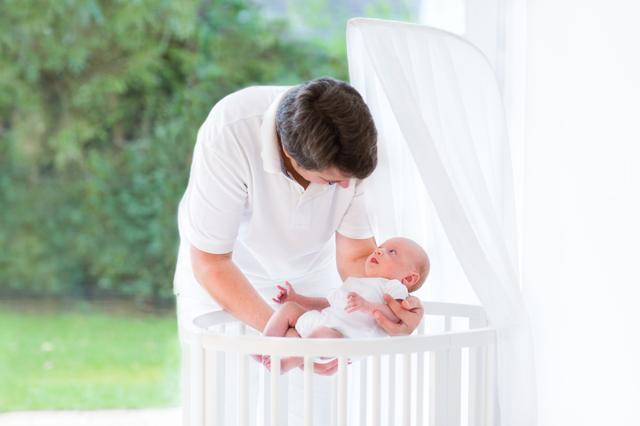
“Only relatively recently has the influence of fathers on children been recognised as vital for adaptive psychosocial and cognitive development,” said Lisa Underwood from the University of Auckland in New Zealand.
This depression in fathers – which took place nine months after the birth of the child – was associated with perceived stress in pregnancy, no longer being in a relationship with the mother, poor health, being unemployed and having a history of depression.
“Given that paternal depression can have direct or indirect effects on children, it is important to recognise and treat symptoms among fathers early and the first step in doing that is arguably increasing awareness among fathers about increased risks,” Underwood added.
For the study, published in the journal JAMA Psychiatry, the team examined 3,523 men, with an average age of 33, who experienced ante-natal (before birth) depression symptoms and post-natal (after birth) depression symptoms.
Follow @htlifeandstyle for more.
Catch your daily dose of Fashion, Taylor Swift, Health, Festivals, Travel, Relationship, Recipe and all the other Latest Lifestyle News on Hindustan Times Website and APPs.


