
 E-Paper



From Bastille to this month's riots, the long history and culture of street protests in France
From Victor Hugo's 1832 barricades to the 1968 revolt that shut Cannes, the story of France's protest culture, and the riots testing it now.

 Prefer HTon Google


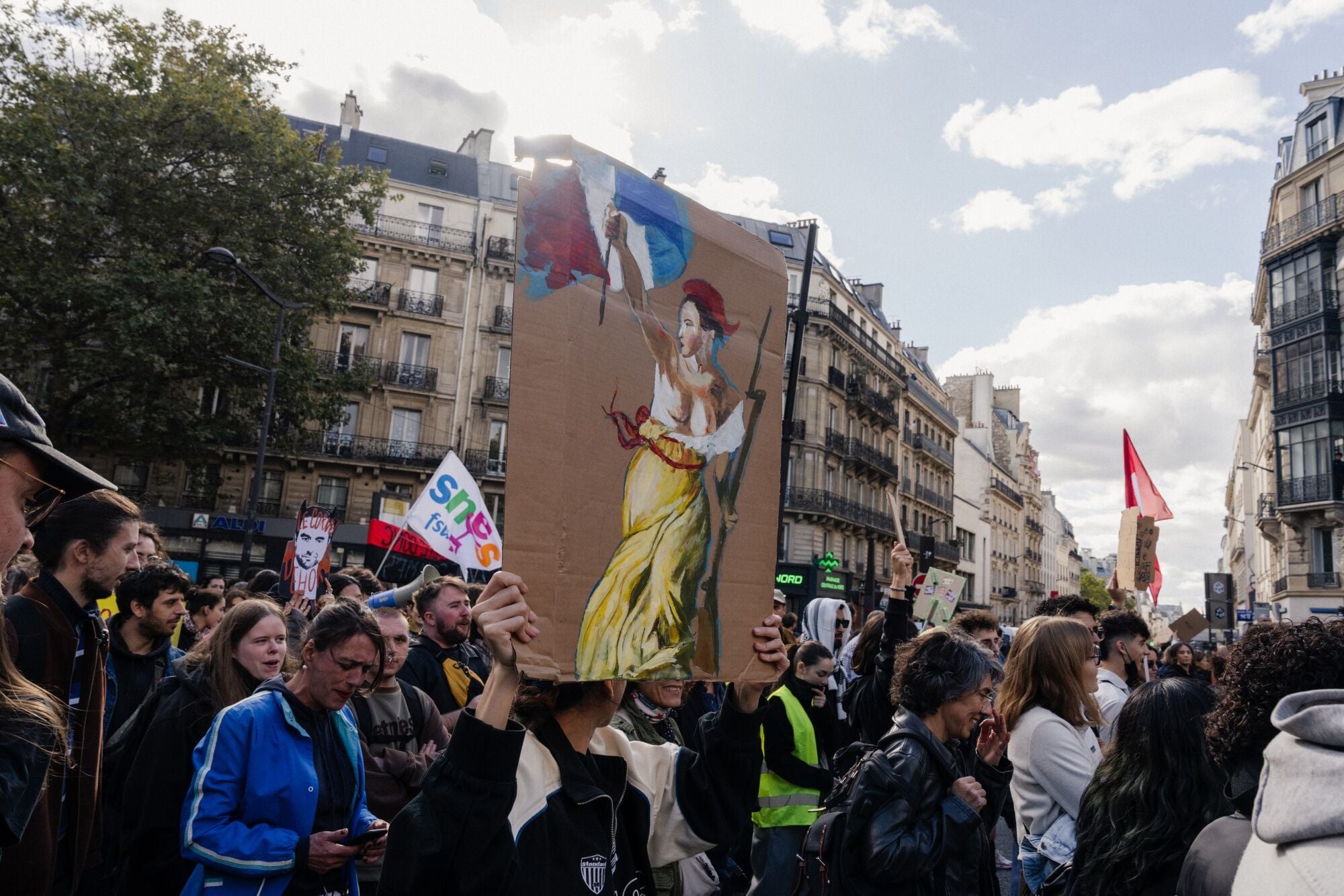
The marches and protests that ended in France's worst rioting in years on October 17 draw on a habit more than two centuries old, in which French governments have repeatedly given ground to people who take to the streets.
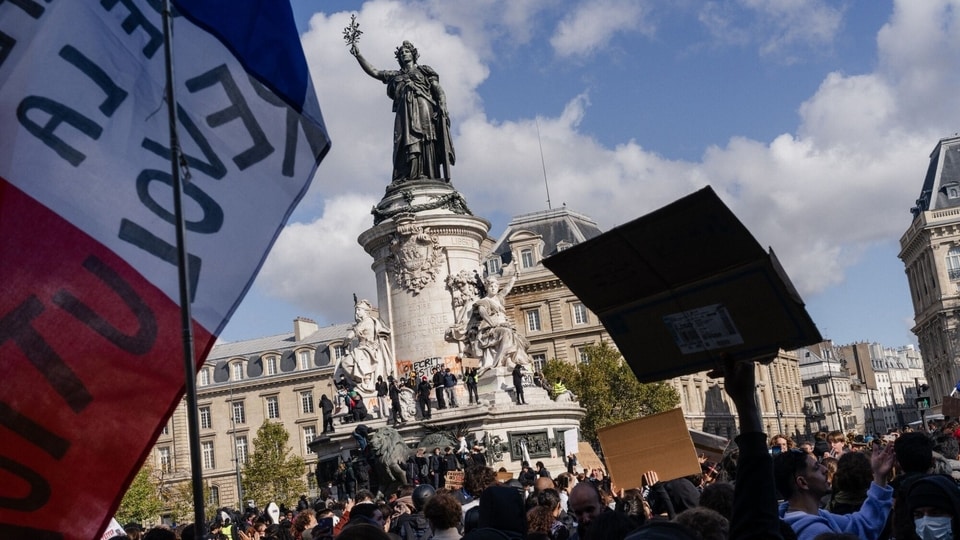
Strikes won French workers paid holidays and a 40-hour week in 1936, and a 35% rise in the minimum wage in 1968. Students forced governments to drop a university bill in 1986 and a youth jobs contract in 2006.
This time the government, running one of the euro zone’s largest budget deficits with a fractured Parliament, has little left to concede.
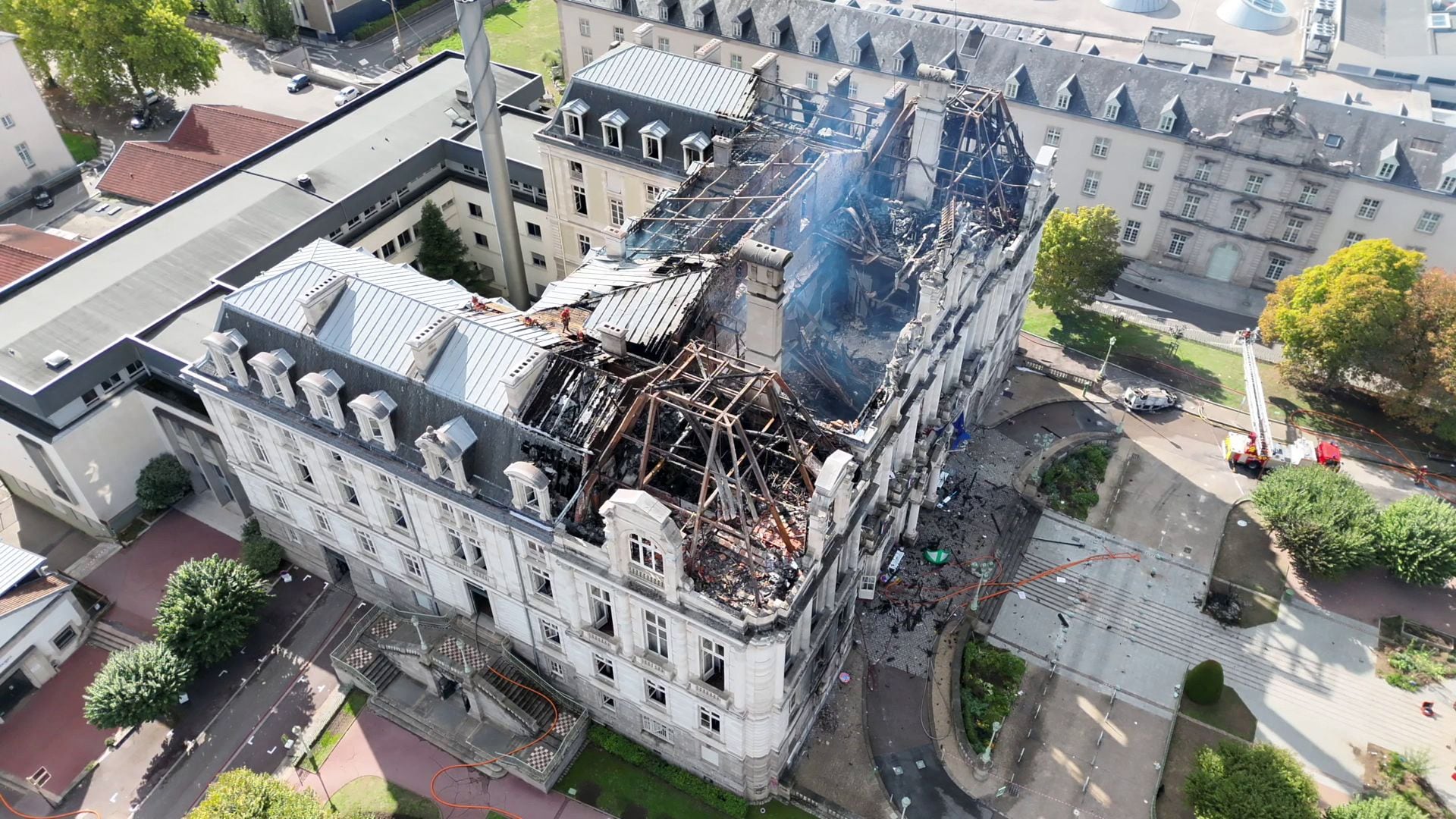
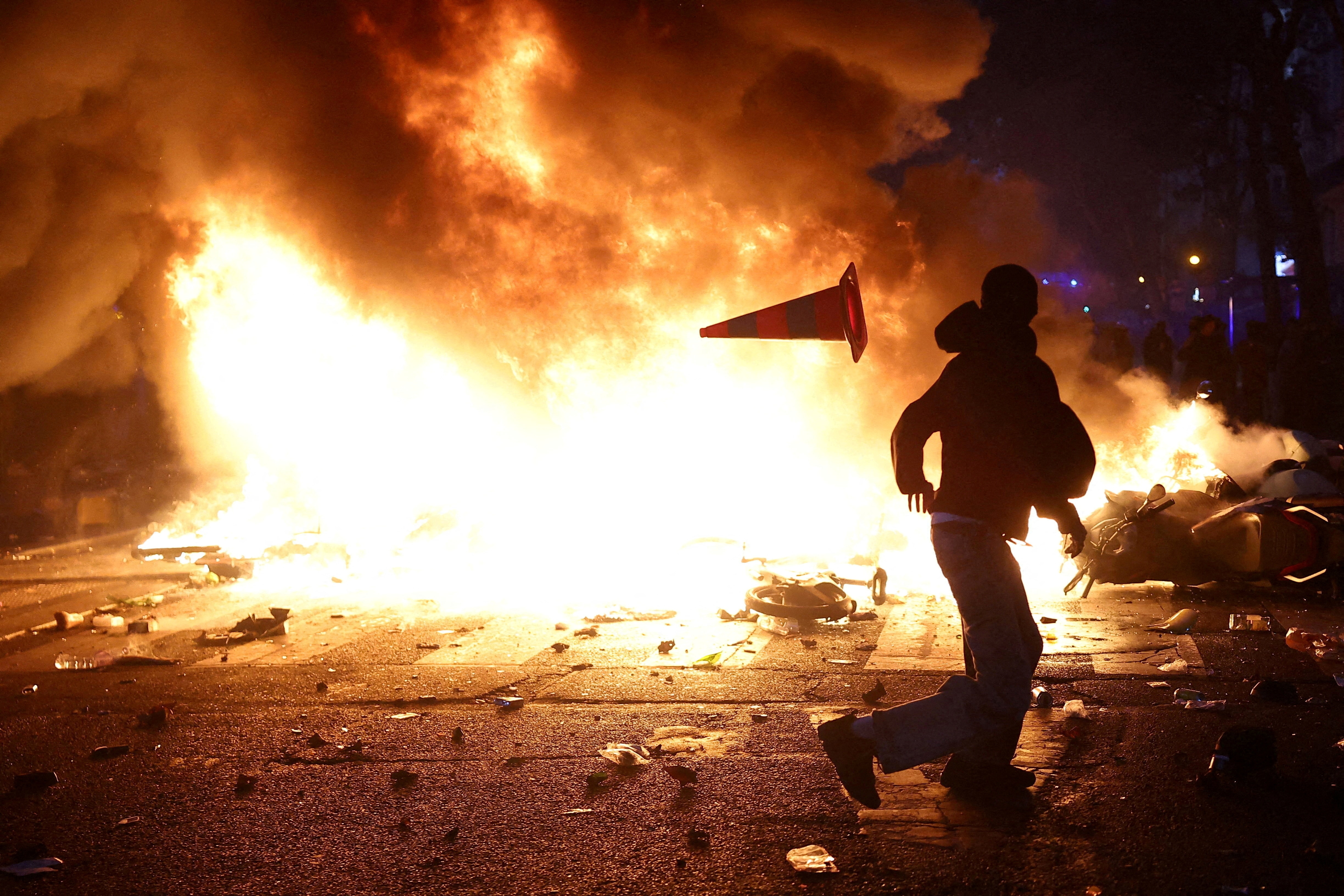
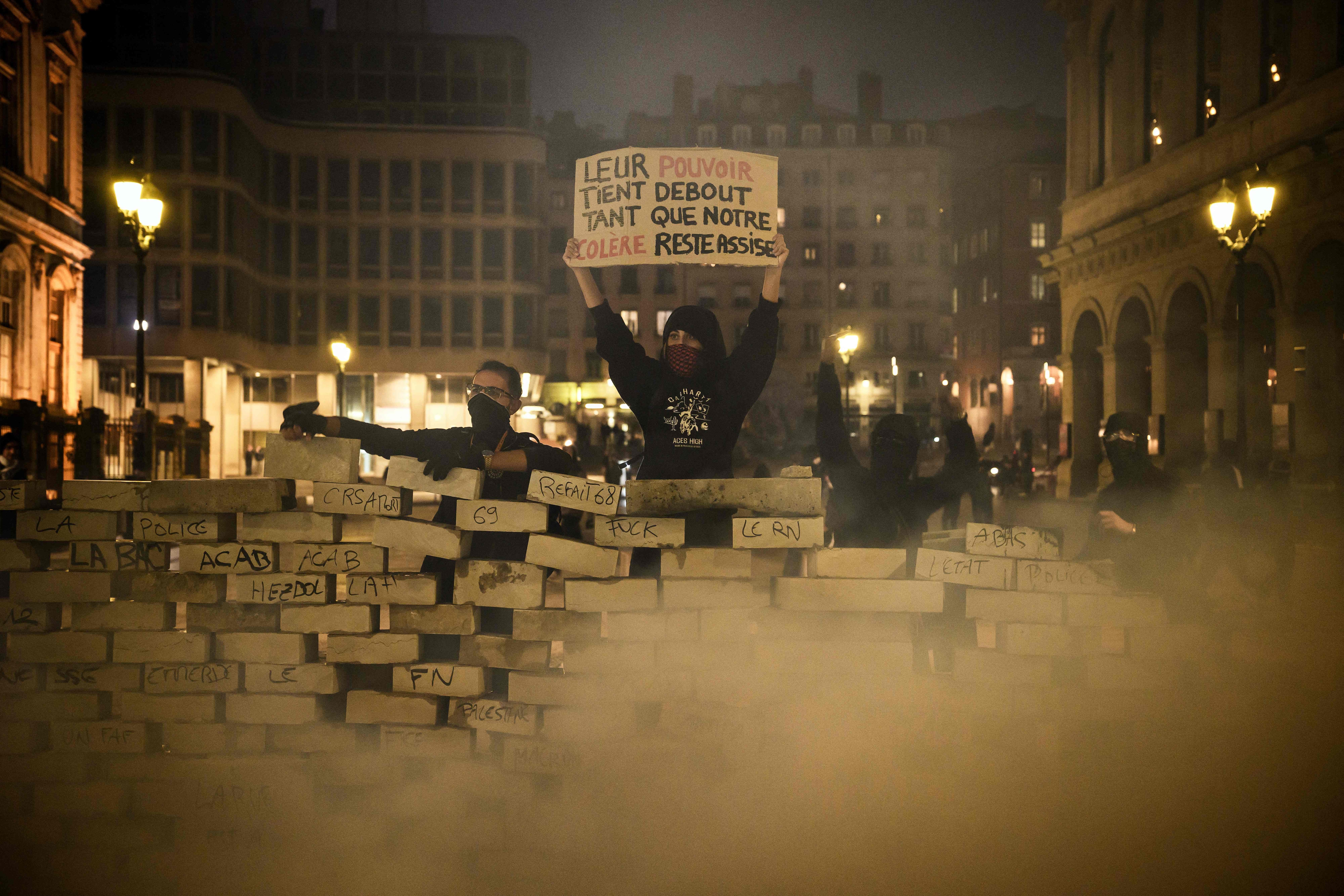
Some half-a-million people marched across France on Saturday against rising prices, in a movement that began four weeks earlier with students demanding better conditions in their schools. By nightfall, masked groups had looted shops, set fire to cars and stormed public buildings. At least 3,000 businesses were damaged, and fire nearly destroyed a 19th-century city hall in Limoges, in central France. The country's interior ministry put Saturday's arrests at 2,397, and Paris and several other cities imposed overnight curfews on Monday.
Also read: From France to Italy, protests across Europe over rising cost of living
A right written into the Revolution
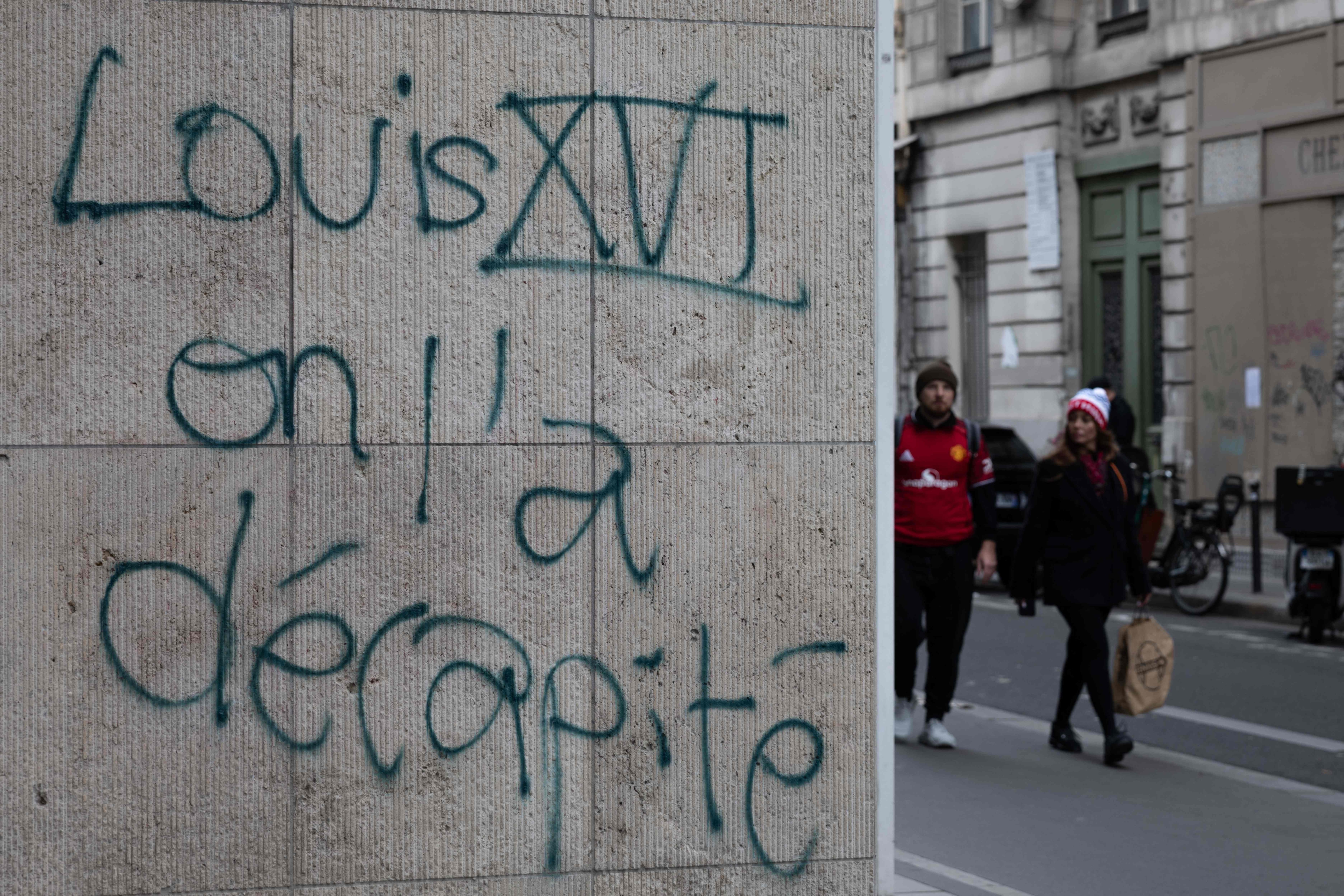
It was in 1789 when a Paris crowd stormed the Bastille, a royal prison, and set off the French Revolution, paving the path to the guillotine for King Louis XVI and his queen Marie Antoinette.
In the years after, the revolutionaries wrote the idea of revolt into their declaration of rights. Article 35 of the Declaration of the Rights of Man and of the Citizen of 1793 says, "When the government violates the rights of the people, insurrection is, for the people and for each portion of the people, the most sacred of rights and the most indispensable of duties."
That declaration never came into force, and the authors of its 1795 replacement dropped both the duty of insurrection and the right of resistance to oppression.
Pierre Daunou, one of the authors of the 1795 Constitution, spoke for the commission of the National Convention, France's revolutionary assembly, that drafted it. He said the right had seemed to carry too many dangers and to open the door to too many abuses. Even so, French protest movements have invoked the symbolism of 1789 ever since, the New York Times noted.
Victor Hugo set the barricade chapters of his 1862 novel Les Misérables in a failed Paris rising of June 1832, likening the city, in Isabel F Hapgood's 1887 English translation, to "a piece of artillery; when it is loaded, it suffices for a spark to fall, and the shot is discharged".
In February 1848, the government banned a campaign of public banquets held to demand electoral reform. A protest against the ban became a revolution within days: King Louis-Philippe abdicated on February 24, and a republic was declared.
In 1871, the Paris Commune – a city government of the revolutionaries – lasted from March 18 until troops crushed it in the 'Bloody Week' of May 21–28. A resolution proposed in the French Senate in 2015 put the number of people shot dead at 10,000 to more than 30,000, and in 2016, the National Assembly, France's lower house, formally rehabilitated the victims of that repression.
David A Bell, a history professor at Princeton University, sees the streets as an informal check on power in France, a last resort when the legislature, the executive and the courts do not respond, the NYT reported.
Julian Bourg, a historian at Boston College, told the paper that "in France, there's a long tradition that the state embodies the people", and that the state is therefore directly accountable to them.
Past movements
Charles Tilly, in The Contentious French (1986), a study of four centuries of popular protest, traced how the French built up a set of tactics they could reach for. These included delegations and public meetings by the late 18th century, then strikes and demonstrations in the 19th.
Often, those tactics paid off.
In the spring of 1936, weeks after a left-wing alliance called the Popular Front won the general election, workers occupied factories across France. Prime minister Léon Blum brought employers and the CGT union federation to his official residence, the Hôtel Matignon, where on June 7-8 they signed a deal raising wages and recognising workers' delegates.
Within a fortnight, Parliament had passed two weeks' paid holiday and a 40-hour week. Nonetheless, the deal did not end the strikes at once. Antoine Prost, a historian writing in the French journal Le Mouvement social in 2002, found that a second wave of strikes carried on after the accords were made public, and a third broke out in late June and early July that year.
Decades later, in May 1968, with millions of workers on strike, the government, employers and unions met at the social affairs ministry on Rue de Grenelle in Paris and agreed on a 35% rise in the guaranteed minimum wage, according to a French Senate report.
The street has not belonged only to the Left.
In 1984, it was a Socialist government that faced the crowds. Education minister Alain Savary's bill was meant to bring private schools into a single, secular public education service but the move sparked protests. About a million people marched against it in Paris on June 24, according to Public Sénat, the French Senate's television channel.
On July 5, the Senate used a parliamentary manoeuvre against the bill and president François Mitterrand announced its withdrawal on July 14. Both Savary and then French prime minister Pierre Mauroy resigned in the aftermath.
In 1995, weeks of strikes on the railways, the Paris metro and across the public sector forced prime minister Alain Juppé to drop plans to make public employees contribute for longer before drawing a full pension, though he kept his overhaul of social security.
In 2018, the 'yellow vest' movement, named for the roadside safety vests its protesters wore, began over a rise in fuel tax. The government cancelled the hike, and President Emmanuel Macron announced a €100-a-month rise for minimum-wage earners and scrapped a tax rise for pensioners earning under €2,000 a month. The measures, AFP reported, were expected to cost the state up to €11 billion.
In other instances, though, the government held firm.
In 2023, Macron raised the age for a full pension from 62 to 64 and used a rare procedure to push it through Parliament without a vote, despite protests that at times drew more than a million people into the streets.
The historian Danielle Tartakowsky, in her book Le pouvoir est dans la rue (power is in the street), argues that only two waves of protest, in February 1934 and in May-June 1968, ultimately helped destabilise the political order of the day.
Also read: Targeted curfews, protest bans: France steps up security after worst riots in years; 2,400 arrested
Students on the barricades
Students have been at the forefront of some of France’s most prominent protests.
In February 1968, they protested after culture minister André Malraux sacked Henri Langlois, founder of the Cinémathèque française, the national film archive, triggering outrage. Bernardo Bertolucci's 2003 film The Dreamers – starring Michael Pitt, Eva Green and Louis Garrel – opens on those protests.
On May 3 that year, helmeted police entered the renowned Sorbonne university in Paris and rounded up hundreds of protesters. A week later, students ripped up paving stones to hurl at the police and built dozens of barricades across the Latin Quarter, the university district in Paris, while officers responded with tear gas.
The revolt thereon spread to the world of art. Filmmakers, including François Truffaut and Jean-Luc Godard, occupied the Palais des Festivals, the main venue of the Cannes Film Festival, and on May 19, its board “unanimously decided" to close the festival with no awards, the only interruption in its history.
In autumn 1986, higher education minister Alain Devaquet's bill to give universities more autonomy brought weeks of mass protests. A student, Malik Oussekine, died on December 6, after police intervention in Latin Quarter. Devaquet resigned, though he later said he had decided to do so before the student's death, and on December 8, prime minister Jacques Chirac withdrew the bill.
In 2006, students and unions marched for weeks against the CPE, a "first job contract" that would have let employers dismiss workers under 26 without explanation during a two-year trial period. Chirac, by then president, scrapped it on April 10.
This autumn, students – known in France as lycéens, after the lycée, the three-year upper-secondary school French students attend – staged blockades and demonstrations for more than three weeks over understaffed and dilapidated schools.
Bourg told the NYT that, for the first time in decades, high-school students were the first to act.
Protests and violence
Violence on the fringes of protests isn't uncommon to France.
In 2005, around 2,500 people were arrested in rioting that began after two teenagers died of electrocution while hiding from police in a Paris suburb. During the 2018 'yellow vest' protests, cars were burnt, shops looted and the Arc de Triomphe in Paris vandalised. The fatal police shooting of a 17-year-old outside Paris in June 2023 set off days of unrest in which thousands were arrested and hundreds injured, AP reported.
On the ongoing protests, Sebastian Roché, a research professor at Sciences Po Grenoble who studies policing, flagged accusations of excess force. Six people, including minors, had lost hands or eyes, he said, adding that such police action has not been seen in the past 40 years. AFP reported that a police grenade blew off one protester's hand, and that nearly 1,000 members of the security forces were injured.
France's interior minister Laurent Nuñez acknowledged that authorities "lost control" in some major cities, and said that police strategy needs to be adapted "in the face of extremely mobile groups".
Also read: Trump blames France riots on immigration
What's different this time?
The ongoing protests appear to borrow from history, but they differ too. Analysts point to a key change – the use of social media, which now lets a movement spread quickly, where past uprisings took longer to ripple out from Paris. And Macron, unlike in 2018, has little money to spend, with six months left in office before the presidential election of April-May 2027.
Student groups have called marches for Thursday and Saturday. A group seeking to revive the 'yellow vests' has called its own for Saturday, and unions have called a strike for November 5.


