
 E-Paper



Repurposing agrifood policies for biodiversity
This paper is authored by Reena Singh, Purvi Thangaraj, Ashok Gulati, Ruchi Pant, ICRIER.

 Prefer HTon Google


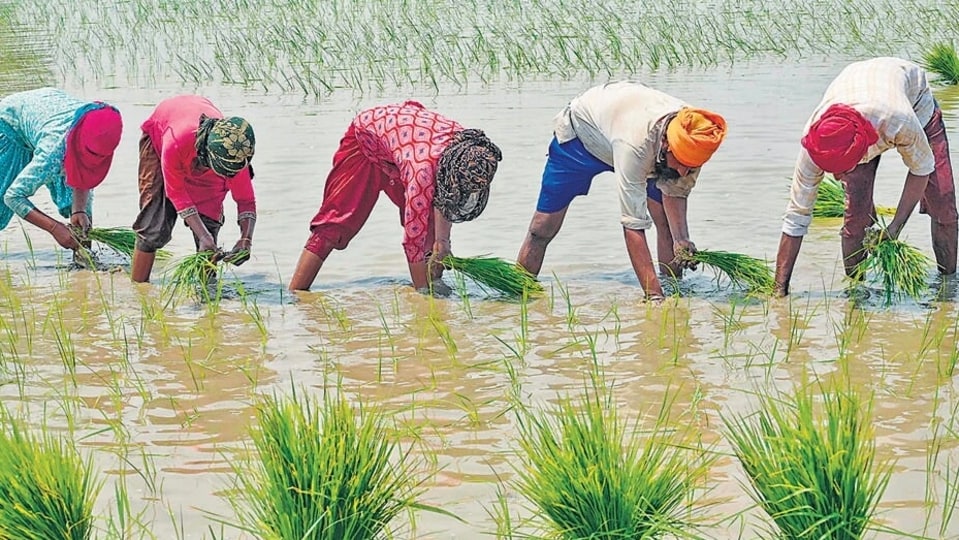
Agrifood systems are vital for the achievement of 2030 Kunming-Montreal Global Biodiversity Framework (KM-GBF) and the National Biodiversity Strategy and Action Plan (NBSAP) Targets 2030, particularly Target 18 “Repurpose detrimental incentives for biodiversity”. This report informs about the general linkages between agrifood incentives and their potential adverse effects on the agrobiodiversity. The report synthesises, calculates, and assesses the extent and impact of Agrifood Budgetary Support (AFBS) provided at the national and state (Punjab, Madhya Pradesh and Telangana) levels. India’s AFBS increased from ₹355 billion to ₹6328 billion per annum between FY01 to FY25. In TE 2024, it was ₹7076 billion, which is 17.3% of the total budget expenditure and 2.7% of the country’s gross domestic product (GDP). As this report demonstrates that the unconditional subsidies linked to the inputs can lead to negative environmental and biodiversity outcomes. Of the total AFBS, 28% of the support was found to be detrimental to biodiversity. Instead of incentivising biodiversity harmful practices, India should assess options to repurpose subsidy policies to neutralise their effects on biodiversity. This is also critical to the resource mobilisation to implement the KM-GBF.
This paper can be accessed here.
This paper is authored by Reena Singh, Purvi Thangaraj, Ashok Gulati, Ruchi Pant, ICRIER.


