
 E-Paper



From liberalisation to leverage: India’s trade moment
This article is authored by Sohani Singh, global political analyst and alumni, King’s College, London.

 Prefer HTon Google


In recent months, India’s parallel trade talks with the US, the European Union (EU), and the Gulf Cooperation Council (GCC) point to a deliberate expansion of India’s economic partnerships across the most influential global markets. The breadth of these trade negotiations suggests a careful realignment in how India is positioning itself in the global economic system. Under the leadership of Prime Minister (PM) Narendra Modi, India’s economic diplomacy has taken on a greater role globally. India is increasingly operating as a central economic partner whose market size, stability, and strategic relevance command attention.
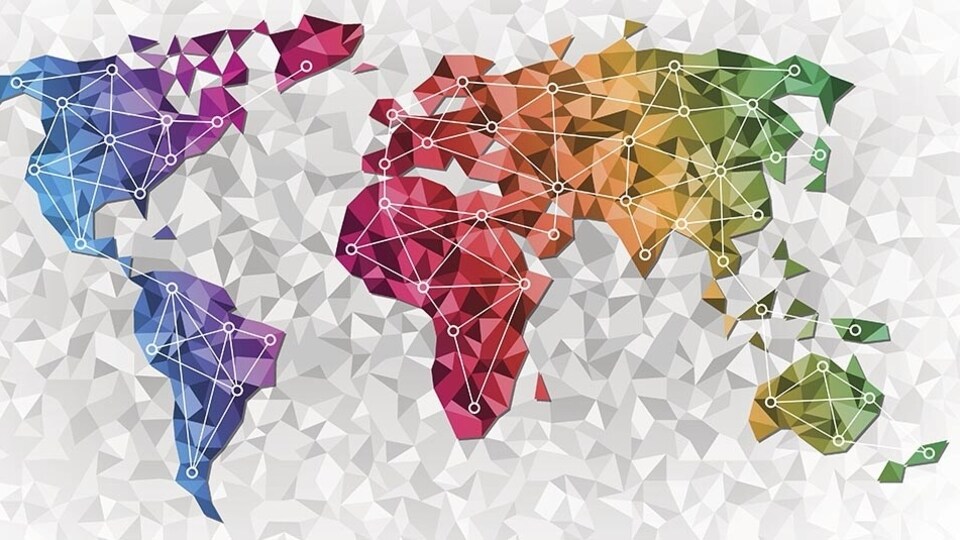
Taken together, India’s engagements with the US, the EU, and the GCC send a clear signal about its evolving place in the global order. These major economic blocs continue to shape trade policies, energy flows, and strategic relations. That India is engaging all three in close succession speaks to growing international confidence in its stability and long-term relevance. India, in turn, is increasingly viewed as a stable and credible partner across continents. India has built and sustained partnerships across diverse geopolitical landscapes, enabling it to engage simultaneously with western economies and the energy-rich Gulf countries. The sheer breadth of these talks points to an India situated in the centre of global economic and political conversations.
A distinctive aspect of India’s global presence is the confidence with which it is gaining momentum. Under PM Modi’s guidance, India’s economic engagements abroad have shifted from sporadic outreach to sustained, purpose-driven negotiations. India’s ability to advance partnerships in parallel with western economies and the Gulf indicates a foreign policy that is navigating the global economic order with a multipolar lens. India is positioning itself as an equal stakeholder, capable of advancing international interests while safeguarding domestic autonomy.
It is worth remembering a historical turning point in India’s economic journey. In the early 1990s, then PM Manmohan Singh opened India to the world, bringing in global brands, new markets, and a sense of economic optimism. That era was defined by entry and exposure for India, learning the tricks of international trade in more ways than one. Three decades later, under PM Modi, India is negotiating terms and shaping trade partnerships. The current wave of engagements reflects a country that has moved beyond integration and toward influence.
For most of its post-Independence economic journey, India found itself participating in international trade with caution. Today, the picture is vastly different. India is engaging diverse economic centres as an equal, with the confidence to negotiate terms and the capacity to sustain long-term partnerships. This shift carries a deep sense of national pride and confidence, built over decades and sharpened under PM Modi’s leadership. As India enters a decisive growth phase, it emerges as a reliable, central partner in a global economic order undergoing a fundamental transformation.
This article is authored by Sohani Singh, global political analyst and alumni, King’s College, London.


