
 E-Paper



India’s solar diplomacy in the Global South
This article is authored by Jajati K Pattnaik and Chandan Panda.

 Prefer HTon Google


In the backdrop of the Hormuz crisis, alternative and renewable energy sources have become increasingly important. Among other renewable energy sources, solar energy attracts global attention. India takes on a leadership role in global solar energy outreach. Solar diplomacy means using solar power as a foreign policy, economic strategy, and international relations tool. It emphasises collaboration among countries on the clean and renewable energy supply chain, green technology, sustainable infrastructure, and carbon emissions reduction. The purpose of this cooperation is to achieve energy independence, reduce greenhouse gas emissions, address the climate crisis, end reliance on fossil fuels, meet international climate goals, and protect against volatility in global oil and gas markets. Solar diplomacy also involves geopolitical influence, strategic economic partnerships, and funding projects on solar initiatives. In the wake of the energy crisis, the blockade of energy transit routes, and the climate hazards of fossil fuel consumption, solar diplomacy has become increasingly critical. India has been spot-on in anticipating the solar future and works in tandem with partners to make solar energy a viable, reliable, and clean energy alternative for the Global South.
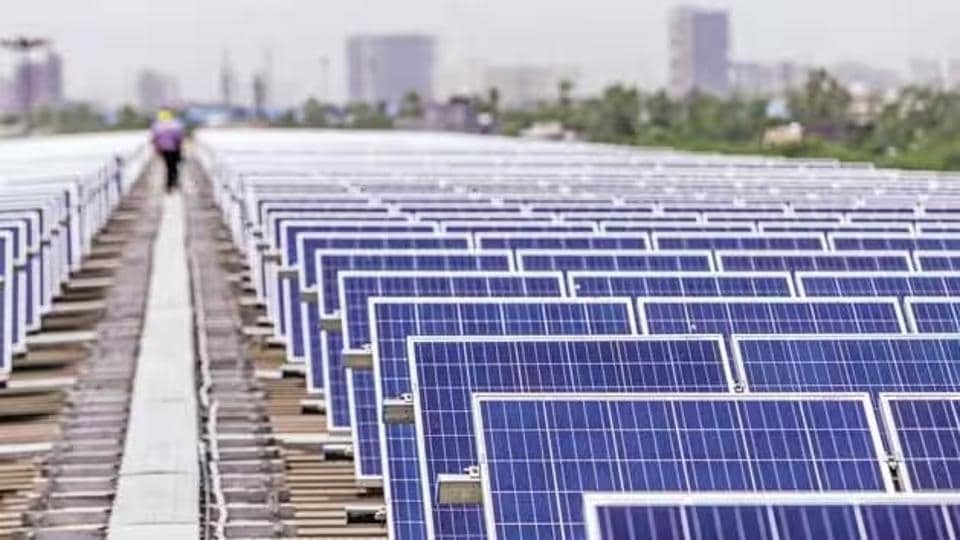
The key initiatives in this direction are the International Solar Alliance (ISA) and Cross-Border Grids. The ISA is an Indo-French joint initiative and a landmark in solar diplomacy. It aims to unite "sunshine-rich" countries, especially in the Global South. Solar adoption among the developing countries is its main objective. For energy-dependent countries, solar adoption is an important step to attain energy autonomy. Cross-Border Grids refer to the vision of One Sun, One World, One Grid (OSOWOG). It is an international electricity collaboration among sunshine countries to build a robust energy-sharing corridor for the transfer of solar energy. The partnership of solar energy requires a robust solar diplomacy. It has become increasingly important in the wake of the energy crisis, supply chain disruption, and weaponisation of international waterways, for instance, the recent blockade of the Strait of Hormuz. Volatility in West Asia demands exploration of alternative energy sources. The Global South experiences inflation, economic instability and currency devaluation due to volatility in the energy supply chain. More importantly, solar energy reduces carbon emissions, addresses the climate crisis, and mitigates environmental degradation because of its renewability and clean, green energy production.
India's role in this connection has become increasingly vital. It leads global solar diplomacy through the ISA. The ISA was shaped and formulated on the sidelines of the UN Climate Change Conference (COP21) in Paris on November 30, 2015. The "sunshine belt" is India's diplomatic enterprise. The sun shines in countries included between the Tropic of Cancer and the Tropic of Capricorn. The regions between the Tropic of Cancer and the Tropic of Capricorn receive more sunlight because of the Earth’s tilt. They constitute the hottest central belt on the planet. In Asia, the regions include India, Bangladesh, Myanmar and Saudi Arabia. In Africa, they are Ethiopia, Nigeria, Kenya and the Democratic Republic of Congo. In the Americas, Brazil, Colombia, Mexico, and Peru receive the most intense sunlight. These countries can maximise solar energy harvesting. If they come together under the Indian-led Solar Alliance, cross-border grids can be developed to connect continents through a solar energy network. The Global South can ease its energy dependencies and can emerge as energy-surplus nations.
All United Nations member states may join under the 2020 amendment. Paraguay’s official entry marked the 100th fully ratified member country under the ISA umbrella. The Sunshine Belt Project aims to bring together the Global South through solar partnerships. The countries in the Global South are energy-dependent despite having more sunshine. The technology to convert sunlight into solar energy was an impediment. The ISA presents an opportunity to harness clean, green solar energy. India mobilises investment and works jointly for climate justice across the Global South. The ISA plans to invest over $1 trillion and generate 1,000 gigawatts of solar power globally to serve 1 billion people. The objective is to reduce annual carbon emissions of 1,000 million tonnes of CO₂. It provides a geopolitical platform for over 100 member countries to unite. India gives concessional lines of credit and supports solar electrification and irrigation in African countries. Notable examples include Senegal and Mozambique. These initiatives reduce diesel dependency and promote green energy and environmental safety. India designs solar mini-grids and promotes rooftop solar integration. It launches the Panchamrit goal of 500 GW non-fossil fuel capacity by 2030.
OSOWOG is India's transnational electricity grid initiative, proposed in 2018. It plans to connect about 140 countries to establish a global green energy grid to supply renewable energy. It is an ambitious project, but an important one nevertheless, in the face of the climate crisis and the unstable energy supply chain. The project is driven by the proposition that "the sun never sets". Solar energy cannot be produced after the sun sets. OSOWOG solves this problem by supplying energy from countries where it is day to those where it is night, ensuring a continuous supply of green, reliable energy. Solar energy produced in one part of the world must meet the demands of the other parts as well. OSOWOG was merged with the UK’s Green Grids Initiative (GGI) in 2021 during COP26. The ISA, the World Bank Group, and the ministry of new and renewable energy (MNRE) are working together to make the OSOWOG a reality in the Global South. A phased roadmap has been designed to reduce carbon footprints and meet climate targets.
(The views expressed are personal)
This article is authored by Jajati K Pattnaik, professor and chairperson, Centre for West Asian Studies, School of International Studies, Jawaharlal Nehru University, New Delhi and Chandan Panda, professor, Central University of Karnataka, Karnataka.


