
 E-Paper



India can drive trade digitalisation in APAC
This article is authored by Arpita Mukherjee and Arnab Ghosh.

 Prefer HTon Google


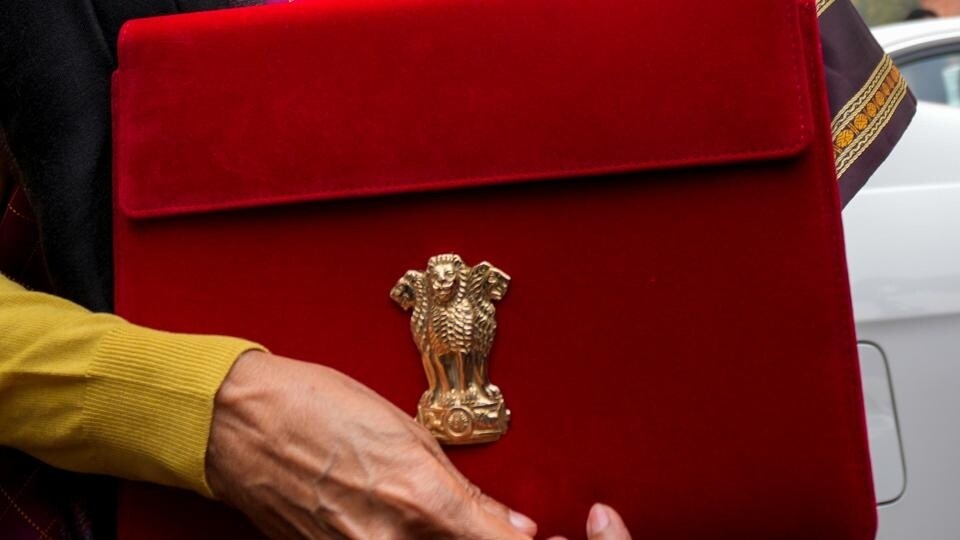
Union Budget 2026-27 marks a pivotal moment for India's trade and cross-border commerce ecosystem. It places trade facilitation at the heart of the export strategy and introduces transformative, technology-driven reforms that tackle long-standing barriers in customs, logistics, and e-commerce exports. Key measures include the complete removal of the ₹10 lakh value cap on courier exports, simplified procedures for handling rejected or returned consignments, setting a definite timeline for the rollout of the Customs Integrated System (CIS), single-window clearances, operator-centric warehousing, and enhanced duty deferral options. These are aligned with the National Trade Facilitation Action Plan (NTFAP, 3.0, 2024-2027). Together, the policy priorities are on reducing logistics costs and boosting competitiveness.
The NTFAP (3.0) and the Budget announcements are closely aligned with the recommendations emerging from the two Asia Pacific E-commerce Policy Summits held in March 2024 and on November 3–4, 2025, in New Delhi. These events highlighted India’s potential to achieve the $2 trillion export target by 2030, with e-commerce positioned as a central driver of economic development and trade expansion. A UNESCAP study projected the APAC e-commerce market to grow from $2.9 trillion in 2022 to $6.146 trillion by 2030, with online purchases accounting for 19.4% of total purchases in 2023.
Summit participants called for an enabling regulatory framework and deeper partnerships with private players to integrate SMEs into global value chains. They underscored that India’s current regime is already “WTO Trade Facilitation Agreement plus,” and argued that it is now time for the country to move forward toward cross-border paperless trade. The policy summits brought together senior policymakers, trade experts, industry representatives, multilateral agencies, and dignitaries from over 12 countries across APAC, alongside key Indian institutions such as the ministry of commerce, the ministry of external affairs, CBIC, and NITI Aayog, among others.
There is no comparable APAC platform to deliberate on digital trade, e-commerce, digital inclusion, and paperless trade, now central to trade agreements across the region. India’s recent trade pacts reflect its leadership in trade digitisation, and as it deepens integration into global value chains, an annual APAC convening to share experiences is increasingly vital. India is uniquely positioned to host such a summit each year.
Across both summits, stakeholders stressed that India’s export ambitions hinge on strong physical and digital infrastructure, regulatory agility, and inclusive platforms. They called for a shift in regulatory mindset, deeper private-sector collaboration, digitised customs and logistics, secure payments, robust returns systems, and lower barriers for small sellers. The budget’s clear alignment with these priorities is testimony to how sustained, evidence-based research and multi-stakeholder partnerships can shape national policy at scale.
The budget presents clear timelines for single-window approvals by year-end and the CIS within two years, advancing a “one border, one system” approach. With high-interdiction categories nearly 70% of interdicted cargo moving onto CIS by 2026, these reforms will cut clearance times, improve reliability, enhance resilience, and support interoperability. In parallel, operator-led warehousing based on self-declarations, electronic tracking, and risk-based audits will reduce delays and costs, while expanded deferred duty payments for trusted traders improve exporter liquidity. Building on platforms like SWIFT, ICEGATE, and e-SANCHIT beyond WTO TFA commitments, these measures position India as a leader in paperless trade, some of these can be showcased across APAC. More government-to-government collaborations are now needed to drive these best practices across countries.
To accelerate paperless trade, India can prioritize accession to the UN CPTA, a platform for collaboration, while closing any remaining legal and technical gaps through investments in interoperability standards, blockchain for secure data exchanges, and MSME capacity-building. This would build upon the existing partnerships, providing India enough flexibility to implement reforms at its own space, an avenue to showcase its efforts and offer capacity building, pilot some initiatives in AI and other technology for facilitating cross-border trade, help to build collaborations across customs and trade clearance agencies.
In trade, all trade partners should be paperless to benefit from reduction in trade costs and time. With paperless trade, MSME participation in global value chains would rise for better economic inclusion; paper usage would decline for environmental gains; and trust in digital transactions would grow among consumers and businesses, ultimately lifting export volumes, job creation, and regional integration.
These are not just procedural tweaks. They shape India's future in cross-border commerce. The opportunity is historic, and the moment to lead has arrived.
This article is authored by Arpita Mukherjee, professor, Indian Council for Research on International Economic Relations (ICRIER) and Arnab Ghosh, associate vice president, Public Affairs, MSL.


