
 E-Paper



The blue revolution in India
This paper is authored by Raya Das, Sanchit Gupta and Ashok Gulati, ICRIER, New Delhi.

 Prefer HTon Google


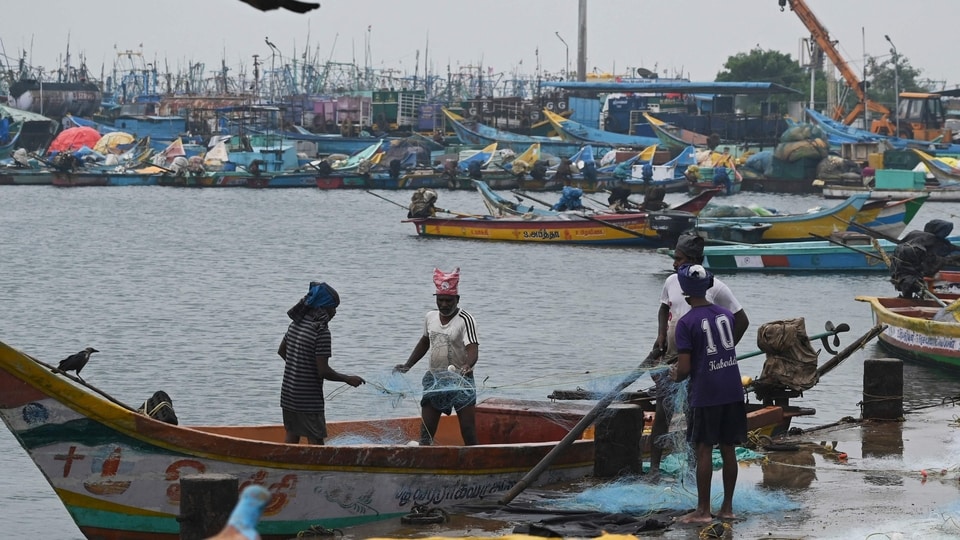
India’s agriculture and allied sector grew at an average annual rate of 4.6% in gross value added (GVA) terms from Financial Year 2010-11 (FY11) to FY23. Interestingly, during this period, fisheries and aquaculture witnessed a much faster growth of 8.2% while cereals increased by just 3% annually in terms of gross value of output (GVO). The rapid growth in inland fisheries and the increasing global demand for Indian fisheries position this sector as a key contributor to enhancing farmers’ incomes. This policy brief examines the key drivers of inland fisheries expansion in India over the last four decades and assesses its potential to strengthen rural livelihoods by diversifying income sources. Rising incomes, technological advances in seed production, strategic government support through initiatives like Pradhan Mantri Matsya Sampada Yojana (PMMSY), and export growth, particularly of Litopenaeus Vannamei (L. Vannamei) shrimps, have driven the growth of India’s fisheries sector, showing a significant positive impact on GVA. It also highlights some of the challenges this sector faces, especially in terms of environmental issues, access to finance, and risk coverage. But overall, the research evidence shows significantly higher profitability of aquaculture—especially shrimp farming—compared to crop agriculture. Thus, this sector has a potential to play a transformative role in promoting inclusive and sustainable rural growth in India.
This paper can be accessed here.
This paper is authored by Raya Das, Sanchit Gupta and Ashok Gulati, ICRIER, New Delhi.


