
 E-Paper



When even a president isn’t safe on the street
This article is authored by Elsa-Marie D’Silva, founder, Red Dot Foundation, creator, Safecity, and Rotary Peace Fellow.

 Prefer HTon Google


When Claudia Sheinbaum, Mexico’s first female president, was groped in public last month during a walk through Mexico City, the world gasped. A man approached her from behind, wrapped his arm around her, touched her chest, and tried to kiss her. Her security detail intervened; he was arrested. The video went viral, prompting outrage across Mexico and beyond.
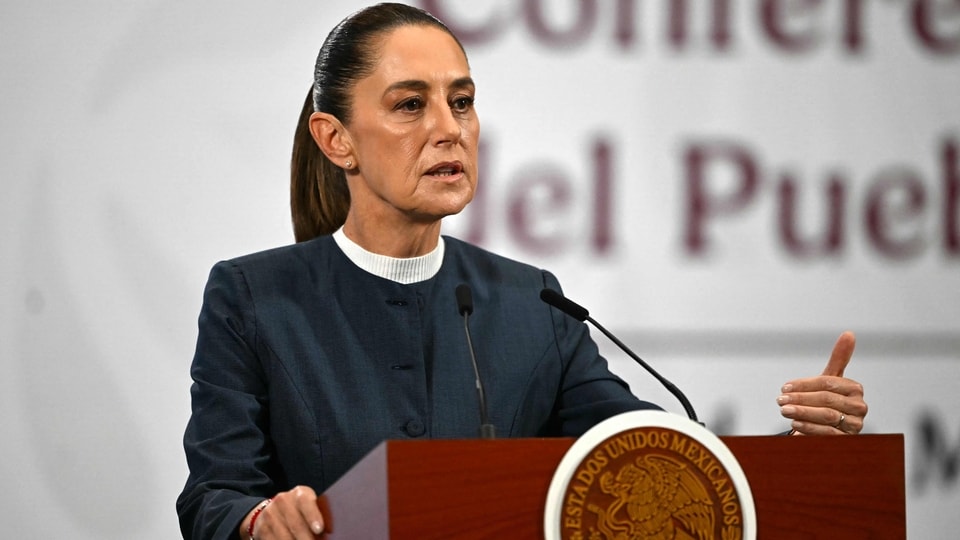
Sheinbaum’s own response was painfully direct: “If this can happen to the president, what can we expect for all the young women in our country?”
That question should haunt every one of us because the truth is, what happened to President Sheinbaum happens to women and girls every single day. The only difference is that when it happens to us, there are no cameras, no bodyguards, and too often, no justice.
Street harassment - unwanted touching, catcalls, stalking, flashing - is so normalised that many societies treat it as a minor nuisance. But it is a violation of bodily autonomy and citizenship. It tells women they do not belong fully in public life.
The data are stark. According to UN Women, one in three women worldwide experiences physical or sexual violence in her lifetime, and 65% of women globally have faced street harassment at least once. In the US, 81% of women report experiencing sexual harassment or assault in public. In India, a 2023 survey by ActionAid found that 79% of women have faced harassment in public spaces. In Mexico, nearly nine out of ten women say they feel unsafe walking alone at night.
According to the Red Dot Foundation’s Safecity platform, over 100,000 anonymous incidents of sexual and gender-based violence across India and beyond were reported. These stories map a global pattern of impunity --markets where men grope women, buses where commuters whisper slurs, streets women cross faster after dark.
Sheinbaum’s experience exposes a truth every woman knows: Power, status, or visibility does not insulate us from harassment. If anything, it reveals the arrogance of those who believe a woman’s body is public property, even when that woman leads a nation.
Some dismiss such incidents as isolated or blame alcohol. But these “exceptions” are the rule. Every day, millions of women and girls are groped, harassed, and silenced. They change their routes, their clothing, their voices, performing constant risk calculations that men rarely need to consider.
If we truly want equality, we must reclaim public spaces for women. That means treating street harassment as a serious offence, not an inconvenience. It means training police to respond with empathy, not disbelief. It means redesigning cities, with lighting, mixed-use streets, reliable public transport, and safe toilets, so that safety is built in, not added on.
And it means investing in data. Governments can’t fix what they don’t measure. Tools like Safecity show how anonymised, citizen-generated data can illuminate hidden patterns of abuse, helping police, city officials, and communities co-create safer environments.
In cities like Faridabad and Chennai, Safecity platform’s data has helped police and local governments identify unsafe hotspots, redesign patrol routes, and make public transport safer. These aren’t isolated fixes; they are signs that when a woman’s lived experiences shape urban design and policing, entire communities become safer.
We are not alone in this effort. UN Women’s Safe Cities and Safe Public Spaces initiative has supported transformative work in Mexico City and Puebla, where campaigns, gender-sensitive transport services, and improved street lighting have reduced harassment and increased women’s sense of safety. In Nairobi, local partnerships have installed solar-powered lights in informal settlements and trained women to engage in participatory urban planning. Each initiative reminds us that collaboration among citizens, governments, and the private sector is the real game-changer.
President Sheinbaum did something many survivors cannot--she filed a complaint. In doing so, she modelled accountability, turning personal violation into public courage. But one leader’s resolve is not enough. The rest of us, governments, tech platforms, media, and citizens - must build systems that make safety the norm, not the exception.
As the world marks the 16 Days of Activism to End Gender-Based Violence, orange banners and messages fill streets, metros, and churches. When even a president is not safe on her own streets, democracy itself is wounded. Public space is a measure of equality; if women cannot walk freely, speak openly, or exist safely, then freedom is incomplete.
Street harassment is not just about gender, it is about power, control, and who gets to occupy the commons. Ending it will require not just stronger laws but cultural transformation - one city, one street, one mindset at a time.
So, the next time you see harassment in public, intervene, report, and refuse to look away. Because when we normalise disrespect, we normalise danger. And when we defend every woman’s right to safety, we strengthen the dignity of all.
This article is authored by Elsa-Marie D’Silva, founder, Red Dot Foundation, creator, Safecity, and Rotary Peace Fellow.


