
 E-Paper



When women play, India plays
This article is authored by Upma Kanswa Jain, head, marketing & communications, Sportz Village.

 Prefer HTon Google


A few months ago, at a school playground a trainer there shared something he had noticed.
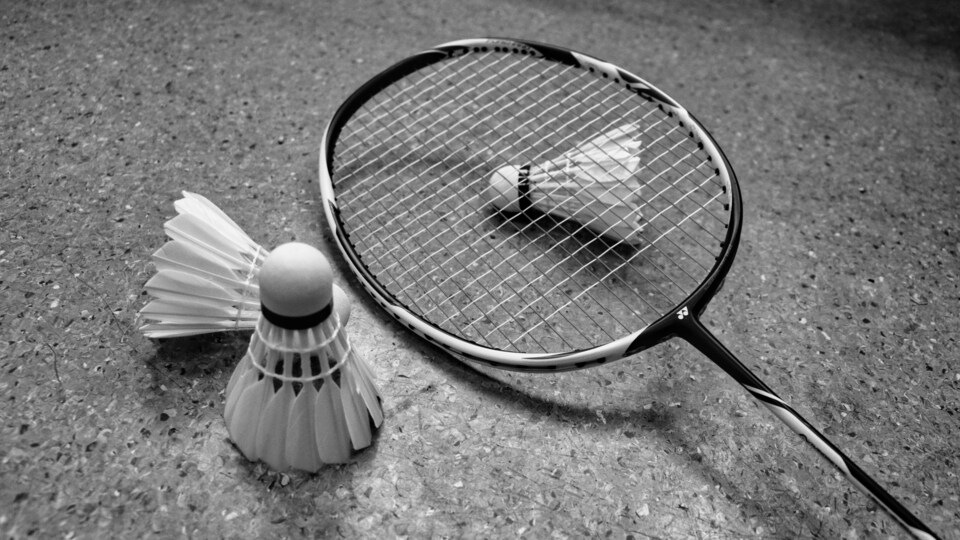
One afternoon, while children were finishing their session, he casually handed a badminton racquet to a mother who was waiting by the sidelines. She resisted at first, laughing, slightly embarrassed, insisting she hadn’t played in years. But she tried. The rally was short and uneven. The next week she returned in sneakers. A few weeks later, she mentioned she had taken membership at a nearby sports arena.
It was a small shift. But not an insignificant one.
A version of this has been seen in CSR-supported programmes in government schools. In one such school, they began identifying girls with exceptional promise, girls who could move into an after-school sports excellence pathway. Yet hesitation followed. Families were unsure about extended hours, safety, and what such ambition might mean. Trainers spent time meeting parents, listening, explaining, building trust. When one of the girls went on to succeed at the district level, perceptions began to change. Her progress quietly expanded what other families believed was possible for their daughters.
These are small scenes. But they linger.
On the eve of Women’s Day, we will rightly celebrate achievement and progress. But there is another, quieter idea worth reflecting on: What happens when women, particularly mothers, experience play not as memory, but as something present and recurring in their lives.
In many Indian homes, mothers shape the texture of everyday living. They may not always articulate the rules, but they influence them. They decide what fits into a week and what quietly falls away. They determine whether evenings default to screens, tuition, errands, or occasionally to a park.
Over time, play slips from the list. No one declares that they cannot play. It is simply that there is always something more urgent. For many women, sustained play was already interrupted early - by expectations around safety, propriety, academics, responsibility. Adulthood rarely restores it. Movement becomes functional, purposeful, rarely just joyful.
But when a mother plays regularly, something subtle shifts within the household. Play stops appearing as an optional extra for children and begins to feel like a natural part of life. Children notice more than we assume. They notice whether their mother always waits on the bench or occasionally steps onto the court. They register whether sport belongs only to the young, or to men - or to everyone. Daughters absorb what ease in movement looks like. Sons internalise what inclusive participation looks like.
In conversations about India’s declining physical activity and growing lifestyle concerns, we often focus on infrastructure, curriculum, competitive pathways, policy influence and so on. These matter, and greatly so. But culture is shaped far more intimately--in the daily choreography of family life. If play has been absent from a woman’s own experience, it becomes harder to prioritise consistently for others. If it has been joyful and ongoing, prioritising it feels less like advocacy and more like instinct - in schools, communities and homes.
This Women’s Day, perhaps the question is not only how we celebrate women’s accomplishments, but whether we are attentive to their relationship with play. Not as a symbolic gesture once a year, but as a lived rhythm. Because when women play, they expand the definition of who gets to move, who gets to occupy space, and who gets to experience joy without justification.
If we want India to play more, if we want children to grow up more active, and even dream of more laurels, perhaps we must first make room for women to play.
This article is authored by Upma Kanswa Jain, head, marketing & communications, Sportz Village.


