
 E-Paper



Citizens’ struggle to uphold the right to fly the national flag: Naveen Jindal and the Indian flag
This article is authored by C Raj Kumar, Rhodes Scholar and founding vice chancellor, OP Jindal Global University, Sonipat.

 Prefer HTon Google


Today, January 23, is an important milestone in the legal and constitutional history of India. Twenty-two years ago, on this day, the Supreme Court of India, in the case Union of India versus Naveen Jindal, upheld that the right to fly the national flag is a fundamental right under the freedom of speech and expression guaranteed by the Constitution of India. The year 2025 also marks two other milestones. First, it is the 30th anniversary of the Delhi High Court’s judgement, which essentially recognised citizens’ right to fly the national flag all year round, eclipsing the earlier restrictions. Second, this particular year marks the 20th anniversary of the amendment to the Prevention of Insults to National Honour Act, 1971, which permitted the respectful display of the national flag on clothing and apparel.
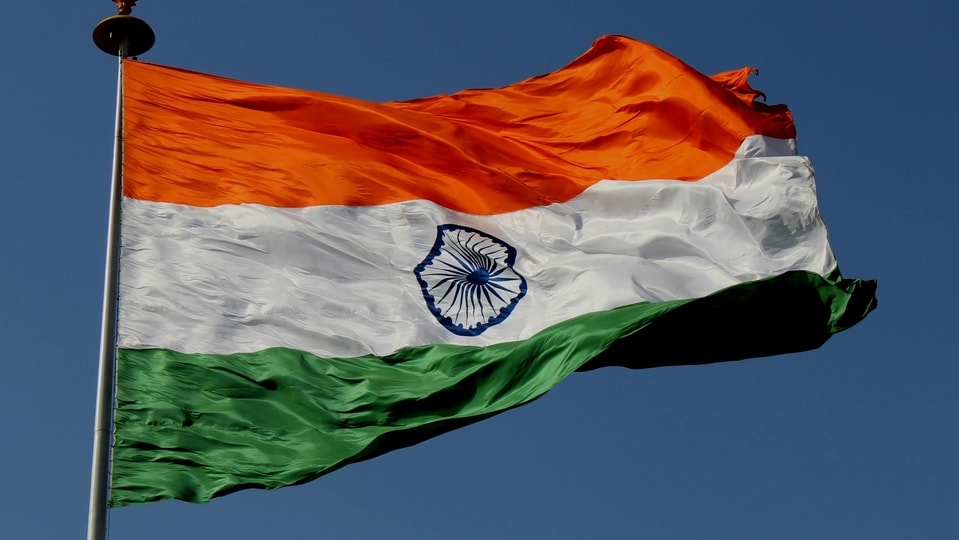
In their cumulativeness, the judicial pronouncements and the legislative amendment make January 23, 2026 a special occasion for the nation. Hence, this is an opportune moment to recount the tale of the citizens’ right to fly the national flag.
This is the tale of the perseverance of Naveen Jindal—a patriot, a parliamentarian, industrialist, and philanthropist. There are five reasons why I consider this tale should become part of the national memory and discourse on democratic rights of citizens.
Civic consciousness and enlightened citizenship: The fight for the right to fly the national flag was an effort to build civic consciousness among Indians so that they commit themselves to the values of constitutionalism, rule of law, and enlightened citizenship. When citizens are empowered to fly the national flag, it creates a deeper sense of civic consciousness. However, the display of the national flag is not just a symbolic gesture; rather, it is a reminder of the nation’s struggle for freedom and a gesture to abide by the rule of law and be responsible to the nation. Assertion of the right to fly the national flag was also a promise that there would be a correlative union of rights and duties in the citizens’ consciousness. It is this sublime promise made before the Court, and the subsequent judicial approval of it, that makes the Naveen Jindal case a significant moment in the constitutional history of India.
National flag as a means to relay nationalistic emotion: Prior to Naveen Jindal, the citizen was alienated from the national flag through certain executive and legislative actions post-Independence. The right to fly the flag was restricted only to chosen days by the government. Although the restricted use had helped in galvanising social consciousness during public events and chosen days, there was a limitation on the free expression of sentiments towards the nation through the flag. Removal of restrictions and granting the right to respectfully fly the national flag recognised the citizen’s right to express their nationalistic sentiments freely, yet respectfully, through the national flag on all days of the year. The decision has reunited the citizen with the flag and the nation, forming a bond that is powerful and profound.
Being rights-conscious: Naveen Jindal’s struggle is a tale of determination, the power of a young citizen’s effort and his faith in democratic institutions. It is quite remarkable that when 23-year-old Naveen Jindal was asked to remove the national flag after he displayed it during the Republic Day function in his factory premises, he stood resolute in the face of that governmental order. He strongly believed that his moral convictions and the constitutional right to fly the national flag transcended the limitations imposed by government orders.
He patiently submitted himself to the judicial process, thanks to his rule of law consciousness. A governmental appeal against the favourable decision by the High Court of Delhi did not affect his faith in the judicial process. He stood firm in his position and convictions, in complete submission to the rule of law, until the Supreme Court upheld the decision of the High Court of Delhi. Naveen Jindal is an exemplar for the youth—his rights consciousness, faith in the rule of law and public institutions, and his patience and perseverance are worthy of emulation.
Imaginative judiciary and resilient democracy: It was entirely possible that when the State and its instrumentalities resisted this idea of Naveen Jindal to fly the national flag, the courts could have bowed down to that argument. On the other hand, the Delhi High Court and the Supreme Court of India simply were not persuaded by the limitations imposed by the government when it came to exercising this right. In fact, not only did the Delhi High Court first recognise the right of ordinary Indians to fly the national flag all year round, but when the matter reached the Supreme Court, it saw it as an opportunity to understand and further interpret the constitutional right to freedom of speech and expression as a reflection of the right of ordinary Indians to fly the national flag.
The courts displayed the potential of democratic institutions by taking cognisance of citizens’ aspirations and, in that process, restraining government authority and the power to decide what ought to be the law. In the aftermath of the judgements, rising to the occasion, Parliament amended the Prevention of Insults to National Honour Act, 1971, demonstrating that inter-institutional dialogue among constitutional institutions, including the courts and Parliament, is absolutely critical for democracy to function effectively. The Flag case is a case in point of an imaginative judiciary laying down a much-deserved right and a resilient legislature reinforcing it and creating a new social reality.
Taking the people’s flag to the people: Through Naveen Jindal, the nation returned the flag to its people, to whom it originally belonged. The Indian freedom struggle and the deliberations in the Constituent Assembly evidence that original ownership. Indeed, the Court vested the rights in the people. But did they add new meaning to their lives and the nation?
After the verdict, Naveen Jindal, along with his spouse, Shallu Jindal, established the Flag Foundation of India, an NGO to promote awareness about the National flag and to help citizens internalise the idea of the Indian National flag. They took the initiative to install two hundred monumental flags across the country, relaying the message that the Flag is not just a physical structure or embodiment of nationalism; they are also essential opportunities for civic engagement, where the citizen is connected with the state.
This story of the national flag, and the role of Naveen Jindal in it, informs the potential of the Indian youth in being the makers of their own reality and destiny. At the same time, this story is an opportunity to appreciate the strength of our democratic institutions and the need for engaging as responsible members of civil society. On January 23, 2004, when Naveen Jindal returned to ordinary Indians the right to fly the national flag, he connected the present evolution of Indian democracy to the future aspirations of our governance and to the historical past from where it all started. The nation will remember his contributions for many years to come—they should become part of the Indian story.
This article is authored by C Raj Kumar, Rhodes Scholar and founding vice chancellor, OP Jindal Global University, Sonipat.


