
 E-Paper



India-Maldives imbroglio: Fallout on tourism in Lakshwadeep
This article is authored by Aparajitha Nair, journalist, Hindustan Times.

 Prefer HTon Google


A diplomatic storm has gathered force between India and the Maldives. What began as a seemingly innocuous promotion of Indian tourism in Lakshadweep, a chain of islands near its southern coast, has unexpectedly sparked a war of words, impacting the very industry it sought to bolster.
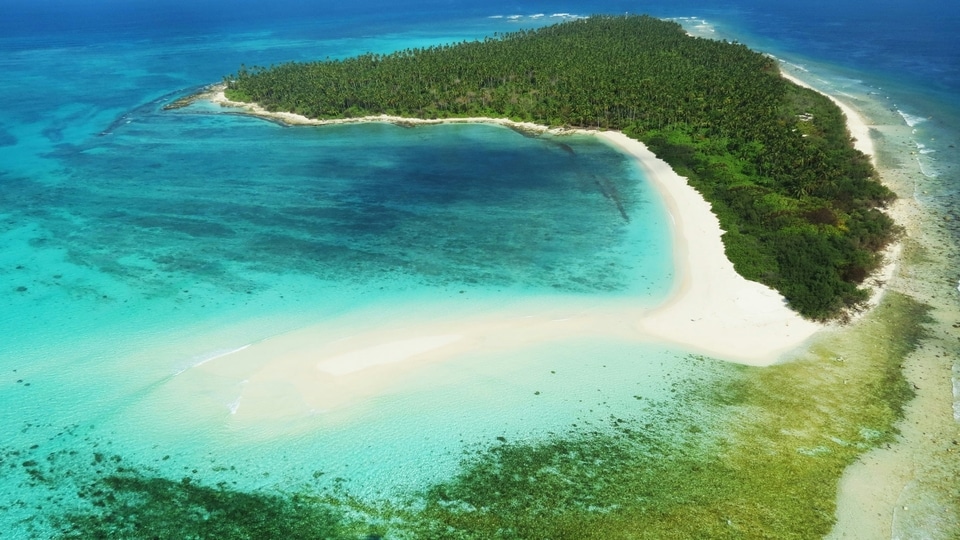
India and the Maldives have traditionally enjoyed warm relations, built on historical ties, cultural and commercial exchanges, and strategic security cooperation. However, the veneer of cordiality began to crack with the election of the President of the Maldives, Mohamed Muizzu in 2023, who signalled a potential shift in diplomatic focus, leaning towards China. This undercurrent surfaced on January 5, 2024, when Indian Prime Minister (PM), Narendra Modi's idyllic vacation photos from Lakshadweep ignited unexpected fury in the Maldives.
Several Maldivian officials, including deputy ministers, responded with disparaging remarks on social media, questioning the intent behind PM’s visit and accusing India of attempting to rival Maldivian tourism. These comments fuelled outrage in India, leading to calls for boycott of the Maldives and promotion of domestic tourism in Lakshadweep.
This online battle of hashtags, #VisitMaldives and #ExploreLakshadweep, masks deeper geopolitical concerns. The Maldivian government's apparent tilt towards China and concerns over increasing Chinese presence in the Indian Ocean have undoubtedly played a role in escalating tensions. India, meanwhile, perceives the remarks on Lakshadweep as a challenge to its sovereignty and maritime interests.
With its breathtaking coral reefs, vibrant marine life, and untouched beaches, Lakshadweep has long been touted as a potential rival to the Maldives. However, it has remained relatively underdeveloped compared to its Maldivian counterpart. The recent events have thrust Lakshadweep into the spotlight, bringing both opportunities and challenges for its tourism industry.
In the immediate aftermath of the controversy, Lakshadweep witnessed a surge in online searches and inquiries, fuelled by patriotic sentiment and renewed curiosity about the islands. Online travel portals reported a significant increase in booking interest, indicating a potential upswing in domestic tourism.
However, this surge comes with a cloud of uncertainty. The volatile diplomatic climate between India and the Maldives may deter international tourists who perceive the region as unstable. Additionally, the negative publicity surrounding the dispute could damage Lakshadweep's image as a peaceful destination.
Navigating this turbulent situation requires a multi-pronged approach. De-escalating diplomatic tensions through dialogue and cooperation is crucial to ensuring regional stability and fostering an environment conducive to tourism. Both India and the Maldives must prioritise constructive engagement, addressing each other's concerns with mutual respect and understanding.
For Lakshadweep, this necessitates strategic development of its tourism industry. Sustainable infrastructure, responsible tourism practises, and preserving the islands' unique cultural heritage are key to creating a truly compelling destination. Investment in eco-tourism and responsible travel initiatives can further differentiate Lakshadweep from its competitors.
Furthermore, effectively highlighting its natural beauty to the international community will be vital in attracting foreign tourists. Showcasing its cultural heritage, unique traditions, and diverse marine life can help establish Lakshadweep as a unique tourist destination on its own merit, independent of comparisons with the Maldives.
Ultimately, the India-Maldives tussle presents an opportunity for both nations to move beyond the tourism rivalry narrative. Recognising the interconnectedness of their ecosystems, economies, and security concerns can pave the way for collaborative endeavours in marine conservation, sustainable tourism development, and regional security cooperation. This shift in perspective can potentially transform the current discord into a catalyst for shared prosperity and regional stability.
The recent India-Maldives tussle has undoubtedly cast a shadow over Lakshadweep's tourism aspirations. However, amidst the diplomatic turbulence lies an opportunity for introspection and strategic development. By prioritising diplomacy, responsible tourism practises, and highlighting its unique strengths, Lakshadweep can navigate this volatile situation and emerge as an attractive destination in its own right, fostering tourism growth while contributing to regional harmony. It is ultimately through collaboration and mutual respect that both nations can harness the true potential of the Indian Ocean.
This article is authored by Aparajitha Nair, journalist, Hindustan Times.


