
 E-Paper



Towards Universal Access to Clean Cooking Fuels and Technologies
The study has been authored by Manjushree Banerjee

 Prefer HTon Google


I n 2015, the United Nations (UN) General Assembly adopted a set of 17 interlinked Sustainable Development Goals (SDGs), aiming to bring peace and prosperity to all people by 2030. Among the agenda is universal access to energy. SDG 7, in particular, aims to “ensure access to affordable, reliable, sustainable and modern energy for all” by 2030. (The goal is further sub-divided into three targets, of which the first reiterates the overall aim, while the other two deal with encouraging the use of renewable sources of energy). Indicators have also been created to measure advancement towards targets: Indicator 7.1.2 looks at the “proportion of population with primary reliance on clean fuels and technology”—this is the focus of this brief. According to SDG Tracking Report 2021, about 2.6 billion people in the world lack access to clean cooking fuels and technologies. It notes that global access to clean fuels increased by just one percentage point annually between 2010 and 2019, and that at this pace, only 72% of the population will have access to such fuels and technologies by 2030. To achieve the target of universal access, the rate of increase needs to be more than three percentage points per year. To be sure, there are certain countries that have shown encouraging results in moving towards this target. This brief explores the variations in access across the globe through different lenses – those of policy, economics, and social behaviour. It offers specific recommendations on increasing access.
This analysis studies 189 countries for which data is available for the past 20 years. The countries have been segregated into 10 equal class intervals based on the percentage share of their populations with access to clean fuels and technologies (see Figure 1). In a majority of these countries (88 out of 189), more than 90% of the population have access to clean cooking fuels and technologies. However, there are 30 countries with less than 10% of their population having such access.
The countries where less than 10% of the population have access to clean cooking fuels and technologies are mostly in sub-Saharan Africa. As of 2018, there were more than 900 million people in this region without access. The countries where the population with access varies between 10 and 50% are also mostly in sub-Saharan Africa, though there are also some such countries in South Asia, and East Asia and the Pacific.
In 17 of the 30 countries where access rates are below 10%, the population share with access increased by barely one per cent, or less, between 2000 and 2016. At the same time, the number of countries where more than 90% of the population today do have access has increased from 58 in 2000 to 88 in 2016. Sound government policy has played a key role in the countries that have made the most progress.
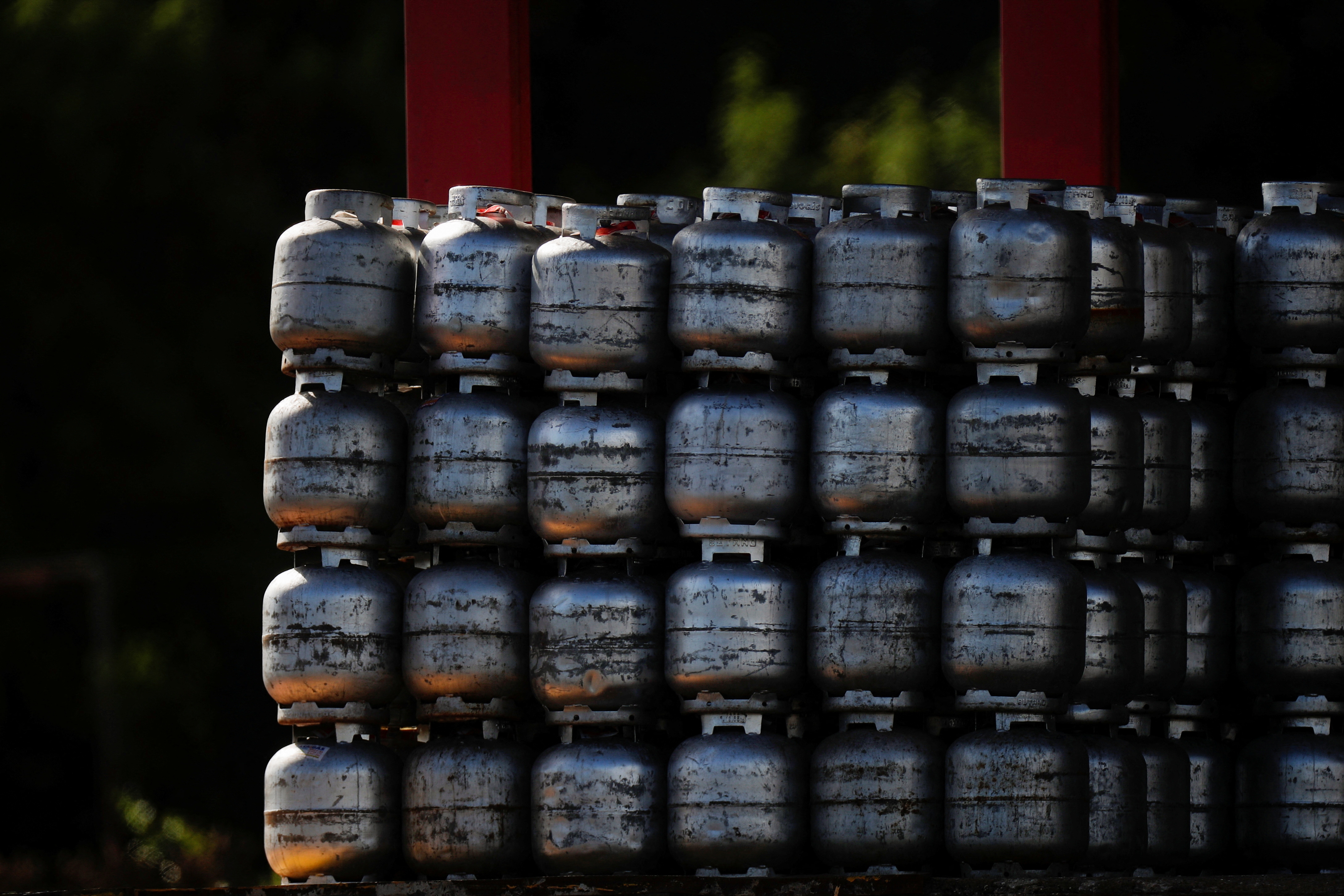
For example, in Indonesia, the access rate has risen by more than 8% between 2012 and 2014 due to the government-supported Indonesian Kerosene to Liquefied Petroleum Gas (LPG) Conversion programme that saw 56 million households and micro-businesses switching from kerosene to LPG use between 2007 and 2014. In June 2021, the UN held its first preparatory ministerial-level thematic forum on energy, followed by a high-level dialogue in September.
At both these events, various aspects of generation, transition, and access to clean energy were discussed by about 40 ministers and 300 speakers from different countries. It was found during discussions that the challenges for the least developed countries were far different from those of the high-income economies. In 43 countries, 80% or more of the population still lacked access to clean fuels and technologies, which made it essential to expedite access growth rates. It was also seen that these countries had shown little improvement in access patterns over the years.
The study can be accessed by clicking here
(The study has been authored by Manjushree Banerjee)


