
 E-Paper



US trade policy shift: Response to China’s resource dominance
This article is authored by Pravesh Kumar Gupta, associate fellow (Eurasia), Vivekananda International Foundation, New Delhi.

 Prefer HTon Google


In recent years, the dynamics of global trade and economic relationships have undergone significant transformations, particularly in the context of US-China relations. Donald Trump's administration introduced a notable shift in trade policy, reflecting growing concerns over international resource competition. This change marked a departure from past practices, focusing instead on trade as a means to strengthen the American economy in the face of emerging challenges. One of the most pivotal factors in this policy evolution was China’s increasing dominance over critical resources, leading to strategic decisions aimed at safeguarding US interests. President Donald Trump’s policy shift from aid to trade is significantly driven by China’s rapid acquisition of critical resources, although broader economic and strategic objectives also influenced it.
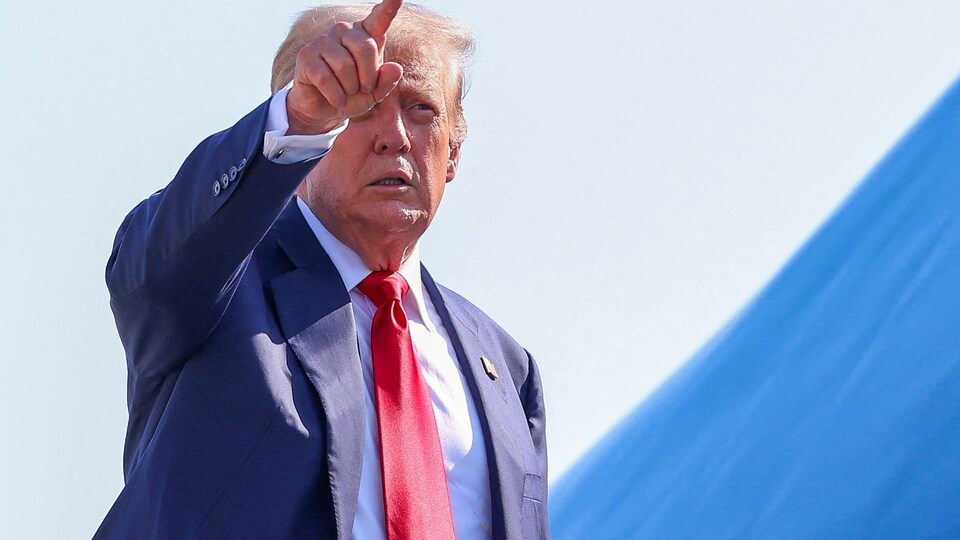
Trump’s presidency marked a notable pivot in US foreign and economic policy, moving away from providing financial aid to other countries and toward emphasising trade relationships. This America First approach prioritised economic exchanges—such as goods and services—over traditional development assistance, aiming to bolster US economic strength and security. China’s growing dominance over critical resources, particularly rare earth minerals, played a key role in shaping this shift. These resources are essential for industries like technology, defence, and manufacturing. For example, China controls a significant portion of global rare earth production, which includes elements vital for a wide range of applications, from smartphones to military equipment. This dominance raised alarms in the US about economic and national security vulnerabilities, as reliance on China for these materials could leave the US at a strategic disadvantage.
Trump’s administration viewed China’s resource control as a threat and responded by leveraging trade as a tool to counter it. The Trump administration’s key actions included tariffs on Chinese imports. Trump imposed tariffs on Chinese goods to pressure China into making concessions and to reduce US dependency on Chinese supply chains, including those tied to critical resources. He invoked wartime powers to expand US mineral production, aiming to lessen reliance on China and secure alternative supply chains.
The broader trade war with China, which intensified during his presidency, targeted not just trade imbalances but also China’s strategic advantages in resource-heavy sectors. These measures were designed to protect US interests by rebuilding domestic manufacturing and reducing vulnerability to China’s resource dominance. While China’s actions were a major driver, Trump’s shift from aid to trade wasn’t solely about China. His economic nationalism also focused on reducing trade deficits with multiple countries, not just China. Renegotiating trade deals with allies like Canada and Mexico (e.g., the USMCA). These efforts reflect a comprehensive strategy to prioritise US economic self-reliance and competitiveness, of which countering China was a critical component.
The Trump administration’s 2025 mineral deal with Ukraine establishes a joint investment fund to tap into the country’s $2–15 trillion in critical minerals, like lithium and rare earths, essential for AI, EVs, and defence tech. This agreement, a shift from demanding Ukraine repay $500 billion in US aid, grants the US 50% of future royalties from new mineral licences while supporting Kyiv’s economic recovery. In Africa, particularly in the DRC and Rwanda, the US is promoting peace and economic agreements to secure cobalt and coltan, two vital resources for batteries and electronics and aiming to stabilise conflict zones and enable American investment. These deals reflect Trump’s transactional approach, prioritising economic leverage over traditional aid, but face hurdles like Ukraine’s war-damaged infrastructure and the DRC’s ongoing violence, which deter private-sector commitment.
The deals aim to counter China’s dominance in critical mineral supply chains, reducing US reliance on Beijing for tech and green energy resources while challenging Russia’s influence in both regions. In Ukraine, the agreement aligns with Trump’s diplomacy to engage Moscow while securing economic benefits, though it risks exploiting Kyiv’s resources without firm security guarantees. In Africa, stabilising the DRC could unlock vast mineral wealth, but competition with China’s entrenched presence and local corruption complicates execution. Both initiatives signal a broader US strategy to reshape global supply chains and geopolitics, striking a balance between economic self-interest and regional stability; yet, their success hinges on maintaining peace and sustaining investment.
Finally, China's rapid takeover of critical resources, particularly rare earth minerals essential for high-tech industries, significantly influenced the shift in US trade policy during the Trump administration. In response to this challenge, Trump implemented trade policies such as tariffs, aimed at levelling the playing field against perceived unfair practices by China, as well as initiatives to boost domestic production and diversify supply chains away from Chinese reliance. This shift was rooted in economic nationalism, prioritising American manufacturing and job creation, while also addressing national security concerns tied to resource dependency. The focus on rare earth minerals highlighted the strategic implications of China’s dominance in the global supply of these resources, prompting efforts to reinforce domestic capabilities and establish partnerships with allies. Ultimately, the US approach to China during this period reflected a complex strategy aimed at safeguarding national interests while balancing immediate economic threats and long-term aspirations for a more resilient economy.
This article is authored by Pravesh Kumar Gupta, associate fellow (Eurasia), Vivekananda International Foundation, New Delhi.


