
 E-Paper



Counterfeit medicines in India: Need for stronger regulation
This article is authored by NK Ganguly, former director general, Indian Council of Medical Research.

 Prefer HTon Google


Counterfeit medicines remain a serious and persistent threat to public health, particularly in developing nations like India. These fake drugs not only fail to treat illnesses effectively but can lead to increased mortality rates, economic loss and out-of-pocket spending on medical treatment. At the same time, it must be recognised that counterfeiting is not unique to India, it is a global problem that challenges even the most advanced health care systems.
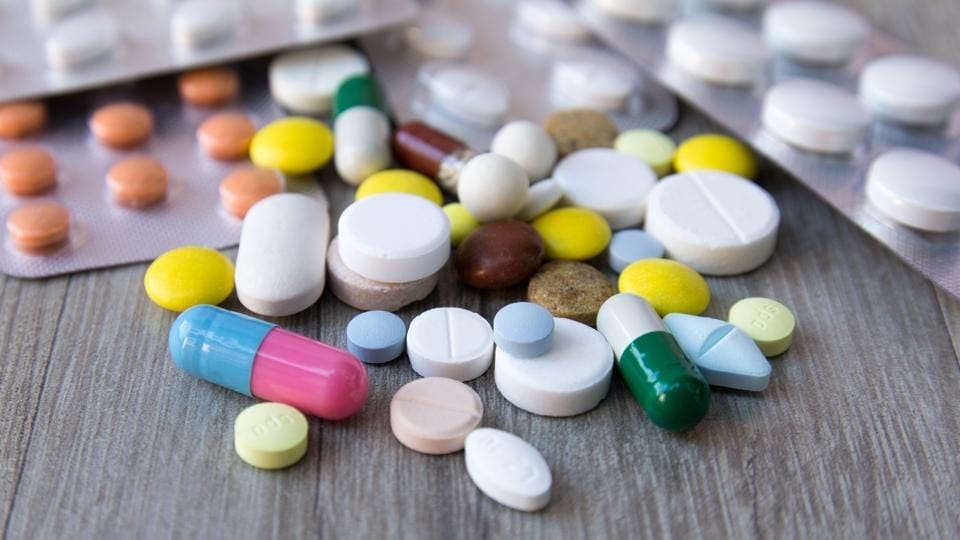
According to the World Health Organization (WHO), one of every ten medicines fails in low- and middle-income countries because they are substandard or falsified. Not only does this erode public trust in healthcare, but it also leads to preventable deaths. One of the major challenges in curbing counterfeit drugs lies in the very definition of the term. What qualifies as a counterfeit drug can vary across jurisdictions. In some cases, even minor alterations such as differences in packaging, composition, or labelling can classify a drug as counterfeit. This ambiguity makes it difficult to enforce laws consistently and allows counterfeiters to exploit regulatory loopholes.
The issue of counterfeit medicines has long been a challenge within the health care ecosystem because of the gaps in access to quality healthcare products, limited surveillance mechanisms and low consumer awareness. With packaging and labelling closely resembling genuine medications, these products are designed to deceive patients. These issues have resulted in creating opportunities for substandard and falsified drugs to enter the market. In recent years, the rapid expansion of online pharmacies, particularly those operating without appropriate oversight, has added a new layer of complexity. With some platforms functioning outside the jurisdiction of regulatory authorities, ensuring the authenticity and safety of medicines becomes increasingly difficult. The WHO has raised concerns about the safety of medications purchased online, estimating that about 50% of medications sold on the internet are from counterfeit websites.
Legitimate medicines must adhere to stringent scientific standards, including acceptable levels of impurities, water content, and validated pharmacokinetic (PK) and pharmacodynamic (PD) data. Counterfeit drugs, by contrast, often lack this rigour, rendering them ineffective or toxic. Substandard drugs can have incorrect dosages, harmful additives, or no active ingredients at all, compromising treatment outcomes and endangering lives.
The pharmaceutical industry in the country is now increasingly investing into advanced technologies. Beyond track-and-trace systems, barcoding, RFID and QR codes, new innovations such as blockchain, mobile-based authentication services, tamper-proof packaging and AI-enabled surveillance are also being deployed to minimise the menace. Holograms, on the other hand, are an effective anti-counterfeiting measure as they offer robust security features owing to the fact that they are challenging to replicate, and each one is unique which aids in visual verification and tamper detection. These sustained investments show that the industry is determined to ensure only safe and effective medicines reach patients.
Combating counterfeit drugs calls for a comprehensive, multi-layered approach. First, drug policies must be continually reinforced with robust regulations and improved coordination between agencies. Enforcement must also be strengthened beyond metropolitan centres, with a focus on Class B and C cities. This includes establishing more accredited testing laboratories, recruiting a greater number of inspectors, and conducting regular audits and sampling in high-risk regions. Importantly, all large-scale Level 1 (L1) government purchases should mandatorily include batch testing reports and PK/PD data before release into the supply chain.
At the legislative level, the framework must be further reinforced. Manufacturing spurious medicines should be treated as a criminal act with stringent penalties. Equally, pharmaceutical manufacturers who persistently produce substandard drugs must face punitive consequences — ranging from financial penalties to suspension of licences and disqualification from public tenders. These steps will ensure zero tolerance towards malpractice and strengthen trust in the system.
Public awareness, especially in rural and semi-urban areas, is essential to help consumers identify and avoid spurious medicines. A large-scale national education programme is needed so that people can play their part in protecting themselves. After all, regulators and industry can strengthen systems and introduce technologies, but consumers must also remain vigilant in ensuring they purchase medicines from trusted, authorised sources.
Given the global nature of the counterfeit trade, international collaboration is equally vital to trace and dismantle cross-border networks. Physicians also play a crucial role in raising awareness about this issue and taking proactive measures to protect patients from the dangers of fake medicines.
While significant steps were taken by the government in the early 2000s to strengthen the legal framework, the counterfeit drug threat continues to evolve. Sustained vigilance, technological innovation, and collaboration across sectors are crucial. Only through a united effort by regulators, manufacturers, healthcare professionals, and the public can we ensure that patients receive only safe, effective, and authentic medicines.
This article is authored by NK Ganguly, former director general, Indian Council of Medical Research.


