
 E-Paper



Precision oncology is revolutionising blood cancer care
This article is authored by Dr Amrit Kaur Kaler, consultant, molecular pathology, Kokilaben Dhirubhai Ambani Hospitals, Mumbai.

 Prefer HTon Google


For years, patients diagnosed with blood cancers like leukaemia, lymphoma, or multiple myeloma faced a daunting reality: Treatment often followed a “one-size-fits-all” approach, with harsh chemotherapy and uncertain outcomes. Today, thanks to precision oncology, that is changing. Doctors can now tailor treatment to the unique genetic makeup of each patient’s cancer, offering a new sense of hope—and, increasingly, longer, healthier lives.
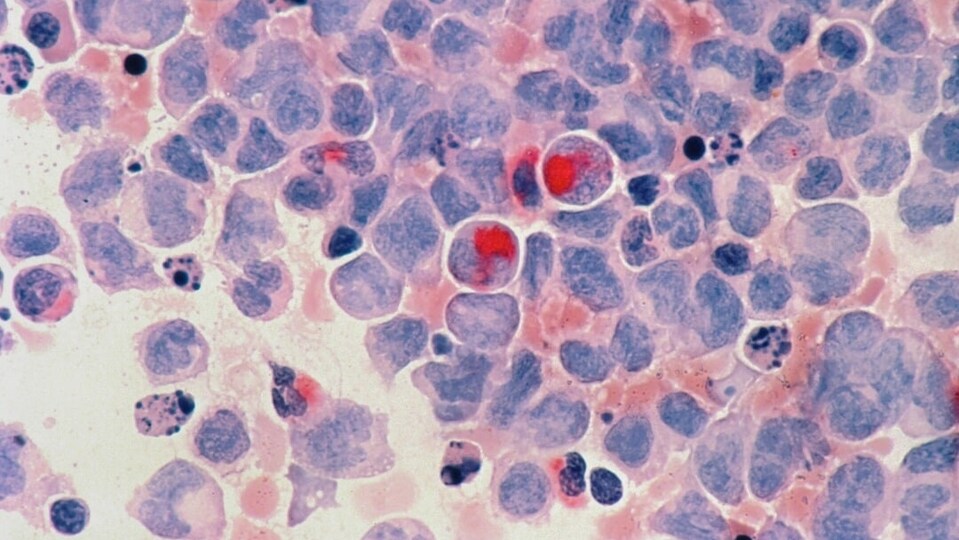
At the heart of this transformation is genomics. Every cancer is unique, and two patients with the same diagnosis under the microscope can have diseases that behave very differently at the molecular level.
Next-generation sequencing (NGS) allows doctors to examine hundreds of genes at once, uncovering mutations and other changes that drive the disease. This information helps refine diagnoses, predict prognosis, and guide therapy choices. Patients no longer rely on generalised treatment—they receive care designed specifically for their disease.
One of the clearest success stories is chronic myeloid leukaemia (CML). Scientists discovered the BCR-ABL1 gene abnormality, the molecular driver of the disease. This breakthrough led to tyrosine kinase inhibitors (TKIs), drugs that target cancer at its source. Patients who once faced a grim prognosis can now live with CML as a manageable chronic condition, returning to work, school, and family life with dramatically improved quality of life.
In acute myeloid leukemia (AML), precision oncology has transformed treatment by identifying actionable mutations in genes such as FLT3, IDH1/2, and NPM1. Targeted inhibitors now attack these molecular drivers directly, improving response rates, extending remissions, and increasing survival even in aggressive disease.
Similarly, in myeloproliferative neoplasms (MPNs), many patients carry the JAK2 mutation, which causes uncontrolled blood cell production, fatigue, enlarged spleen, and higher risk of blood clots. JAK2 inhibitors target this mutation specifically, reducing symptoms, controlling disease progression, and improving quality of life. By tailoring therapy to the patient’s molecular profile, doctors manage these chronic conditions far more effectively than with traditional approaches.
Precision oncology has also revolutionised immunotherapy. CAR-T therapy, which reprograms a patient’s own immune cells to attack cancer, has brought remarkable results for those whose disease had resisted conventional treatments. Emerging approaches like CAR-NK cells and bispecific antibodies expand these benefits, offering hope to even more patients.
Liquid biopsies and circulating tumor DNA (ctDNA) now allow doctors to monitor blood cancers in real time. These tools detect minimal residual disease (MRD) and emerging resistance mutations, enabling timely therapy adjustments. This non-invasive approach helps prevent relapses and supports more informed clinical decisions.
Genomic data also informs prognosis. Certain mutations signal aggressive disease, higher relapse risk, or poor treatment response, allowing doctors to personalise treatment intensity and follow-up care. Artificial Intelligence (AI) and machine learning further enhance this process, analysing complex data to predict treatment responses and identify new therapeutic targets.
AI and machine learning are increasingly integrated into precision oncology. These tools analyze complex genomic and clinical datasets to predict treatment responses, identify new therapeutic targets, and support clinical decision-making, enhancing the accuracy, efficiency, and personalisation of blood cancer care.
Kokilaben Dhirubhai Ambani Hospital has introduced the Myeloid Research Assay, a comprehensive in-house molecular panel analyzing 40 genes, 29 driver fusion panel for AML, MDS, MPN, CML, CMML, and JMML. By enabling faster and more precise diagnoses, the panel allows earlier access to targeted therapies tailored to each patient’s genetic profile, improving outcomes while reducing uncertainty and delays in care.
For patients and families, the message is clear: Blood cancer care is evolving rapidly, combining scientific breakthroughs with personalised strategies that make treatments smarter, safer, and more effective.
This article is authored by Dr Amrit Kaur Kaler, consultant, molecular pathology, Kokilaben Dhirubhai Ambani Hospitals, Mumbai.


