
 E-Paper



Understanding India’s spine health epidemic
This article is authored by by Dr. Abhishek Samuel, MS (Ortho) – Advisor, Orthopedic & Mobility Aids Division, Leeford Healthcare.

 Prefer HTon Google


For most of us, back pain can start as a mild ache after long hours at a desk or a sudden twinge while walking, but over time, it often progresses from a passing discomfort to a chronic, life-altering condition. According to the World Health Organisation, 619 million people were affected by lower back pain globally with projected to increase to 843 million by 2050. Studies estimate, nearly 60% of Indians suffer from lower back pain at some point in their life.
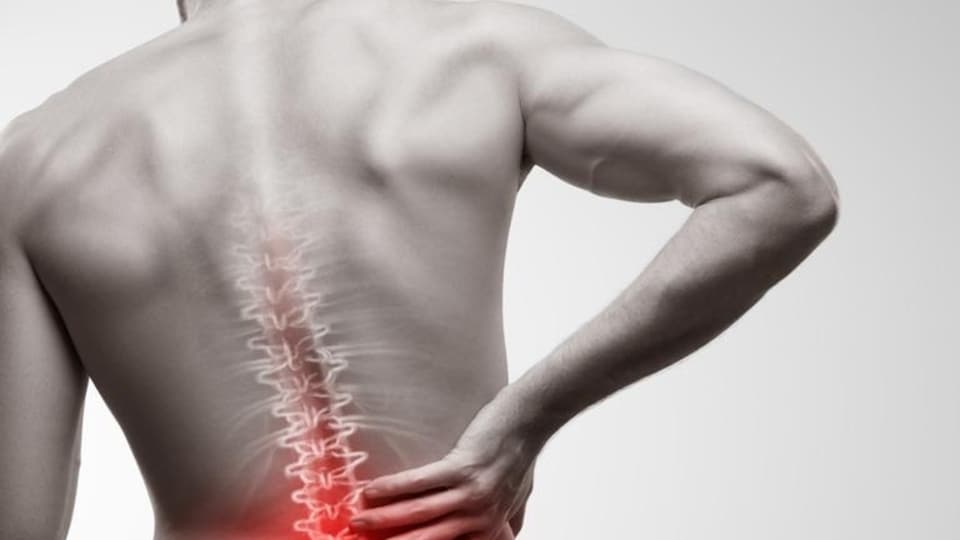
Yet, we tend to neglect one of the most important part of our bodies — the spine.
What’s worse, spinal pain doesn’t discriminate. It can sneak in your life unannounced anytime, irrespective of age, gender, profession etc. disrupting daily movement, productivity, sleep and in chronic cases even the ability to stay active or socialize. Alarmingly, more children and young adults are increasingly displaying postural deformities, vitamin deficiencies, and even degenerative spine changes.
But what’s causing this epidemic and is it so inexorable?
One of the main culprits behind chronic back and neck pain is the ‘posture crisis,’ driven by long hours spent sitting with eyes glued to laptops or TV screens. From IT hubs and call centers to classrooms, this issue spans all ages and professions in India. Reports reveal over 65% of office workers report back discomfort, and up to 80% of sedentary employees experience spine or joint pain during their careers. The effects go beyond the physical. Chronic stress and sustained tension in the neck and upper back amplify pain, creating a vicious mind–body cycle fueled by overwork, anxiety, and poor sleep that keeps most of us trapped in discomfort.
And this problem isn’t limited to metropolitan cities.
The spine crisis has been affecting rural India significantly, often in ways that remain unseen according to several published studies. In Gadchiroli, a community study across two villages conducted in 2021 found that 76% of adults experienced back pain during the 12 month period, with 70% reporting lower back pain specifically. In Maharashtra’s Raigad district, low back pain affected 4.9% and neck pain 2.9% of the rural population, while among tribal communities, the prevalence of low back pain nearly doubled to 10%. Even among nonworking rural housewives in Kanpur (aged 30–70), 83% reported low back pain in the past year, with over half experiencing severe disability.
Largely ignored, for many rural Indians, daily labor, carrying heavy loads, and the lack of ergonomic infrastructure place chronic stress on the spine. Activities such as fetching water or firewood, bending in the fields, squatting, or sitting on hard surfaces all contribute, while awareness and access to care are often limited by cost, transport, and scarce local health services.
Far beyond, rural challenges and sedentary urban lifestyles, even individuals who maintain a regular exercise routine are not entirely immune to spinal issues. While physical activity is essential for strengthening muscles, improving flexibility, and maintaining overall spinal health, the benefits can quickly be offset if exercises are performed incorrectly or without appropriate warm-up and cool down routines. Endurance athletes, weightlifters, and gym-goers are particularly vulnerable. Repetitive movements, heavy lifting, or high-impact activities can strain the lumbar spine and surrounding musculature. Inadequate warm-ups prevent muscles from reaching optimal elasticity and readiness, increasing the risk of microtears, ligament strain, or intervertebral disc stress. Similarly, skipping post-workout stretching or recovery routines can leave muscles tight and imbalanced, which over time contributes to chronic pain, postural deviations, and even degenerative changes in the spinal joints.
So what’s the real solution?
Undoubtedly, conscious lifestyle choices with consistency can take you a long way. Maintaining good posture while sitting or standing, incorporating short movement breaks throughout the day, and keeping the spine aligned during sleep can prevent long-term strain. Regular exercise, especially core and back strengthening routines, builds the muscle support the spine needs. Additionally, activities like yoga, swimming, or brisk walking are excellent for enhancing flexibility and posture.
However, largely misunderstood, non-invasive orthopedic solutions can play a crucial role in maintaining spinal health, particularly when integrated with physiotherapy and regular exercise. Supportive belts and wraps help stabilize the spine, reducing undue stress on the lumbar and cervical regions during daily activities or physical exertion. Cushions, specially designed for seating or sleeping, promote proper spinal alignment, alleviating pressure on intervertebral discs and preventing postural imbalances that can lead to chronic pain. Mobility aids, such as walking sticks or ergonomic supports, enhance functional independence by reducing strain on the spine and associated musculature, especially in individuals recovering from injury or managing degenerative conditions.
These tools not only complement therapeutic exercise by enabling safer, more controlled movement, but also serve as preventative measures that mitigate the risk of injury, facilitate rehabilitation, and support long-term spinal integrity. When combined with targeted physiotherapy routines, they help strengthen core and postural muscles, improve flexibility, and maintain the natural curvature of the spine—critical factors in preserving mobility and promoting active, independent living throughout life.
Whether you are a desk dweller, a fitness enthusiast or simply a homemaker, listening to your back is critical. By paying attention, and responding with mindful activities and supportive tools, you can lower your risk of becoming part of the silent spinal epidemic that is steadily emerging across India.
This article is authored by by Dr. Abhishek Samuel, MS (Ortho) – Advisor, Orthopedic & Mobility Aids Division, Leeford Healthcare.


