The ‘Kiss of Love’ protests, which have been taking place in several cities, have faced bitter criticism from both the Left and the Right. While the Left dubs it as a hollow response to repression that is alienating allies, the Right calls it a violation of India’s culture. But what seems to have been ignored is that this policing of sexuality and people’s bodies is also very western; right from Section 377 to India’s public morality laws, most such laws are rooted in the Victorian sense of morality.
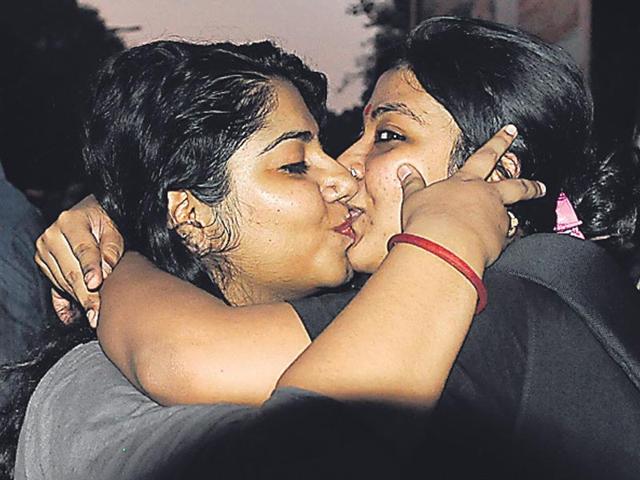
The language of abuse used against the couples in these protests is also telling. While many of my male friends were roughed up, expletives were reserved for women, the queer and the gender non-conforming. They were abused and the men were repeatedly asked if they would “let” their mothers/sisters/wives to kiss in public.
Their problem was not so much with the act of kissing but the fact that by this women’s sexuality is being unleashed and it can no longer be easily monitored or suppressed. This awareness of one’s body and one’s right to sexual expression are the cornerstone of what is known as ‘positive rights’. The protests signal that sexuality, which was neatly organised for centuries, is no longer up for regulation. That the custodians of morality would have a problem with this new development is understandable.
More insidious is the Left-wing criticism of the movement. Yes, the movement attracted students but it would be unfair to call the protests insular to the concerns of marginalised groups. There was a keen sense of kinship with those fighting for Dalit and queer rights and lots of students from smaller towns walked hand-in-hand with their more privileged counterparts. Moreover, to deride a movement for being driven by students is disingenuous since most socio-political movements have had an academic character — from Dalits to feminism to queer activism.
{{/usCountry}}More insidious is the Left-wing criticism of the movement. Yes, the movement attracted students but it would be unfair to call the protests insular to the concerns of marginalised groups. There was a keen sense of kinship with those fighting for Dalit and queer rights and lots of students from smaller towns walked hand-in-hand with their more privileged counterparts. Moreover, to deride a movement for being driven by students is disingenuous since most socio-political movements have had an academic character — from Dalits to feminism to queer activism.
{{/usCountry}}The second objection is that the movement is alienating allies uncomfortable with public displays of affection. While attracting allies is a critical part of any social movement, activism cannot be hijacked by it. Lots of people who’d never kiss in public attended the protests because they believed in the right to one’s body and sexuality without the fear of jail or bodily harm.
Movements need to be political — they need to be provocative and even confrontational, as long as there is a critical thing behind such provocations. Young people kissing in public may seem unnecessary to some but it has triggered a discussion on public perceptions of sexuality and physical expression, something that would never have happened without the provocation.
Ultimately though, these people are fighting not just for their right to kiss but for their right to live without moral policing, without custodians of culture or the State shaping their sexual lives, sexuality, social norms and living styles. Kissing here is a protest against those who perpetrate myths like love jihad to police community marriages and stymie those who dare break the diktat.