
 E-Paper



From bagels to bao: how the global breads have found a home in India
Jatan Kalra shares how India’s new-age bakers are kneading global traditions into local food stories.

 Prefer HTon Google


Once upon a time, “bread” in India meant pav, white bread, naan or roti. But today, our carb vocabulary has expanded far beyond the bakery aisle. From soft Japanese shokupan to tangy sourdough, chewy bagels, and pillowy bao, global breads have found faithful fans across the country. Whether it’s a café brunch in Delhi, a takeaway counter in Mumbai, or a bakery in Pune, these international loaves are baking up a new kind of food culture.
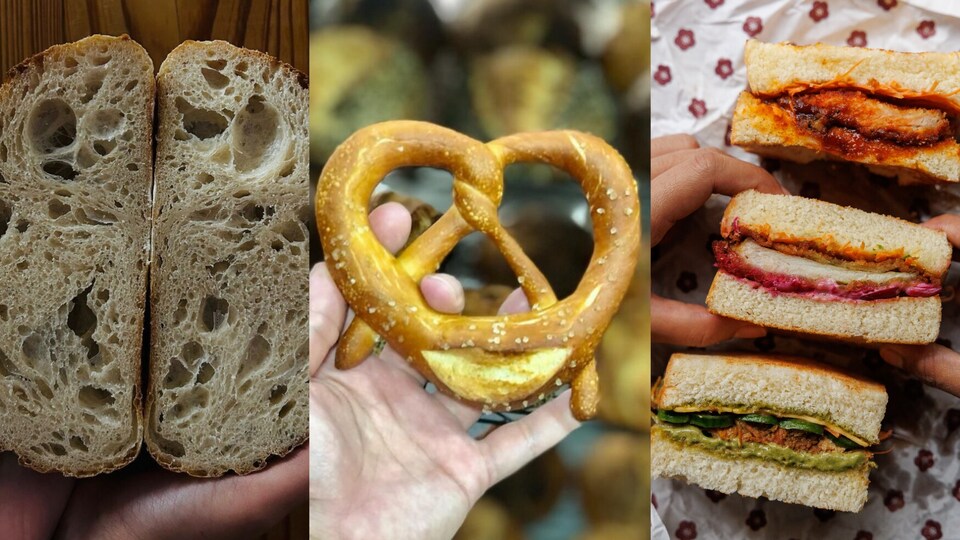
Five bakers and café founders share how they brought some of the world’s most beloved breads to Indian plates with a twist.
Classic bagels
Boiled, baked, and beloved, the bagel has travelled far from New York’s delis to Delhi’s café tables. At Delhi’s Bloom Café & Cakery, Parth Gupta turns the city’s breakfasts cosmopolitan with classic multigrain bagels that fly off the counter. “Introducing bagels wasn’t about spotting a market gap,” he says. “I believe that when you introduce something delicious and authentic, it creates its own market. Trends follow taste, not the other way around.”
At Bloom, the classic gets a twist: a bagel sandwich filled with sautéed mushrooms, vegan cream cheese, and arugula.
Traditional pretzel
A German staple that dates back centuries, the pretzel owes its signature twist and deep-brown crust to a quick dip in an alkaline solution before baking.
At 55 Baker Street in Mumbai, founders Harsh Minawala and Shivani Kapoor are keeping that centuries-old method alive. “The idea was to bring authentic European baking traditions to Indian kitchens, but with a soul,” says Harsh. “I’ve always been fascinated by the science and rustic charm of old-world recipes like the German pretzel.” Their golden, chewy pretzels are best enjoyed warm with mustard butter, cheese dip, or even Nutella.
Their commitment to authenticity runs so deep that even the German Consulate in Mumbai has placed orders, a nod to just how true their pretzels stay to tradition.
Cloud bread craze
Japan’s shokupan, or “cloud bread,” has become India’s newest café crush. Known for its cotton-soft texture and hint of milky sweetness, it’s made using the yudane (hot-water dough) method that gives it its signature pillowy consistency.
At Delhi’s Shokupan, that texture is everything.“Japan’s food star is definitely on the rise. Indian diners already love sushi and ramen; we’re here to make it so that sandos next,” shares Rishi Pratim Mukherjee, the co-founder of Shokupan.
Baked fresh every morning and turned into over 15 inventive sandwiches, the menu balances traditional Japanese breadmaking practices with India’s cafe culture, from its mushroom melt sando with truffle cream and caramelised onions to the spicy avocado sando with kimchi sauce and gochujang.
Bao bun bites
Steamed till fluffy and folded, Taiwanese bao buns have become the latest street-food crossover success in India. Their appeal lies in their versatility: soft as bread, handy as a sandwich, and perfect with fillings.
At Boba Bao & Co. in Pune, founders Chaitanya Hattangadi and Nandita Jati are bringing baos to the masses. “We aim to redefine India’s fast-casual scene by bringing together global street-food trends and introducing exciting new flavors,” shares Chaitanya. “Bao buns have traveled far beyond their Taiwanese origins and become a global icon.”
Each bao is hand-rolled daily, steamed till fluffy, and stuffed with everything from Sichuan chicken and oyster fillings to even desi twists like makhani bao and desi chilli bao.
Sourdough love
If one bread defined the 2020s, it’s sourdough. Made with yeast fermentation, it’s tangy, crusty, and symbolic of slow living. From Taylor Swift’s obsession with the loaf, to the MASA Bakery in Mumbai, sourdough is riding the wave everywhere.
“I just love eating sourdough and decided to make it,” shares Chef Anushka Malkani, founder of MASA Bakery. “When we started, we were selling just two loaves a day; now we sell over 50.”
Her menu ranges from classic country loaves to sundried tomato–parmesan and olive-rosemary, inspired by Spain’s pan con tomate, to jalapeno and cheddar sourdough bread.


