E-Paper



Grammy juror-musician Anupam Shobhakar: Indian music is already a part of global conversation
During his tour in India, Grammy juror Anupam Shobhakar discusses the significant evolution of Indian music's global recognition


Anupam Shobhakar is currently touring India, marking a return for the Mumbai-born musician who now serves as a global virtuoso and a member of the Grammy Jury.
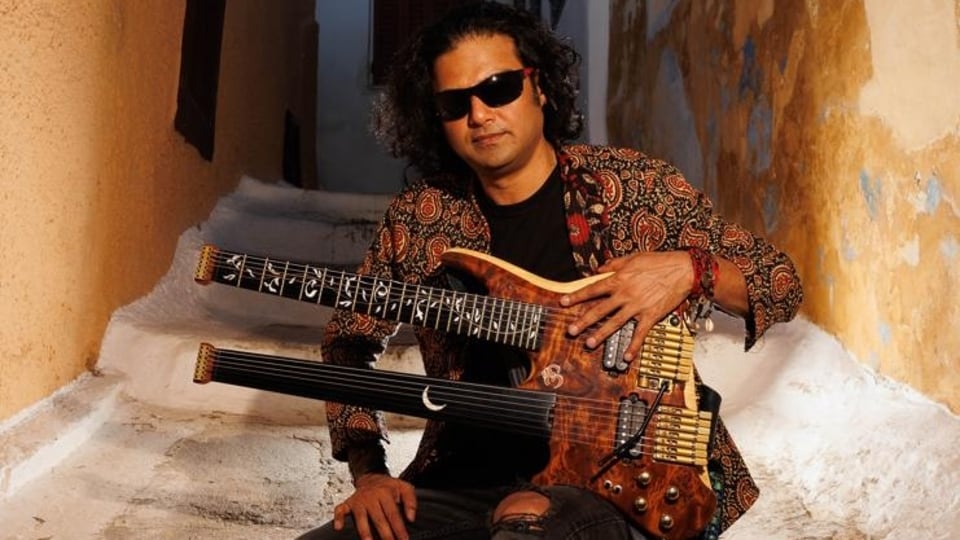
Reflecting on his decade-long tenure with the Grammys, Shobhakar highlights a significant shift in the global recognition of Indian talent. “At the Grammys, India’s scene has evolved big time. From the 70s, when it was Pandit Ravi Shankar and conductor Zubin Mehta to today we have now seen a surge of Indian artists and winners,” he observes. “I have been a juror for almost ten years, and I can say Indians are everywhere now; we can no longer say we are yet to arrive.” As he evaluates the future of the industry, his conclusion is definitive: “The global stage is no longer about adding Indian sound as texture. Indian music is not asking to be included anymore—it is already part of the global conversation.”
Hailing from Senia Maihar Gharana currently based in New York, the musician adds, “The raga system was never meant to compete with algorithms; it was meant to transform the listener be it in any city or country,” he says, emphasising that he looks for depth over viral appeal. Having evolved from a young guitarist influenced by Metallica to a disciple of Ustad Aashish Khan, he notes the shift in his own discipline: “Rock gave me courage and stamina... but under Ustad Aashish Khan, I learned surrender. I learned that a raga is not conquered. It is entered.”
At the heart of his tour is “Kali Maa,” his custom-made double-neck instrument designed to facilitate the complex notes and microtones of the sarod alongside Western guitar techniques.
”Kali Maa was born from necessity, not novelty,” he explains. “The hardest part was not technical engineering. It was emotional honesty.” While he continues to push the boundaries of his unique sound globally, Shobhakar remains open to bringing his expertise to Indian cinema. “I am open to collaborating for a soundtrack on a Hindi film, but I am yet to receive good offers,” he shares. “Though for now, I am happy focusing on my own music.”