
 E-Paper



Goan feni is GI-tagged: A milestone for this homegrown spirit
Goa's Ozzo Feni becomes India's first feni to receive a Geographical Indication tag, protecting its unique preparation and enhancing its marketability.

 Prefer HTon Google


Goa has achieved a milestone moment as Ozzo Feni, produced by Cazcar Distillery in Nanora village near Panaji, has become the first-ever feni to receive a Geographical Indication (GI) tag in India. This means that feni is now recognised for its unique preparation in a specific geographical location (Goa, in this case) and protects it from other imitations and increases its marketability factors both domestically and internationally.
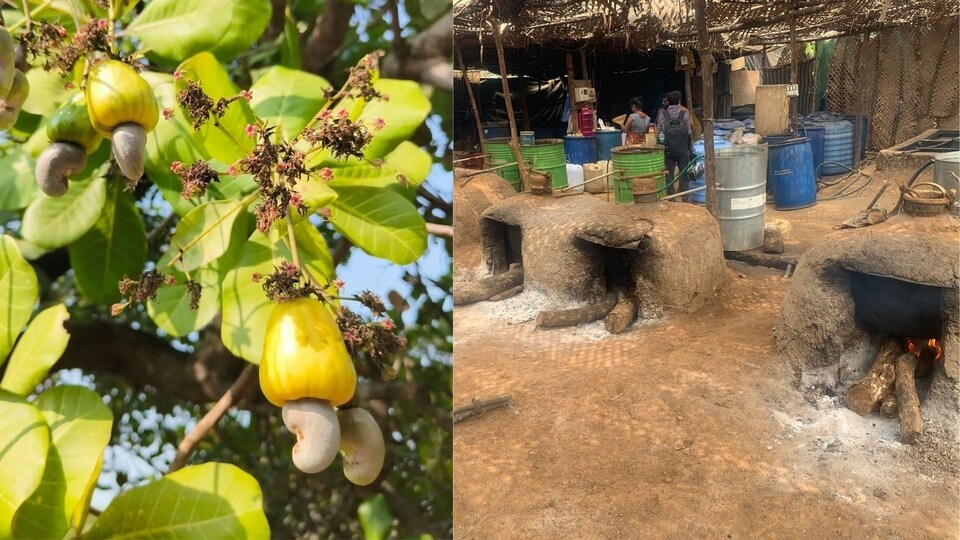
But hold on, what is Feni?
Feni is a traditional Indian spirit, well-known in Goa, made from the fermentation and double distillation of either cashew apples or coconut sap. It's a strong, clear liquor with a unique flavour profile and a history spanning centuries. Feni was introduced to India by the Portuguese missionaries in the 1600s when they came to trade. They brought with them cashew plant trees and also the method of distillation, which was then passed on to the locals.
The people who made feni were called bhatikars, who used earthen pots or bhatis under a fire. Today, copper pots under the coil method are used to make Feni. The juice is fermented naturally for 72 hours, and then distilled twice.
What does the GI tag mean for Feni?
Receiving the GI tag means that feni is now recognised globally and placed at a status comparable to Scotch in Scotland or Champagne in France.
The brand, which makes it strictly adheres to all the regulations of GI certification, sources the cashew apples from Goa, and all utensils used are stainless steel, copper or glass. The condensation of feni takes place in earthen mud clays called launi.
Other notable GI tags from India
Darjeeling tea was the first product in India to get a GI tag in 2004 and is known for its special aroma and light taste.
Alphonso mangoes from Maharashtra, famous for their sweet and rich flavour, were awarded the GI tag in 2018. Bikaneri Bhujia, a crispy and spicy snack from Bikaner, Rajasthan, received its GI tag in 2008.
Other GI-tagged foods include Kashmiri saffron, prized for its deep colour and strong aroma, which was granted the GI tag in 2020. Manipuri black rice, known for its rich nutrients and beautiful purple colour, earned its GI status in 2020.


