
 E-Paper



Japan's summer tourism is set to boom despite no Cherry Blossom cheer for tourists: Here's why
The Cherry Blossom bucket moment may not be a possibility this year - but a Japanese summer may be on the cards for several Indians

 Prefer HTon Google


The Cherry Blossom Festival, a bucket list moment on every avid travellers list out there, has been scrapped for 2026. And the reason isn't environmental or ecological. As a matter of fact, a BBC report on the development cleanly pegs the decision as having been motivated by "badly behaved tourists."
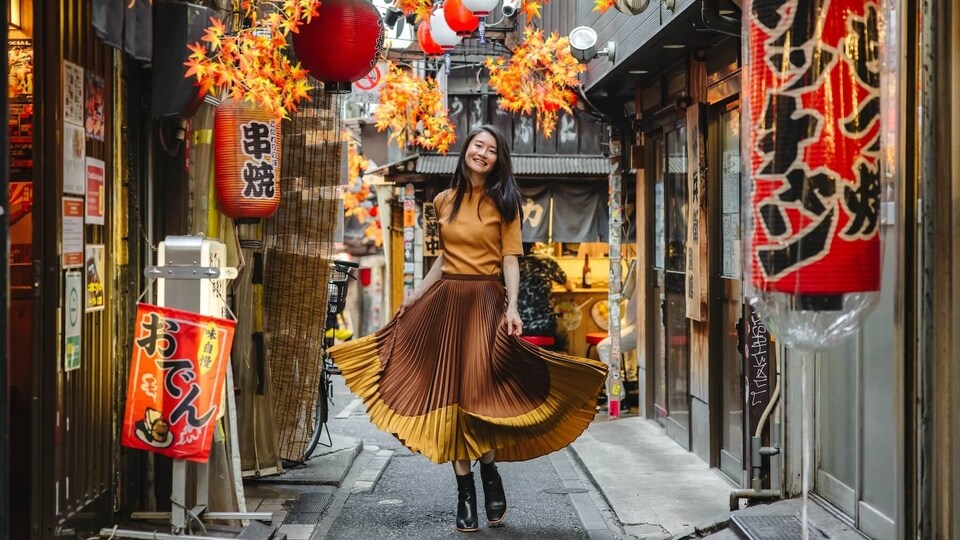
The announcement was made by Fujiyoshida authorities last week also directly citing the 'overtourism crisis' as the key driving factor. Known to draw more than 200,000 visitors every year, the sharp rise in international arrivals has reportedly made daily life increasingly difficult for locals. For context, Japan threw its doors open to 42.7 million visitors in 2025.
But if travel data trends are to be considered, it doesn't really seem like the measure is going to have any dampening effect on the influx of tourists to Japan through the coming summer months - especially from India.
The stats
As per travel company Cox & Kings' 2025 booking insights, there was a 30% incremental rise in summer departures between April and September despite schedule adjustments for the Cherry Blossom Festival. What this indicates, is that travelling to Japan during the summer is not really being interpreted by tourists as an off-season adjustment to their itinerary. As a matter of fact, it might be the increasingly sought-after original plan after all.
There's more to Japan than just the Tokyo-Kyoto route
The Cherry Blossom Festival - now cancelled - had developed quite a rep of seeing inconveniently heightened footfall in the country during the winter-spring transition, which could very well be the reason behind avid travellers to shift their focus on taking in the overall culture of Japan as opposed to planning their entire trip around one milestone event, no matter how iconic it may be.
In short, Tokyo and Kyoto aren't the whole plan - they're just pitstops, if that. Regions such as Hokuriku, rural Honshu, Hakone, and Takayama are witnessing growing interest, driven by scenic rail journeys, alpine landscapes, preserved cultural towns, and wellness-led experiences. Coastal routes and heritage towns are emerging as strong alternatives for travellers seeking immersive and crowd-light itineraries. Additionally, attractions such as the world’s largest Naruto & Boruto Shinobi-Zato theme park on Awaji Island are drawing anime enthusiasts and younger travellers, pushing tourism into newer geographies and expanding Japan’s appeal beyond conventional sightseeing.
What seems to be drawing people in then, year-round, is a growing awareness of local customs and etiquette, from silent public behaviour and respectful dining practices to community-led experiences. This evolution reflects a broader move toward conscious, respectful travel, aligning naturally with Japan’s cultural values of harmony and social responsibility.
Is Japan on your summer itinerary this year?


