
 E-Paper



Dance your way to health with garba and dandiya this Navratri
Dandiya and garba are not just festive fun; experts share how these traditional dance forms are great workouts too.

 Prefer HTon Google


Alive with vibrant lights and infectious music, Navratri kicked off earlier this week. Dandiya and garba, folk dances from Gujarat, are bringing people together nationwide in celebration, but beyond the fun, these dances offer a solid workout.
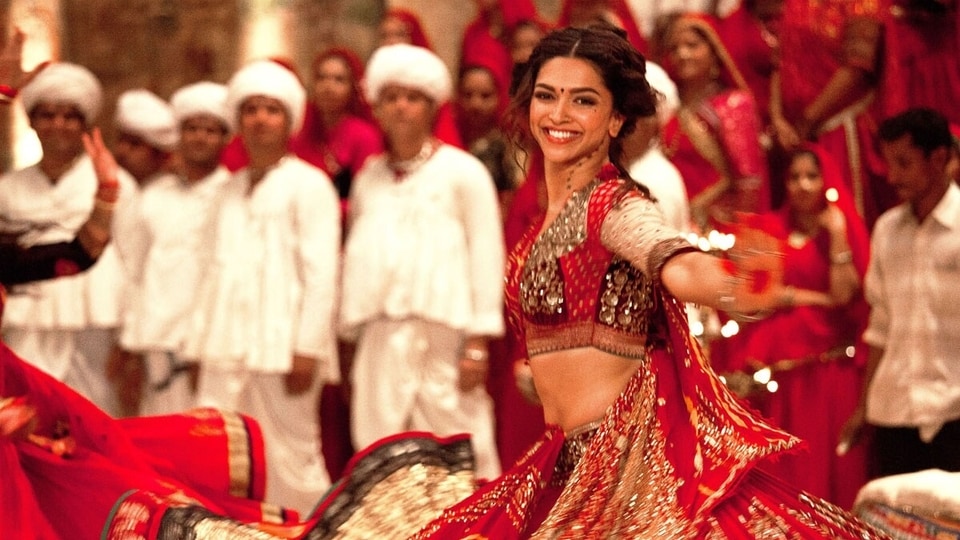
The rhythmic steps, turns, and coordinated arm and leg movements engage the whole body. The benefits? A boost in cardiovascular health, muscle coordination, agility, and balance, along with a calm and refreshed mind. But for lasting results, regular activity beyond the nine days of festivity is essential.
“A dedicated hour-long session can burn up to 300-600 calories, which is equivalent to aerobic brisk walking,” notes Kushal Pal Singh, fitness and performance expert at Anytime Fitness.
For your muscle strength
Garba and dandiya are dynamic, full-body workouts that engage the lower body and core muscles. Dr Mazhar Khan, chief physiotherapist at SPARSH Hospital, Bengaluru, says these dances can help improve posture, flexibility, and core strength. Here’s how:
- The rotational and sweeping movements of arms stretch the upper body, Dr Khan says, while the wide squats and lunges promote the lower body flexibility during the time of dance.
- Regular twisting of the torso and controlled footwork engage the core muscles, increasing strength and stability.
This combination, the expert notes, also strengthens the back and abdominal support system, improving balance and reducing stiffness.
A workout for your heart
From the perspective of heart health, these dances are effective aerobic exercise. “Such activity increases heart rate, improves circulation, and enhances lung capacity. Dancing also helps lower cholesterol levels and improve blood pressure. Consistent aerobic activity like this strengthens the heart muscle, improves endurance, and reduces the risk of heart disease, diabetes, and obesity,” says Dr Ravi Prakash, senior consultant of cardiology at PSRI Hospital.
For most healthy adults, 30 to 45 minutes of moderate dancing provides sufficient cardiovascular benefits. Dr Prakash, however, cautions beginners and those with heart conditions to start slowly, take breaks, and consult a doctor to ensure safety and enjoyment.
A relaxed mind
As with most dance forms, dandiya and garba contribute positively to mental health, reducing stress and anxiety, boosting mood, and, in turn, improving emotional balance. Since garba and dandiya are communal activities, they also encourage participation without feeling like a chore, which means participants are more likely to stay active in the long run.
“Dancing can trigger the release of neurotransmitters — endorphins, dopamine, and serotonin — known for their mood-boosting effects and ability to reduce stress hormones like cortisol,” notes psychiatrist Dr Sneha Sharma at Aakash Healthcare. “The party-like scenario and music during these garba and dandiya sessions enable you to relax and release endorphins. Through rhythmic movements, dance helps reduce worrying thoughts and physical tension associated with anxiety,” she adds.
Stretch before and after you dance it off
Dynamic stretches, ankle rotations, leg swings, hip circles and shoulder rolls can help prepare your joints for repetitive movements. Dr Amit Pandey (PT), head of the department of physiotherapy, Asian Hospital, explains, “Light cardio, like marching in place, raises blood flow and reduces stiffness. After the session, switch to static stretches to relax the worked muscles. Simple moves like hamstring stretches, quad holds, calf stretches, and side bends help release tightness. Don’t forget gentle spinal twists and deep breathing; it calms the nervous system and aids muscle recovery after such high-energy dancing.”
Maintain glucose and hydration levels
Long hours of dancing can affect glucose and hydration levels. Keeping them balanced helps prevent fatigue, dizziness, and fainting during celebrations. Dr Anjana Kalia, Ayurvedic expert and nutritionist, lists some tips to maintain a balance:
- Eat complex carbohydrates like whole grains, fruits, or sprouts with protein such as paneer or dal to sustain stamina.
- Drink plenty of water beforehand; coconut water, lemon water, or ORS are ideal.
- Keep light snacks like bananas, dry fruits, or energy bars ready to quickly boost glucose levels.
- Those with diabetes or low blood sugar should carry sweets or glucose tablets for emergencies.


