
 E-Paper



Stiff person syndrome: Could you have it?
Five-time Grammy winner Celine Dion spoke out about the debilitating effects of the rare neurological disorder in a recent interview.

 Prefer HTon Google


In December 2022, Canadian singer Celine Dion announced to the world that she was suffering from stiff person syndrome (SPS). In a recent interview, 56-year-old delved deeper into the severe debilitation that the rare neurological disorder, which causes muscular rigidity, painful spasms and emotional distress, has left her with. Dion, who hasn’t performed in years and cancelled numerous concerts, was forced to forgo her Courage World Tour for 2024.
“It’s like somebody’s strangling you. It’s like somebody is pushing your larynx/pharynx. It gets into a spasm,” Dion movingly told Kotb. We speak to medical professionals to gain deeper insight into the disorder.

Celine Dion and her long battle with stiff person syndrome
In an Instagram video in 2022, the Canadian singer revealed that she had been diagnosed with the painful condition. She has had to cancel multiple concerts and performances because of her struggle with SPS in the period following her diagnosis. Initially, Dion struggled with voice control, but in the more advanced stages of the illness, the singer has shared that she suffers excruciating muscle spasms (resulting in broken ribs), trouble walking and breathing, among other aggravations.
What it’s about
“Stiff person syndrome is an autoimmune disorder that causes stiffness in muscles, especially in the trunk and limb, leading to painful spasm. It’s also associated with other autoimmune disorders like type-1 diabetes, thyroid and vitiligo,” says Dr Shailesh Rohatgi, HOD - Dept Of Neurology, DPU Super Specialty Hospital, Pune.
The disorder could affect anyone but is more prevalent among women between ages 30 and 60. “Rare occurrences among children and elders are also noticed. It is highly probable that SPS can develop at an early age and surface years later,” says Rohatgi, adding that it develops when the body starts making antibodies against its antigens. “In this case, it attacks a specific protein called Glutamic Acid Decarboxylase (GAD). These are antibodies that act on receptors in the brain, ultimately leading to SPS. This stiffness can be in the whole body or impact certain areas,” explains the neurologist.
Symptoms worsen over time
“General tightness all over the body” and a “stiff, plastic gait” are among the first symptoms that patients usually come in with, informs Dr Ishu Goyal, Dr Ishu Goyal, Deputy Consultant Neurologist, Sir HN Reliance Foundation Hospital, Mumbai. “The thing to note is that it isn’t present since birth, but acquired over a few months. Only when the symptoms become too painful, do patients approach a neurology OPD,” says Goyal.
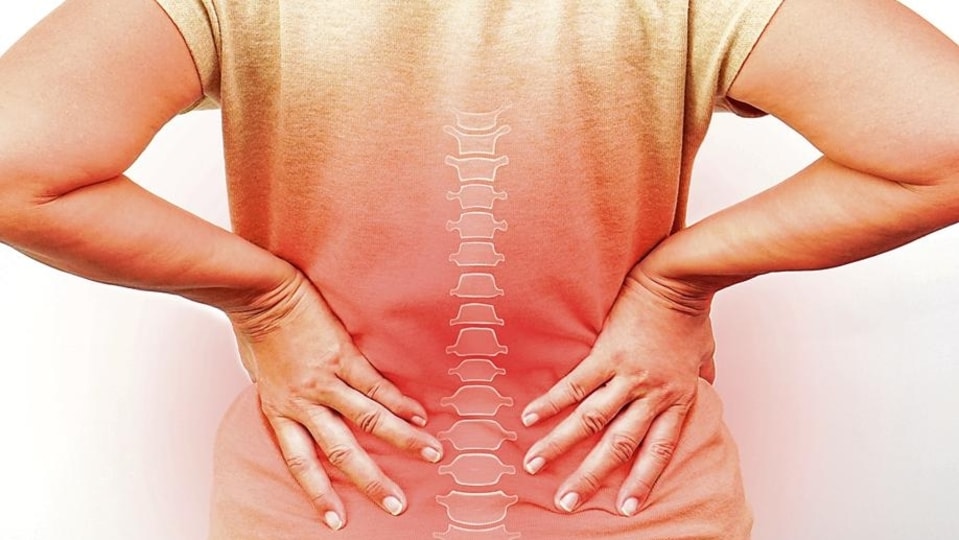
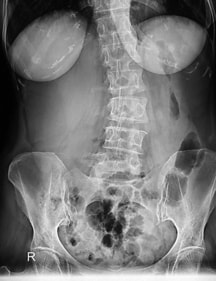
The pain reaches a point where patients aren’t even able to move or sleep. “If the respiratory muscles are involved, they may even complain of shortness of breath. Continuous spasms over a period of time can also develop abnormal posturing of the lower back. is also generally associated with a lot of anxiety because of unprecedented falls. In very, very advanced stages, there may be speech difficulties and eye movement abnormalities,” she says.

No, it’s not fatal
Though SPS is not a fatal disorder, if not diagnosed and treated on time, it can lead to adverse distress and complications such as lung infections and bed sores, shares Rohatgi, adding, “While the treatment is subjective given the severity of the condition, IVIG (intravenous immunoglobulin) and immunosuppressants are given as required. Plasma exchange is also carried out — separating the blood and plasma, after which plasma is filtered for harmful antibodies.”


