
 E-Paper



Vampire facial: A bloody scary beauty trend?
The news of three women contracting HIV after a vampire facial in New Mexico has led experts to underline the safety protocols for this treatment

 Prefer HTon Google


They say beauty comes at a cost, an adage that turned true for three women in New Mexico (USA) who contracted HIV after undergoing a skincare routine — the vampire facial. The procedure, touted to treat scars, even out lines and texture, was administered at an unlicensed spa in 2018, where the aesthetician flouted basic hygiene practices, like reusing the same needle for different procedures and storing blood in unlabelled vials, says a recent report by Centers for Disease Control and Prevention (CDC).
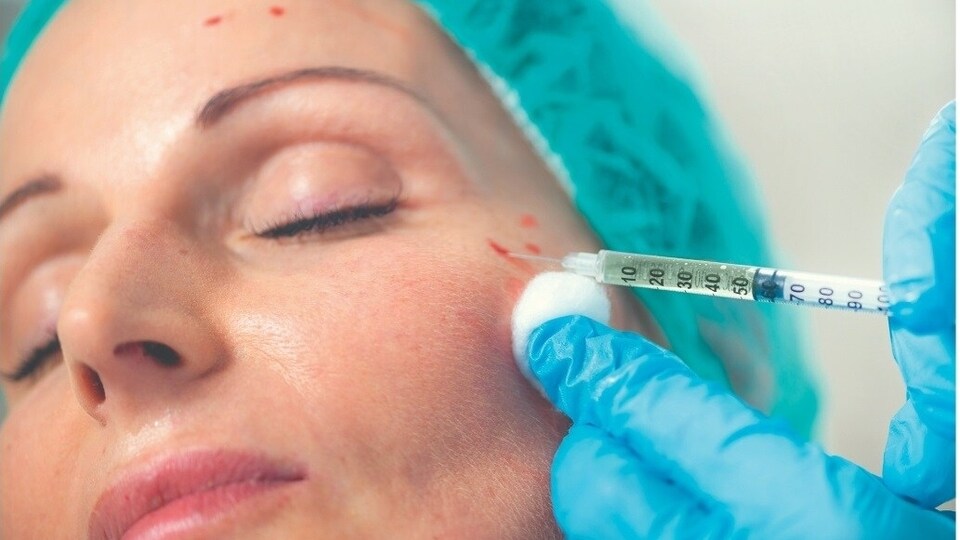
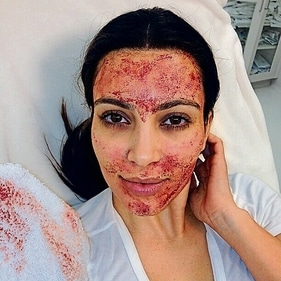
This has led to a rise in concern among skincare enthusiasts about the perils of vampire facials, which are a favourite among celebs such as reality TV personality Kim Kardashian. Closer home too, the beauty treatment has quite a big fan base, with the likes of actor Deepika Padukone and reality show star Seema Sajdeh opting for it. Experts tell us it is mostly in demand during the wedding and party seasons, but they caution us to tread the path carefully.
What is a vampire facial?
Dr Nishita Ranka, dermatologist, medical director and founder of Dr Nishita's Clinic for Skin, Hair & Aesthetics, Hyderabad, has been administering the routine for over eight years now. She explains, “It is a platelet-rich plasma facial, where the patients’ blood is collected and plasma is separated from this blood. It is then injected into the top layers of the skin using small hypodermic needles. It is combined with microneedling to ensure that the entire face is covered.” She adds that the treatment is recommended for “boosting collagen and elastin, tightening the skin, correcting pigmentation, reducing signs of ageing and getting a glow”.
'Expertise and sterilisation are key’
The routine can turn into a lethal prick if done wrong. “You must do the treatment at a licensed medical practitioner’s clinic and ensure that the same sample taken from one patient is injected into their face only. The risk of HIV occurs when there is a mixing up of the blood when injecting,” cautions Dr Ranka.
Also underscoring the need for safety, Dr Sravya C Tipirneni, consultant dermatologist at Manipal Hospitals, Bengaluru, adds, “The women contracting HIV after vampire facials in New Mexico is a stark reminder of the importance of proper sterilisation and expertise. Improper handling of equipment, especially reusing needles, can transmit blood-borne diseases. Lack of training could also lead to accidental blood vessel punctures, increasing infection risk, etc.”
There’s always a choice
Experts also state that a person seeking results like a vampire facial will always have an alternative. Dr Seema Oberoi Lall, consultant dermatology at CK Birla Hospital, Gurugram, advises, “Before getting a vampire facial, discuss with your dermatologist why you want it and the result you are looking for. There might be another method like medifacials, medical peels, laser skin rejuvenation, that can yield similar results.”
Avoid vampire facial if...
There are certain individuals who can be at risk if they opt for the treatment. Dr DM Mahajan, senior consultant, dermatology, Indraprastha Apollo Hospitals lists that people with “active acne, skin infections or blood disorders” should avoid the procedure.
Individuals with allergies, blood disorders, active infections, cancer, autoimmune diseases, pregnant and breastfeeding women should avoid the procedure, says Dr Atula Gupta, dermatosurgeon, Gurugram


