E-Paper



3-way race among BJP, BPF and UPPL to wrest control of Bodoland Territorial Council
Voting for the BTC election had taken place in two phases on December 7 and December 10.


The Bodoland Peoples’ Front (BPF) was marginally ahead of United Peoples’ Party Liberal (UPPL) and Bharatiya Janata Party (BJP) in a three-way race to come to power in the Bodoland Territorial Council (BTC) in Assam on Saturday.
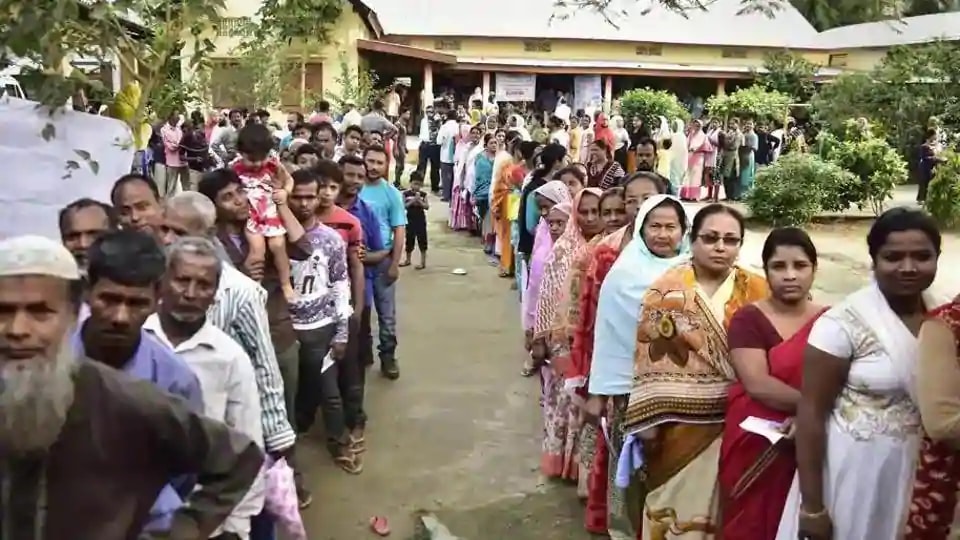
Counting of votes to the 40 seats in the council, which administers four districts Kokrajhar, Chirang, Udalguri and Baksa collectively called Bodoland Territorial Region (BTR), began at 8 am on Saturday and till 7:30 pm, the BPF candidates had won in 8 seats and were ahead in 9 others.
Nine seats had been bagged by the UPPL and it was leading in 3 others. The BJP, which ran an aggressive campaign in the council polls for the first time, had won 7 seats and was leading in 3 others. Congress was leading in one seat.
Voting for the BTC election had taken place in two phases on December 7 and December 10. The election is seen as a semi-final before the assembly polls due in the state in March-April next year.
In 2015, the BPF had come to power for the third time in the BTC by winning 20 seats, Independent candidates had bagged 15 seats, All India United Democratic Front (AIUDF) bagged 4 and BJP had won one seat.
Also read: Farmers’ leaders to go on hunger strike on Dec 14 as protests intensify
With no party looking to cross the halfway mark of 20 seats on its own, the BTC could witness a coalition rule for the first time. Since the BJP and the BPF ran a bitter campaign against each other, there are indications that the saffron party could tie-up with the UPPL to come to power.
Polling for 40 seats in the council, which comes under the Sixth Schedule of the Constitution, scheduled in April, was postponed due to Covid-19 and the area was placed under the Governor’s rule.
Since its formation in 2003, the BTC had been governed by Hagrama Mohilary, a former rebel who now heads the BPF, a partner in the ruling coalition headed by the BJP with Asom Gana Parishad (AGP) as the third partner.
But relations between the BJP and the BPF started souring after the BTC was placed under Governor’s rule. Both parties contested the BTC polls separately. The BPF had fielded candidates in 37 seats while the BJP contested in 26 and supported Independent candidates in the other seats.
Apart from the BJP and the BPF, opposition Congress and the All India United Democratic Front (AIUDF), which have a tie-up for the assembly polls, contested 20 seats. The UPPL contested all 40 seats and Gana Surakha Party (GSP) of Kokrajhar MP Nava Sarania fielded candidates in 35 seats.
The BTC polls was the first election in Assam since the Covid-19 pandemic started and polling was conducted following all safety protocols.