
 E-Paper



4 yrs on, trial in Lankesh case yet to begin; SC to hear sister’s plea
During the investigation, the SIT found that a nameless organisation that recruited right-wing activists from various Hindutva organisations was behind the murder.


September 5 will mark four years since Gauri Lankesh, a journalist turned activist, was murdered in front of her house. Even though the Special Investigation Team (SIT) filed a charge sheet in the case on March 10, 2018, the trial is yet to begin.
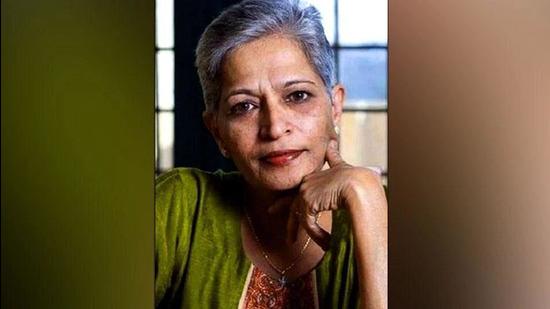
On September 8, the Supreme Court is expected to hear the plea filed by Kavitha Lankesh, challenging the dropping of charges under the Karnataka Control of Organised Crime Act 2000 (KCOCA) against one of the accused in the murder case. A bench led by Justice AM Khanwilkar had issued notice to the Karnataka government on the petition filed by Kavitha, in which she appealed against the state high court’s decision in April to quash charges against Mohan Nayak.
KCOCA is a law enacted by the state since 2000 to combat organised crime and terrorism. The Act was modelled on the Maharashtra Control of Organised Crime Act, 1999 (MCOCA). According to the police, if the charges of KCOCA are dropped against Nayak, it could set precedence for charges to be dropped against other accused in the case. There are a total of xx accused in the case, including the shooter Parashuram Waghmore and the mastermind of the crime Amol Kale.
The hearing in the case is expected to start following this hearing, which the SIT said is crucial for the investigations on other rationalist murders.
During the investigation, the SIT found that a nameless organisation that recruited right-wing activists from various Hindutva organisations was behind the murder. The investigation into the Lankesh murder case also unearthed a link between the murders of four rationalists – MM Kalburgi, Govind Pansare, Narendra Dhabolkar, and Lankesh.
During the initial days of the investigation, the SIT found a connection between the murders of Lankesh and professor Kalburgi, who was killed on August 30, 2015. The four bullet slugs and cartridges recovered from Lankesh’s house matched with the slugs and cartridges of the Kalburgi murder case. The forensic labs found that both bullets were fired from the same gun.
The Maharashtra SIT, which is probing the murder of another rationalist, Govind Pansare, also found that the same was used in Lankesh and Pansare murders. The link between the murders of Lankesh and Narendra Dhabolkar, another Maharashtra-based rationalist, murdered on August 20, 2013, emerged during the later stages of the investigation.
It was found that fifty-year-old Rajesh Bangera, a second division assistant in the Education Department, who was the tenth person arrested by Karnataka SIT, provided weapons training to the killers of Dhabolkar and Lankesh.
According to SIT officials, the trial of the Gauri Lankesh case will have a severe impact on the investigations into other rationalists’ murders, which have become cold cases. “We hope that after the SC hearing on September 8, the trial in the case will begin,” said senior SIT officer.


