
 E-Paper



9-judge SC bench to determine scope of judicial review in matters of faith
A 36-year-old case challenging the practice of ex-communication in the Dawoodi Bohra community was referred to the nine-judge bench


The Supreme Court on Friday referred a 36-year-old case challenging the practice of ex-communication in the Dawoodi Bohra community to a bench of nine judges to determine the scope of judicial review in matters of faith.
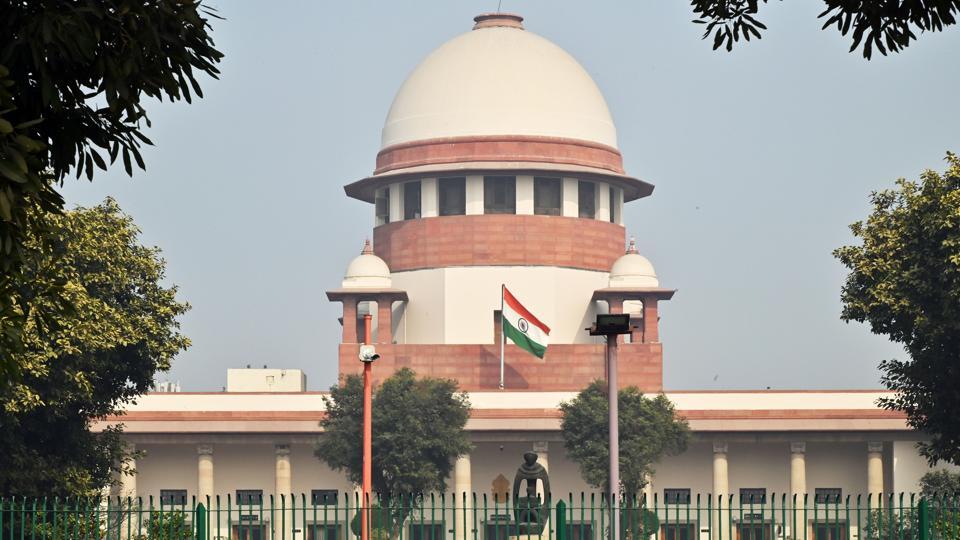
The ex-communication of a member would result in a social boycott, besides a bar on entering the places of worship.
The reference order was passed by a five-judge bench comprising justices Sanjay Kishan Kaul, Sanjiv Khanna, AS Oka, Vikram Nath, and JK Maheshwari. This bench noted that a 1962 judgment by another five-judge required reconsideration by a larger bench. The 1962 judgment quashed a law that sought to prevent religious denominations from ousting their members.
During the hearing of the case in October last year, Maharashtra submitted the case should be referred to the nine-judge bench, which is to adjudicate on the extent a constitutional court can go in matters of faith and religious practice.
The nine-judge bench was formed to reconsider the court’s 2018 judgment allowing women of all ages to enter Kerala’s Sabarimala shrine. At that time, the court noted other petitions challenging practices in Islam, Christianity, and other faiths were also pending adjudication before it and decided to club all the cases. This bench is yet to commence the hearing of the matter.
Dawoodi Bohra’s spiritual head, the 53rd Syedna, opposed the plea for a reference to a nine-judge bench, arguing the proceedings do not survive anymore since the controversy revolved around the 1949 Bombay Prevention of Excommunication Act, which was repealed by a Maharashtra law in 2017.
The Dawoodi Bohras have a long history of legal fights over ex-communication. The Bombay Prevention of Excommunication Act was passed in November 1949. The community’s then spiritual head, the 51st Syedna, filed a petition against the law on behalf of Dawoodi Bohras. The plea said the power of ex-communication was one of the tools with which Syedna managed the affairs of his sect.
In 1962, a five-judge bench of the Supreme Court struck down the 1949 Act which sought to prevent religious denominations from ousting a member of the denomination.
Twenty-five years after this ruling, in 1986, a writ petition was filed by the Central Board of Dawoodi Bohra Community, which is considered the representative body of reformist Dawoodi Bohras.
The petition cited the findings of a commission headed by Justice Narendra Nathwani set up in 1977 to find out whether allegations of the social boycott by some families were true. The commission, which submitted its report after two years, said the complaints were not unfounded and recommended that social boycotts be made illegal.
In 1994, a two-judge bench directed the matter to be heard by a seven-judge bench. But in 2004, the court held the matter should be first examined by a five-judge bench to determine whether it requires a reference to a seven-judge bench or not.
Before the five-judge bench, senior counsel Fali S Nariman, appearing for the Syedna, pointed out that in 2017 Maharashtra Protection of People from Social Boycott (Prevention, Prohibition, and Redressal) Act rendered the petition “moot” since the new law not only repealed the 1949 Act but also outlawed all forms of social boycott, including ex-communication.
Senior advocate Siddharth Bhatnagar, representing the petitioners, said that a “general law” specific to Maharashtra on social boycott may not protect the Dawoodi Bohra community members facing ex-communication.
Assisted by a team of lawyers from Karanjawala & Co, Bhatnagar added the religious heads must be willing to make a statement that they will not resort to ex-communication citing the 1962 Supreme Court ruling.
But Nariman refused to give any such undertaking. The judgment in the case was reserved on October 11, 2022.


