
 E-Paper



A breather for pilots, better late than never
Even with minor exceptions, new flight duty timings for pilots in India promise to ease their stress levels and make the skies safer


Two years after the office of the director general of civil aviation (DGCA) proposed new guidelines for flight duty timings limitations (FTDL) for pilots and the proposal reached and was deliberated by the Indian courts, we are finally here. Rest and maximum duty hours for pilots have been eased, lifting some of the stress especially for narrow body commanders, whose job remains less enviable than that of wide body crews.
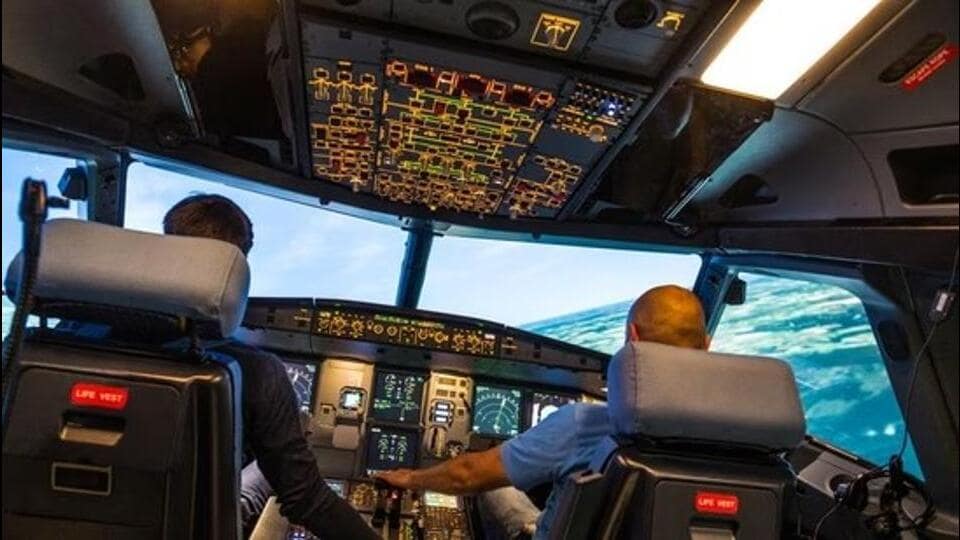
The new guidelines --- which have come into full force (barring a few exemptions granted) from November 1, 2025 --- have been much awaited since the airlines have been resisting these since November 2023 when they were first drafted and the matter like most others went into dispute before the courts.
In July 2025, based on court directives, some of the clauses of the proposed guidelines had been implemented and now with the implementation of other clauses, the main issue has been effectively tackled, despite the skepticism among the pilot community and associations.
In fact, large parts of the aviation industry have remained unconvinced that the authorities would actually implement the controversial proposals at all since credibility of DGCA has been under question for several years. Over the last two years the Flight Timing Duty Limitations (FTDL) have become a flashpoint of the hostile equation between the DGCA and the pilot community, with the latter convinced that DGCA acts more on the behalf of the airlines than in their interest or that of safety.
While there is no clear evidence - an actual check by the authorities of the cause behind serious incidents in the recent past does not find directly on account of fatigue - there has been a growing concern regarding the rising levels of physical and mental fatigue among crew in India especially post the pandemic. Many airline crew in India contracted and lost their lives to the virus while others suffered the stress of financial setbacks because of dwindled-down incomes. As things limped back to normalcy, some of the financial stress lifted in 2022 and 2023. Yet in some ways, the work-life balance especially for a low-fare airline pilot appeared to have worsened.
Also Read: A new licensing system that will shake up pilot training
2023 in particular saw a number of incidents including a few commanders dying while on duty, creating a panic in the industry and a buzz on social media. Several news reports identified poor health due to overwork, accumulated fatigue and stress faced by many in the sector as reasons for the untimely deaths although there was no direct evidence of it.
However post the deaths and red flags over pilots health, many commanders across airlines went public with their complaints and argued that they were operating with rosters and schedules that tested their capacity with repeated early morning departures and several “windows of circadian low” (WOCL) flights, which are between 2 am and 6 am, a time of day when the mind and body are at their lowest functioning capacity thrown in. The plight of the low fare airline pilots was worse as by definition they would undertake several take offs and landings in a single day, not ideal from a medical perspective either. The untimely deaths of some crew was cited as a further risk factor as they are in charge of the lives of hundreds of passengers while on duty. Calls for accountability increased and DGCA was forced to act.
The full implementation therefore should - although there are some exemptions granted - help restore some of the dwindling confidence of the sector in the credibility of DGCA, which has for years been plagued by allegations of corruption and labelled the “watchdog for the airlines” rather than safety. The constant refrain that plagues DGCA - and one the body is attempting to shed of late - is that it is far more driven by the “commercial considerations of airlines than by safety considerations of passengers”.
Also Read: SC says pilots not to blame in Air India crash, agrees to consider fresh probe
The other reason why the aviation industry has been skeptical on whether the new norms would see the light of day is because these are expected to lead to an increased requirement of commanders and first officers of almost 5-8 percent to operate the same number of flights across airlines, as per industry sources. This would mean an additional cost to all the players. Moreover, in what many airline insiders described as even “more cumbersome”, the head of operations of the airlines are required to maintain and submit fatigue reports on each pilot every quarter and inform the authorities about actions taken.
Industry sources greeted the news of the new limitations coming into full effect with guarded skepticism since the DGCA has granted certain exemptions, adding a new point of contention. A recent letter by the Federation of Indian Pilots has raised concerns on the extension of flight duty timings for B787 pilots - an exemption specifically granted to Air India - on long haul flights which it argues runs counter to what has been followed/advised globally and argues that granting dispensations and deviations (like it has) defeats its very purpose. DGCA however has maintained that the variations are transitional in nature and aimed at ensuring a smooth and safe operational transition, without compromising the regulatory intent.
While the above concerns may amount to a bit more than just nitpicking, the new guidelines even if not ideal are essentially what the doctor ordered. Passengers and all those vested in maintaining safer skies should heave a collective sigh of relief.


