
 E-Paper



'A logistical marvel': IMF hails India's direct cash transfer scheme
The IMF official pointed to the success of technological innovations in India and the use of the unique identification system, the Aadhaar, in making the cash transfer scheme a success.

 Prefer HTon Google


India's implementation of direct benefit transfer and other similar social welfare programmes is a “logistical marvel”, a top International Monetary Fund (IMF) official said on Wednesday. Responding to a question on the direct cash transfer programme being successfully implemented by the Indian government, Paolo Mauro, Deputy Director of the Fiscal Affairs Department at the IMF, said that India's case is "quite impressive” given the “sheer size” of the country.
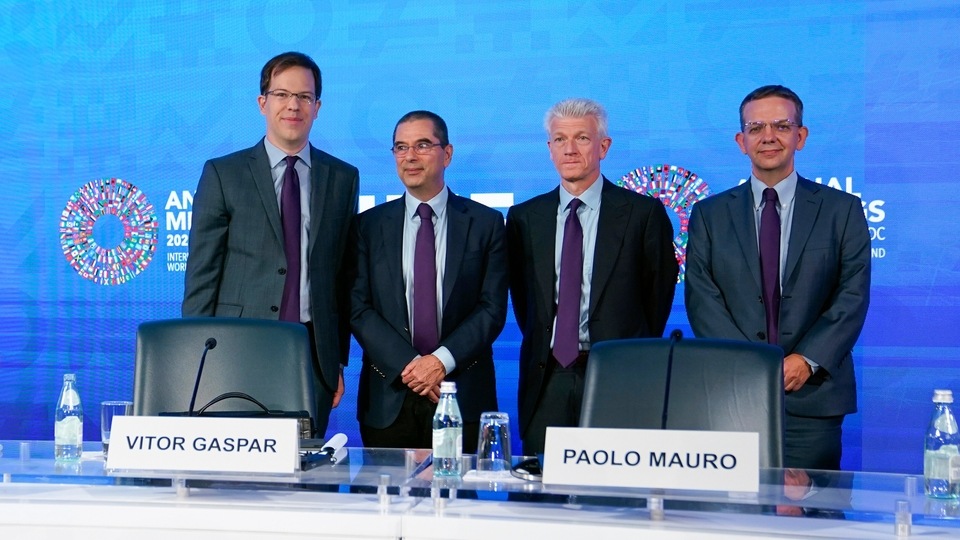
“From India, there is a lot to learn. There is a lot to learn from some other examples around the world. We have examples from pretty much every continent and every level of income. If I look at the case of India, it is actually quite impressive,” Mauro told reporters.
“In fact, just because of the sheer size of the country, it is a logistical marvel how these programmes that seek to help people who are at low-income levels reach literally hundreds of millions of people,” he added.
Mauro was addressing a news conference during the 2022 annual meeting of the IMF and the World Bank Group in Washington.
The senior IMF official marvelled at the technological innovation involved in the implementation of welfare programmes targeting specific groups like women, elderly and farmers. In case of India, Mauro said, one thing that is "striking" is the use of the unique identification system, the Aadhaar.
“But in other countries, also, there is greater use of sending money through mobile banking to people who actually do not have a whole lot of money, but they have a cell phone,” Mauro said.
“So being somewhat innovative in identifying people, in processing their applications for transfers through digital means, deploying funds through, again, mobile banking. This is something that countries can learn from each other. We try also here to be a little bit of a convening place where people can compare these types of experiences,” he added.
IMF's Director of Fiscal Affairs Department Vitor Gaspar said, "we are collaborating with India in that context as one of the most inspiring examples of the application of technology to solve very complicated issues of targeting support to the people who need it most."
(With inputs from agencies)


