
 E-Paper



AAP ‘strongly’ opposes simultaneous polls panel: 'One nation, one election will lead to…’
Earlier, the Congress and the Trinamool Congress (TMC) have opposed to the simultaneous polls in the country.

 Prefer HTon Google


The Aam Aadmi Party (AAP) on Saturday strongly opposed the idea of holding simultaneous elections in the country, saying it will “damage the idea of parliamentary democracy”. According to the Arvind Kejriwal-led party, the ‘one nation, one election’ will also lead to an “unfair advantage” to the party ruling at the union level.
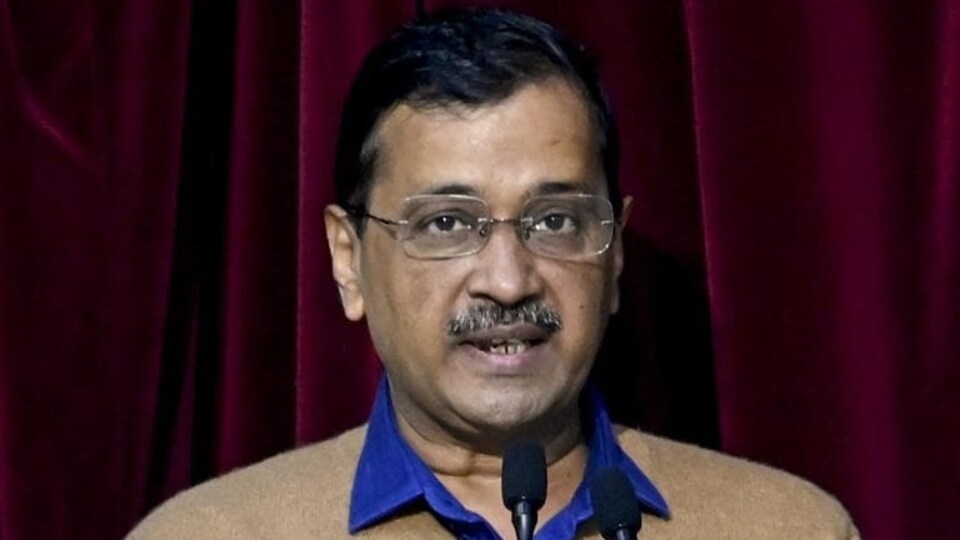
“Aam Aadmi Party strongly opposes the idea of ‘one nation, one election’. This will damage the idea of parliamentary democracy, the basic structure of the Constitution, and the federal polity of the country. 'One nation, one election' is unable to deal with hung legislatures and will actively encourage the evil of anti-defection and open buying and selling of MLAs and MPs,” AAP national secretary Pankaj Gupta wrote in a letter to the poll panel's secretary Niten Chandra.
The letter, dated January 18, added, “The tenets of the constitution and democracy cannot be sacrificed for narrow financial gains and administrative convenience…Conducting polls simultaneously will detrimentally impact the Indian multi-party system, where several parties have emerged to represent the voices of those who were erstwhile marginalised in mainstream politics.”
Also read: ‘Will be a disaster for Indian democracy’: AIMIM chief Owaisi on One Nation, One Election
“While notable exceptions exist, evidence suggests that a very large number of voters tend to vote for the same party when elections to both the state Assembly and the Lok Sabha are held simultaneously or within a gap of six months…Voters tend to vote for the same party in the Assembly election for which they had voted during the Lok Sabha election. This creates an unfair advantage for the national parties. While dominant regional parties will also benefit from this pattern, smaller regional parties will bear the brunt,” Gupta added in the letter.
Earlier, the Congress and the Trinamool Congress (TMC) have opposed the simultaneous polls in the country.
Congress president Mallikarjun Kharge on Friday also wrote to the secretary of the committee on one nation, one election, demanding the “undemocratic” idea be abandoned and the high-powered committee formed to study it be dissolved.
About ‘one nation, one election’
The Centre last year constituted a high-level committee - headed by former President Ram Nath Kovind to study the concept of simultaneous elections in the country. The discussion of the idea began after the central government called a special session of Parliament from September 18 to 22 last year without citing any reason.
Notably, till 1967 the country held simultaneous elections for state assemblies and the Lok Sabha. However, in 1968 and 1969, some legislative assemblies were dissolved, and in 1970, the Lok Sabha was dissolved - leading to a change in the electoral schedules.
Since Modi became the Prime Minister, he has been pushing for the idea of simultaneous Lok Sabha and state assembly elections. The Centre also wrote to six national parties and 33 state parties, asking for suggestions on holding simultaneous polls to the Lok Sabha, state assemblies, and local bodies.
(With inputs from ANI)


