E-Paper



After Gujarat in the west, PM Modi goes east to woo voters in Meghalaya, Mizoram
Besides Mizoram and Meghalaya, Nagaland and Tripura will also go to polls early next year. BJP, which is in power in Assam, Manipur and Arunachal Pradesh, hopes to add these states to its kitty.


Prime Minister Narendra Modi reached out to voters in Mizoram and Meghalaya on Saturday and urged them to throw out the Congress , kicking off his party’s campaign in four northeastern states that go to the polls next year.
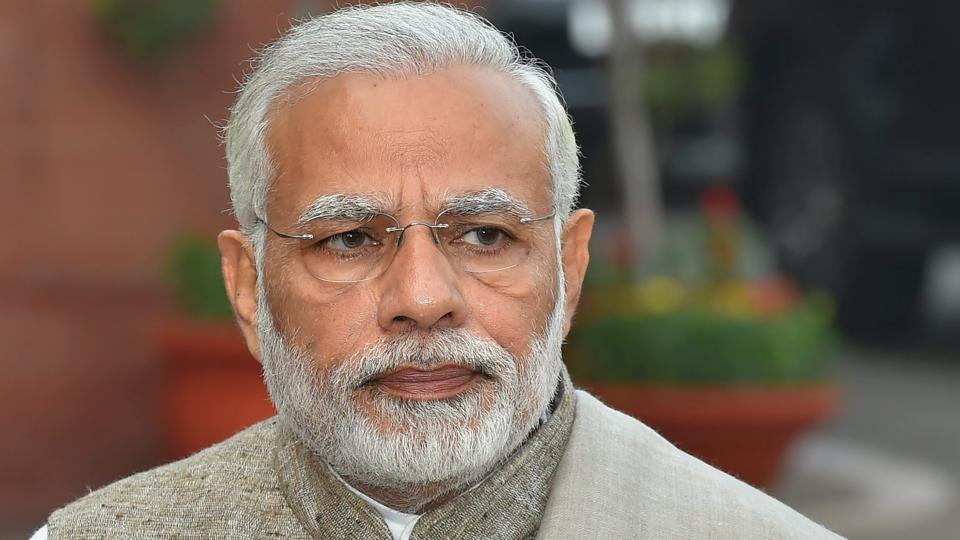
In his first visit to Mizoram since assuming office in 2014, Modi dedicated the 60MW Tuirial hydropower project to the nation and addressed the public at the Assam Rifles ground at Aizawl.
“Mizoram was the only state in the Northeast which I had not been able to visit as PM. That’s why at the outset, I would like to apologise to all of you,” the PM said .
Modi then travelled to Meghalaya capital Shillong, where he inaugurated the BJP’s state office and opened the 261-km long East West Corridor, which connects Shillong to Tura in the Garo Hills region of the state.
“It is Meghalaya’s misfortune that the Congress government has failed residents on all fronts. The BJP’s agenda is development, speedy development and all-round development of the state,” Modi said.
Both Meghalaya and Mizoram are scheduled to hold assembly elections in 2018 and Modi’s visit is expected to boost the BJP’s aim of dislodging Congress governments in both states and coming to power for the first time.
Modi, who travelled almost 30,000 kilometers during the recently concluded Gujarat election campaign, and party president Amit Shah have focused on the northeastern states, where the BJP has traditionally been a fringe player. Both leaders have repeatedly said the states are an important part of their aim of “Congress-mukt Bharat” (Congress-free India).
The BJP is currently in power in Assam, Manipur and Arunachal Pradesh and it is a part of the ruling coalition in Nagaland, which votes to elect a new government early next year.
Two of the other four states are ruled by the Congress. Meghalaya is scheduled to hold elections in the first half and Mizoram in the second half of 2018.
Tripura is ruled by the Left Front and also goes to the polls in 2018. Sikkim has been ruled by the Sikkim Democratic Front for more than 20 years.
In Aizawl on Saturday, Modi called Mizoram the “gateway to southeast Asia” and said the state will gain from the Centre’s Act East policy. “It can emerge as a key transit point for trade with Myanmar and Bangladesh.”
“The high literacy rate, scenic beauty and availability of large English-speaking population of Mizoram makes a perfect blend to develop the state as a model tourist destination,” the PM added.
Besides power generation, the Tuirial project, which makes Mizoram the third power-surplus state in the region after Tripura and Sikkim, will also boost water navigation, pisciculture, tourism and water supply, he said.
Setting up of a venture capital fund worth Rs 100 crore for start-ups in the region, 100% central funding for development project in the Northeast and rail connectivity to all state capitals in the region were other issues covered by Modi in his 38-minute speech.
Later in Shillong, Modi stressed on the need for better connectivity, through air, roads and rail network, for overall development of Meghalaya. Sea-planes could also boost connectivity in the state, he added.
“Meghalaya is rich in resources, but lacks governance. If the present state government had stressed on good governance, industrialisation and tourism, the state could have become a role model for small states,” he said.