
 E-Paper



Air India crash: Five new revelations from WSJ report on black box, pilots' actions
A WSJ report cites US investigators saying black-box data may clarify what happened in the final moments of the June 12 Air India Ahmedabad crash.

 Prefer HTon Google


Fresh details from the ongoing probe into last month’s Air India crash in Ahmedabad have offered new insight into what may have transpired in the cockpit moments before the aircraft went down, killing 260 people.
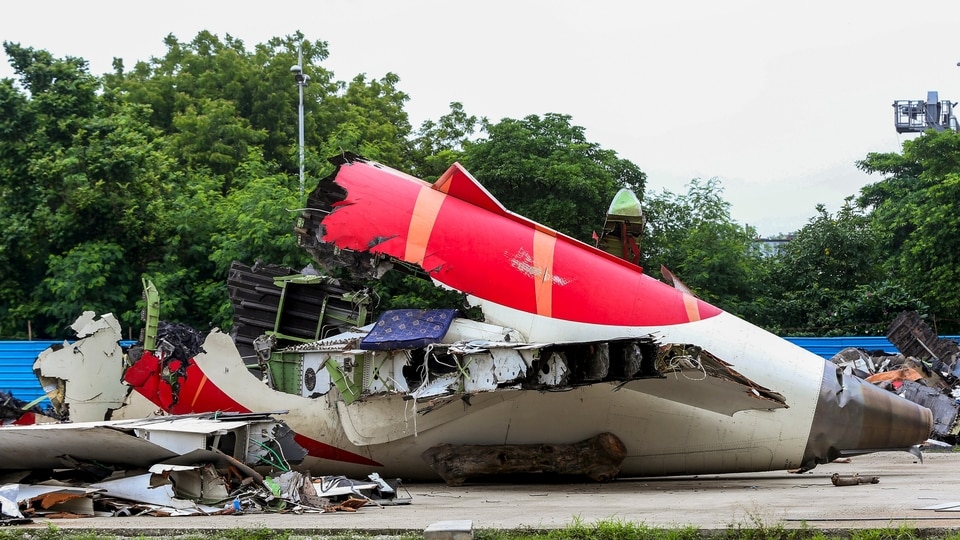
A report by The Wall Street Journal, citing people familiar with the early assessment of US investigators, mentions information from the black-box recording that could help clarify the sequence of actions during the flight’s final moments on June 12.
Fuel supply cut mid-air
The cockpit voice recording, reviewed as part of the investigation, points to a critical moment shortly after takeoff when the fuel supply to both engines was “cut off.”
“A black-box recording of dialogue between the flight’s two pilots indicates it was the captain who turned off switches that controlled fuel flowing to the plane’s two engines, according to people familiar with US officials’ early assessment of evidence uncovered in the crash investigation,” The Wall Street Journal reported.
The action of switching off the fuel supply mid-climb has become a central focus of the investigation.
Captain calm, first officer tense
The recording also captures the emotional state of the two pilots during the incident, according to the Wall Street Journal.
“The first officer expressed surprise and then panicked, these people said, while the captain seemed to remain calm,” it said.
It added that the exchange between the two crew members, “one experienced and composed, the other shocked and panicked,” is likely to be crucial in understanding decision-making in the cockpit.
Preliminary report hints at captain’s role
The Aircraft Accident Investigation Bureau's official preliminary report has not named any pilot responsible for flipping the fuel switches.
But sources cited by the Wall Street Journal say, “Details in the preliminary report also suggest it was the captain who turned off the switches, according to people familiar with the matter, US pilots and safety experts tracking the probe.”
The AAIB's report had previously said that one pilot asked the other why the switches were moved, and the other denied doing so, leaving the identities ambiguous.
Switches flipped in rapid succession
The sequence and timing of the switch movements are now being scrutinised to determine whether the action was deliberate or accidental, the WSJ report added.
“The switches were moved in succession, one second apart” according to the report, adding, “About 10 seconds later, both switches were turned back on.”
This pattern has led experts to question whether such a movement could happen unintentionally.
US officials see possible criminal case
While AAIB's probe has not concluded whether the crash was caused by human error or mechanical failure, some in the US see potential grounds for a criminal review, WSJ added in its report.
“The preliminary details have fueled the belief among some US officials that criminal authorities should review the matter, as would likely be the case if the crash had occurred on American soil, people familiar with the matter said,” the report reads.
Historically, US agencies such as the FBI get involved in aviation incidents when deliberate actions are suspected.
While Indian authorities continue to explore all possibilities, including design flaws and psychological factors, international scrutiny is now growing, especially over cockpit behaviour and decision-making in the flight’s final moments.


