
 E-Paper



Pak airspace closure could cost Air India ₹4000 crore: CEO Campbell Wilson
Air India CEO Campbell Wilson said the airline continues to support the families of those killed in the air crash

 Prefer HTon Google


Air India chief executive officer (CEO) Campbell Wilson on Wednesday said the airline’s long-term transformation remains on track even as it is navigating one of most challenging years. He cited multiple external disruptions affecting global aviation and said the closure of the Pakistani airspace was expected to cost around ₹4,000 crore in the current financial year.
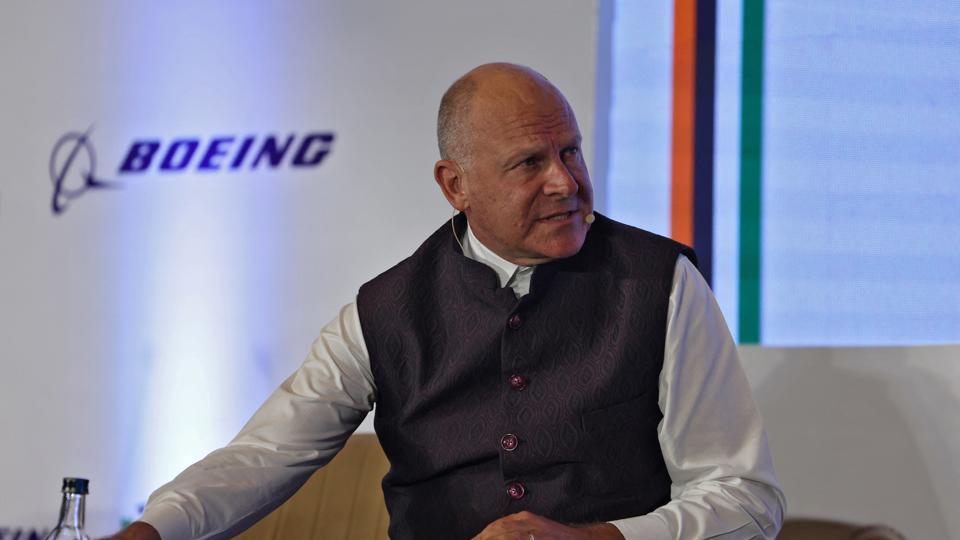
Wilson referred to the June 12 plane crash in Ahmedabad and added that the airline continues to support the families of those killed in the tragedy. “We have been doing absolutely everything we can to support those affected families, first responders, and staff. We have over 600 people on the ground in Ahmedabad and have set up a trust with Tata that is providing extra share payments to all the families,” he said.
Wilson said interim compensation had been completed and final payments were being processed. “The commitment from both Air India and Tata is to do absolutely all we can, for as long as it takes, to bring closure to those affected,” he said.
Wilson said that the crash investigation is government-led and independent of the airline. “The interim report indicated there was nothing wrong with the aircraft, the engines, or the operation of the airline. We, like everyone else, await the final report, and if there is anything to learn, we will absolutely make sure that we do,” said Wilson.
Air India introduced a “safety pause” after the crash and reduced international flying by about 15% for three months for additional checks. “It has now progressively gone back to a more normal level,” said Wilson. Wilson spoke about rerouting costs arising from conflict-related restrictions, including in West Asia and Europe.
The airline has been operating longer routes for its long-haul and ultralong-haul international flights after the Pakistan airspace closure in the aftermath of the Pahalgam terror attack in April and military action that followed.
Wilson said that supply-chain disruptions and workforce shortages have delayed aircraft deliveries and refurbishment timelines. “It takes about seven years to design, certify, manufacture, and install new first-class seats. We started that process in mid-2022, and the first refurbished wide-body will roll out in early 2026,” he said.
Wilson said Air India’s long-term transformation includes one of the largest aircraft induction programmes in the world. “The airline’s fleet has expanded from a little over 100 aircraft at the time of privatisation to 300 now, with 524 more on order. We will keep getting an aircraft about once every six days for the next three or four years. By 2026, we will start ramping up the wide-body fleet and will be taking one every six weeks for two years,” he said. “The foundations have been laid...2026 is when we will truly start seeing the new Air India properly emerge.”


