
 E-Paper



Amit Shah to hold 2-day national co-op brainstorming session on April 12-13
Cooperatives are essentially collectives of small producers who pool their resources to achieve scale and collective bargaining power in markets. A key initiative in the pipeline is a digital database of cooperatives, which will help overhaul a sector.


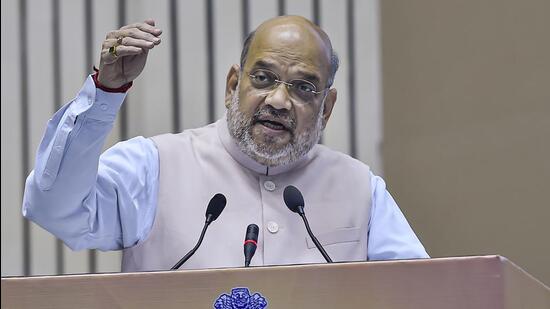
Union home and cooperation minister Amit Shah will hold a two-day national brainstorming session on April 12-13 to formulate the government’s policy for the country’s cooperative sector, according to a senior official.
Shah had earlier said the Modi government would bring changes in laws governing the sector. Prime Minister Narendra Modi shuffled his cabinet in July 2021, carving out a new ministry of cooperation, which was earlier a department under the agriculture ministry.
The ministry of cooperation will organise the conference to meet key representatives and experts, who will weigh in on steps needed to boost cooperatives with the goal of achieving a $5 trillion economy, the official said.
Cooperatives are essentially collectives of small producers who pool their resources to achieve scale and collective bargaining power in markets.
A key initiative in the pipeline is a digital database of cooperatives, which will help overhaul a sector.
The move is aimed to help reposition cooperatives as business entities with an online presence. A national database is also necessary to formulate an upcoming new policy for cooperatives, the official added, requesting anonymity.
While there are some iconic cooperative businesses in the country, such as dairy giant Amul, seasoned flatbread-maker Lijjat Papad and fertiliser major IFFCO (Indian Farmers Fertiliser Cooperative), the sector in many areas is hobbled by inefficiencies and opaque patronage systems.
According to the conference’s plan, six themes covering not only the whole life cycle of cooperatives, but also all facets of their business and governance will be discussed.
The ministry will discuss the present legal framework, identification of regulatory policy and operational barriers to increase ease of doing business in the cooperative sector. “Reforms for strengthening governance including cooperative principles, transparency and regular elections are some of the themes of the conference,” the official said.
India’s cooperative sector is the world’s largest, and covers almost 98% of the countryside, with over 900,000 societies with a membership of about 290 million people, according to data from the National Cooperative Union of India.
Along with the technical framework, the government is also likely to bring statutory changes in the cooperatives sector.
Primary agricultural credit societies (PACS) will be a key thrust area of the digitisation push, officials said. PACS are village or district-level last-mile institutions that deliver agricultural credit to millions of farmers.
A national software platform, which will be available in local languages, will link PACS, district cooperative banks, and the National Bank for Agriculture and Rural Development (NABARD), potentially creating an integrated financial grid. The digital database is aimed at boosting their reach and transparency.


