E-Paper



‘Atrocious’: Supreme Court berates Madras HC order on watching child porn
The court issued notice on the appeal moved by a coalition of NGOs, “Just Rights for Children Alliance”, and sought replies from the Tamil Nadu govt and others

 Prefer HTon Google


NEW DELHI: The Supreme Court on Monday called “atrocious” a Madras high court judgment, which held that merely watching child pornography is not an offence under the Protection of Children from Sexual Offences (Pocso) Act and the Information and Technology Act, 2000.
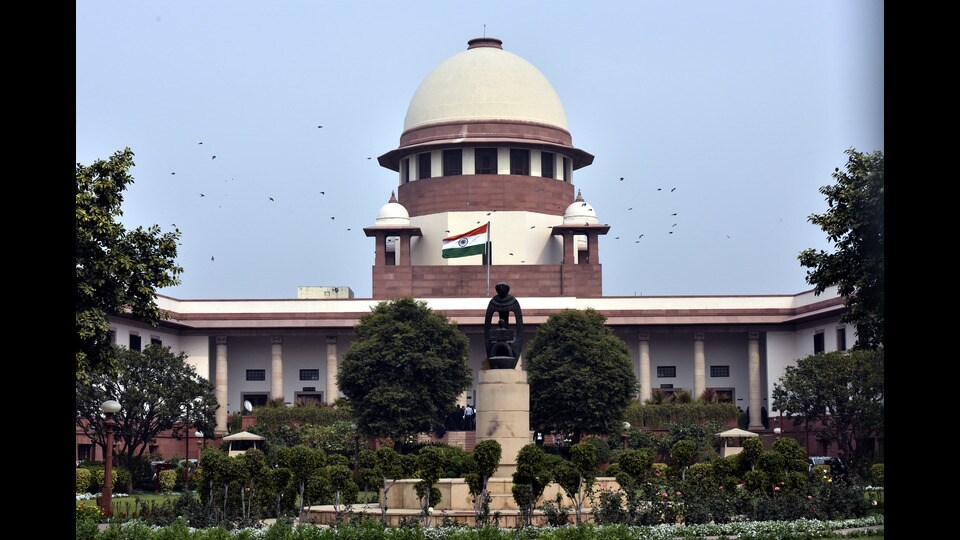
“How can a single judge say this? This is atrocious,” observed a bench, led by Chief Justice of India Dhananjaya Y Chandrachud, while agreeing to examine the correctness of the January order by the high court.
The bench, also comprising justices JB Pardiwala and Manoj Misra, issued notice on the appeal moved by a coalition of NGOs, “Just Rights for Children Alliance”, and sought replies from the Tamil Nadu government and others.
Also Read: Courts can’t be lenient on downloading child abuse material | Opinion
Represented through senior counsel HS Phoolka, the NGOs submitted that the Madras HC order was erroneous because the nature of the content and the involvement of minors in the material make it subject to the provisions of the Pocso Act. Phoolka added that the HC judgment gives an impression to the general public that downloading and possessing child pornography is not an offence.
In its January 11 order, a bench of justice N Anand Venkatesh quashed a criminal case against a 28-year-old man who was charged with downloading and watching pornographic content involving children, holding that “a child or children must have been used for pornography purposes” to attract charges under the Pocso Act.
Section 14 of the Pocso Act prescribes punishment for using a child for pornographic purposes. “Whoever uses a child or children for pornographic purposes shall be punished with imprisonment for a term which shall not be less than five years and shall also be liable to fine,” the section says.
“Since he has not used a child or children for pornographic purposes, at best, it can only be construed as a moral decay on the part of the accused person,” the high court held in the case.
The accused was also let off under Section 67-B of the Information Technology Act since the videos were neither published nor transmitted to others. Section 67-B of the IT Act prescribes punishment “for publishing or transmitting of material” depicting children in sexually explicit act, etc., in electronic form”.
“In order to constitute an offence under Section 67-B of Information Technology Act, 2000, the accused person must have published, transmitted, created material depicting children in sexual, explicit act or conduct. A careful reading of this provision does not make watching child pornography, per se, an offence under Section 67-B of the Information Technology Act, 2000,” the high court said.