
 E-Paper



Auto service providers to meet K’taka transport officials today
Aggregators had increased their base fare from ₹30 (for 2 km which is double of what offline charges) to ₹60 and then added the ₹40 convenience fee which takes the minimum fare to ₹100.

 Prefer HTon Google


Days after the Karnataka government directed the app-based autorickshaw aggregators to stop their ‘illegal’ autorickshaw hailing services in the city, the representatives of online mobility companies are scheduled to meet the state transport department officials on Tuesday, people directly aware of the developments said on Monday.
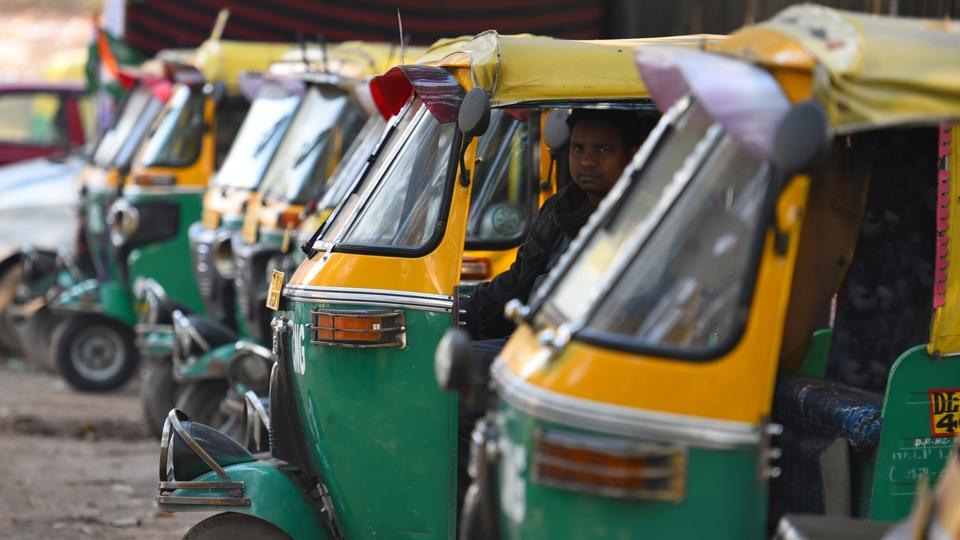
The state had called for a ban on the app-based autorickshaw services with immediate effect, citing violation of norms after several complaints of overcharging came to the fore.
“They (Ola, Uber and Rapido) have asked for a meeting and the same has been fixed for tomorrow (Tuesday),” said a senior official from the state transport department, who did not wish to be named.
The three companies — Ola, Uber and Rapido — will meet with the transport department to explain their stand in connection with the contentious issue.
Though there was an earlier order which ruled these auto rickshaw services as “illegal”, the state government has not rushed to implement this order as it may reflect Karnataka in bad light, especially impacting Bengaluru’s image, as the start-up and innovation capital of the country which attracts workforce and capital from around the world to fund these ventures.
“Before taking action we just want to give them an opportunity of being heard. Otherwise, it will appear as though the principles of natural justice and they (online mobility service providers) can go against us,” the official cited above said.
The statements come at a time when the state government is trying to find a middle ground to allow app-based mobility services and manage the expectations of traditional auto rickshaw drivers who have claimed that they are being subject to “harsher scrutiny than their disruptive counterparts”. The earlier ‘ban’ on auto rickshaws on these platforms after complaints of overcharging has led to some confusion between drivers and a section of enforcement authorities.
In another development, auto rickshaw drivers from several unions on Monday protested outside the state transport department office against the ban on their services. The protesters even threatened to surround chief minister Basavaraj Bommai’s house “if their demands are not met”.At the demonstration, a large number of drivers parked their vehicles and raised slogans.
People aware of how aggregators charge these fares said “there is no violation of any rules as there is an unfair comparison between offline fares and online that come with conveniences like door-step pick up, no bargaining of prices, safety, tracking and other details”.
“There are three components to any fare which is the minimum fare, the per kilometre fare and the commission that the aggregator charges. The only money the aggregator makes is the commission which is the convenience fee which varies a little when compared to cabs,” said people who are aware of the workings of cab aggregator.
“Also there is a GST (goods and services tax) component as well in which only the aggregator-based rides have a GST component. So there is 5% on the organic fare (government-mandated base fare) and 18% on the convenience fee,” one of the persons citied above said.
The person stated that offline cannot be compared to online because there are “several missing services in the traditional method”.
Aggregators had increased their base fare from ₹30 (for 2 km which is double of what offline charges) to ₹60 and then added the ₹40 convenience fee which takes the minimum fare to ₹100.
To be sure, the government-mandated fares are ₹30 (base fare for a minimum of 2 km) and ₹15 per additional kilometre.
However, the person stated that aggregators have brought down the fares to ₹30 which is in line with auto rickshaws operating offline and ₹40 convenience fees which takes the minimum fare to ₹70.
Interestingly, there is no provision for auto rickshaws under the Karnataka On-Demand Transportation and Technology Aggregators Rules 2016, which makes it hard for the government to actually impose a ban without legal basis for the same.
“Aggregator rules do not exist for auto rickshaws and even if the government decides to impose a ban, on what basis will they do so,” said the person quoted above.
Meanwhile the state government has said that they are trying to check on complaints of excessive fares without causing inconvenience to the public.
“We have already served a notice...(against Ola and Uber) in the cases where the conditions have been violated... to rectify the same,” said Karnataka’s minister for transport B Sriramulu on Monday.
“Since they are still operating, I have directed my officials that wherever you see Ola and Uber (auto rickshaws), without any trouble caused to the passengers, that they make sure to comply to the conditions (rules) which is to ensure that no excessive fares (higher than government mandated) be charged,”Sriramulu said.


