
 E-Paper



In India’s tit-for-tat move, barricades for security outside UK mission removed
Barricades placed outside the UK mission at Shantipath in Chanakyapuri and British high commissioner Alex Ellis’ residence at Rajaji Marg were removed by Wednesday afternoon

 Prefer HTon Google


India on Wednesday began reducing security outside the British high commission and the envoy’s residence in retaliation for a violent protest outside the Indian mission in London over the weekend, people familiar with the matter said.
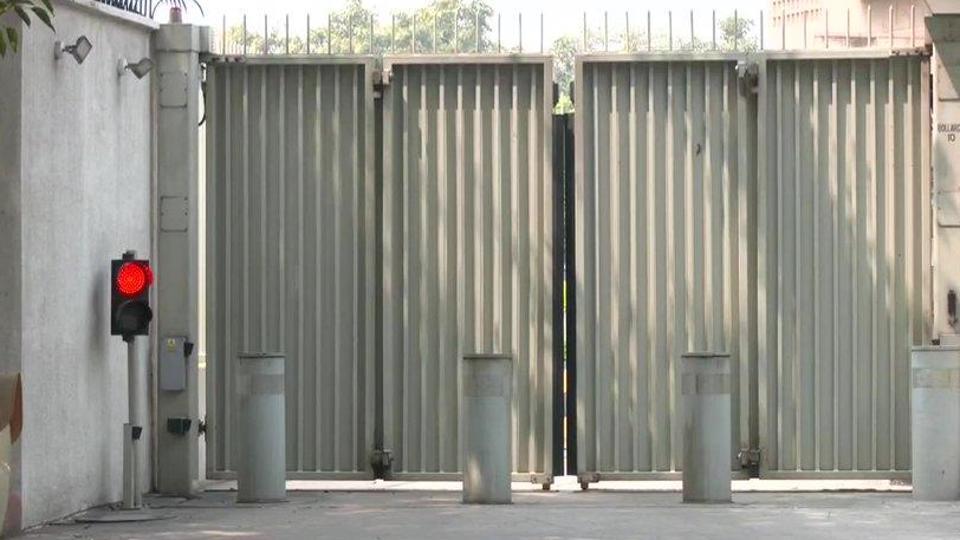
Barricades placed outside the UK mission at Shantipath in the Chanakyapuri diplomatic enclave and British high commissioner Alex Ellis’ residence at Rajaji Marg were removed by Wednesday afternoon.
There were, however, no reports of any reduction in security personnel posted at the mission, the people said.
Also Read: Pro-Khalistan protesters pull down Tricolour at Indian mission in London
The development followed an assessment at the highest levels of the government on responding to a violent protest outside the Indian high commission in London on Sunday, during which a pro-Khalistan activist clambered on to a balcony and pulled down the national flag from a pole at the front of the building.
Reacting to the development, a British high commission spokesperson said: “We do not comment on security matters.”
There was no official word from the external affairs ministry on the matter.
London police had arrived at the scene long after the protest began, leading to anger on the Indian side, which had reportedly shared intelligence inputs with British authorities about the possibility of protests by pro-Khalistan activists turning violent, the people said.
India had reacted angrily to the developments in London, with British deputy high commissioner Christina Scott being summoned to the external affairs ministry late on Sunday night for registering a strong protest over the “actions taken by separatist and extremist elements” against the Indian mission.
The Indian side demanded an explanation for the “complete absence of the British security” that allowed the pro-Khalistan elements to enter the mission premises, and the UK government was asked to take “immediate steps to identify, arrest and prosecute each one of those involved” in Sunday’s protest.
The Indian side also asked the UK to put in place “stringent measures” to prevent the recurrence of such incidents and reminded it of its obligations under the Vienna Convention.
“India finds unacceptable the indifference of the UK Government to the security of Indian diplomatic premises and personnel in the UK,” a statement from the external affairs ministry said.
UK high commissioner Alex Ellis, who is away from India, had denounced the incident at the Indian mission. “I condemn the disgraceful acts today against the people and premises of the @HCI_London - totally unacceptable,” he said in a tweet.
India also lodged a strong protest with the US on Monday over the vandalisation of its consulate in San Francisco during a protest by pro-Khalistan activists.
Following the arrest of Indian diplomat Devyani Khobragade in New York in 2013 on charges of visa fraud, barricades outside the US embassy in New Delhi were removed by Indian authorities.



