
 E-Paper



Bill to acquire Chhattisgarh medical college triggers row
Chief minister Baghel on Tuesday tweeted his rebuttal , insisting that his only aim was to save the medical college and benefit the state’s students.


A controversy has erupted in Chhattisgarh over the Bhupesh Baghel government’s plan to acquire a privately-run medical college with the opposition Bharatiya Janata Party (BJP) alleging that the decision, highlighted in a media report on Tuesday morning, was designed to bail out the loss-making college because it was run by a board that has one of the chief minister’s relatives as a member.
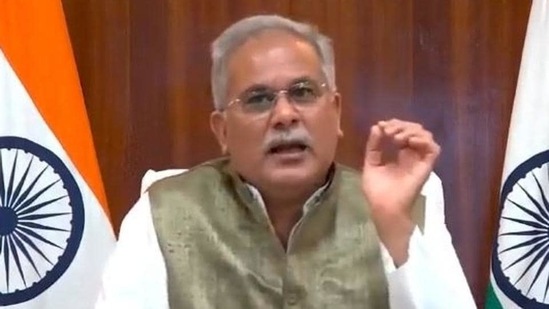
Chief minister Baghel on Tuesday tweeted his rebuttal , insisting that his only aim was to save the medical college and benefit the state’s students. “By acquiring (it), we will save the time to open a new medical college and we will get 150 doctors every year,” the chief minister said.
Chhattisgarh health minister T S Singhdeo is slated to introduce a bill in the state assembly on Wednesday that seeks to acquire the privately-owned Chandulal Chandrakar Memorial Medical College (CCMH) in Durg district.
According to its website, the college, named after senior Congress leader and five-time member of Parliament Chandulal Chandrakar, was set up in 2013 and is run by a 59-member board. Among those on the board is a member of the joint family into which Baghel’s daughter is married.
The opposition alleged the government was pushing the deal to help the loss-making college.
BJP spokesperson Gauri Shankar Srivas said public interest clearly wasn’t driving the government’s hand.
“This is a serious issue… We will raise the issue in the state assembly and knock on the doors of the high court if needed. This government is benefitting their relatives which is a matter of concern.”
Janata Congress Chhattisgarh (Jogi) president Amit Jogi claimed the college has an outstanding debt of ₹125 crore and was not recognised by the MCI since 2017.
”If after all this, the government is acquiring the college, it is because of the chief minister’s relative,” Amit Jogi said.
Government spokesperson and senior minister Ravindra Chaubey said this wasn’t true.
“The aim is to benefit people of the entire state of Chhattisgarh. Secondly, to open a new medical college, we need around ₹500 crore only for infrastructure. This college has got permission of Medical Council of India (MCI) and they have already got infrastructure hence we are acquiring it at half its actual price.”
Dev Chandrakar, who is on the college’s board of directors, said the family of the chief minister’s son-in-law was not linked with the college in any way. The board only asked the government to acquire the college since “we were not able to run it”, he said, declining to elaborate.
Baghel, who put out a string of tweets in defence of the decision, did not give details of the bill but underscored that if the government concludes that something is in the public interest, it will acquire a private medical college as well as the plant in Nagarnar, a reference to his government’s offer to buy the National Mineral Development Corporation-run steel plant if the Centre wants to divest its share.
“As far as benefiting family members is concerned, I want to tell the people of the state, Bhupesh Baghel is accountable to them and always done politics of transparency...When the deal is done, everything will be clear,” he added.
-kW0H-U20214218012MgB-250x250%40HT-Web.jpg)


