
 E-Paper



BJP looks to win over ‘voters of tomorrow’ for 2029 polls
The party’s ideological fount, the Rashtriya Swayamsevak Sangh has also stressed on reaching out the youth for the upcoming general elections.

 Prefer HTon Google


The Bhartiya Janata Party (BJP) has set its sights on preteens and adolescents who will be eligible voters in the 2029 general elections and is planning an outreach aimed at this demographic group to ensure they are not “influenced by the communist and anti-national narrative” said party functionaries aware of the details.
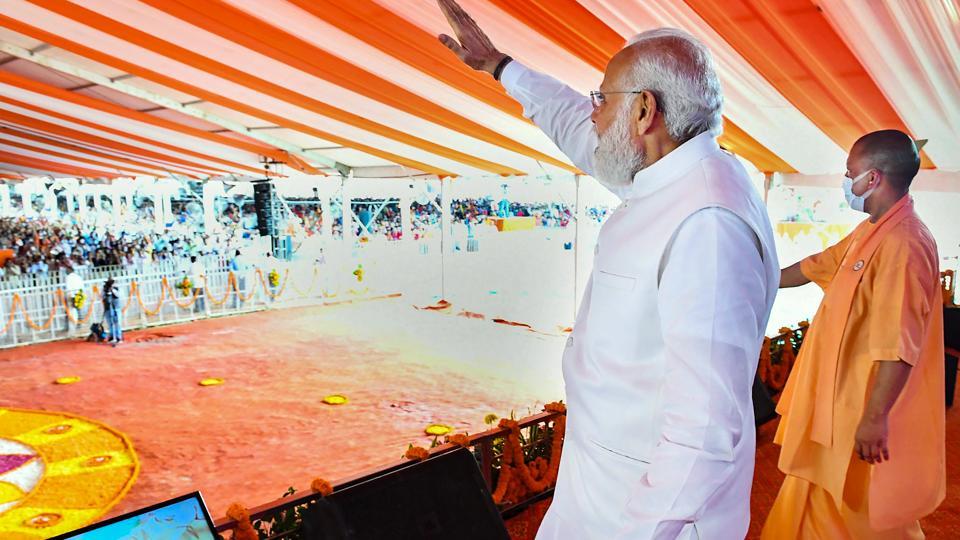
The decision to woo the “voters of tomorrow” is an outcome of a series of meetings held over the past few months including the recent national office bearers meet in the capital on Monday, the functionaries added. The party’s ideological fount, the Rashtriya Swayamsevak Sangh has also stressed on reaching out the youth.
“We are not only looking at 2024 but at 2029 (general elections). There is a concern (in the party) that while the communist parties have lost political ground they have still managed to retain the mind space (of the young). As a result we see the younger lot on social media platforms gravitating towards the communists and have cultivated negative perceptions about the BJP,” a senior party functionary said on condition of anonymity.
Commenting on the social media discourse that is helping cement perceptions against the BJP, the functionary added, “Negative comments and sentiments that evoke the feeling of being wronged get a lot of traction. Sometimes our own kids question us based on the social media narrative.”
The party plans to launch campaigns that will focus on different age groups.
Interestingly , the BJP is already popular among the young: according to a Lokniti-CSDS post-poll survey conducted after the 2019 general elections, the BJP topped the list of parties with 41% votes from voters in the age group of 18-22 years, which was nearly the double of what the other parties including the Congress ended up with. The party was also popular among those between 23-27 years of age.
It is clear the party doesn’t want to lose that base.
“The party’s own post-poll analysis also show that BJP was the most preferred party for the first time voters and the younger lot was attracted to the party because of Prime Minister (Narendra) Modi’s development agenda. The percentage of youth voting for the party rose in 2019 by about four to five percentage points,” a second party functionary said on condition of anonymity.
In 2014, when the BJP came to power at the Centre with a majority, it’s big win was partly credited to the support it got from the first time voters. There were 23.1 million first time voters in 2014 and post poll surveys showed that the party won 39% of the vote from this category. In 2019 there were 84 million crore first time voters.
“Since 2013 the BJP has planned campaigns pivoted around the young and issues that concern them such as jobs, development and economy. The policies of the government that created avenues for earning through schemes such as Startup India and Mudra loans is a key reason why the party continues to get support fromthem,” the second functionary added.
To retain its hold over the young demographic, the party has decided to groom its leaders, particularly young leaders, in subjects such as human rights, cyber laws, and laws pertaining to atrocities against women and scheduled castes and tribes.
It also plans to get articulate young leaders put forth its views.
“We are often attacked by our opponents on these issues, so it is imperative that the party leaders should be ready with facts and figures to counter allegations. Language proficiency is another issue that we will focus on,” the first functionary said.
The overall idea is to create a “positive narrative” about issues that the BJP raises such as “nationalism” and “social harmony”, this person added.
Sanjay Kumar of the Centre for Studies on Developing Societies who has written extensively on the BJP‘s gains from the younger demographic group said: ”It is easier for the party to sway the young, who have not seen any other government and are therefore are unable to make comparisons. The BJP has been the biggest beneficiary of first-time voters and these fresh minds are easier to mobilise.”


