
 E-Paper



1.27 crore items stolen, ₹104-cr loss: RTI reveals 56% jump in Railway linen theft
Following resumption of bedroll services, between January 2022 to May 2026, 1.27 crore bedroll pieces were stolen from trains, mainly by passengers

 Prefer HTon Google


Indian Railways fully resumed handing out of linen items to passengers from January 2022, after the Covid pandemic had led to the provision being halted. But between January 2022 and May 2026, at least 1.27 crore bedroll pieces were stolen from trains, mainly by passengers.
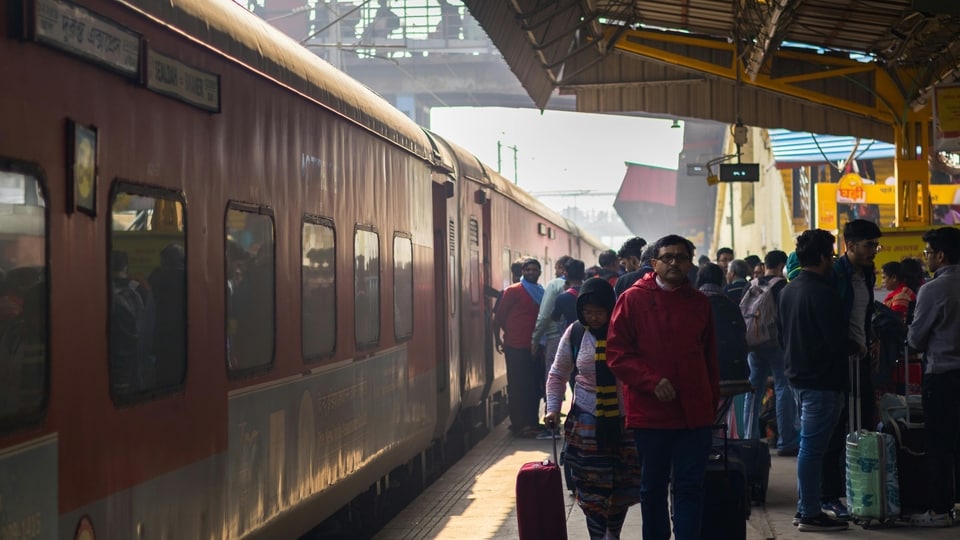
This resulted in a loss of about ₹104.51 crore to contractors, according to an RTI-based investigation by The Indian Express. Around 8 lakh passengers travel in AC coaches every night across the Indian Railways network, it said.
As each journey ends, about one in 1,000 passengers walks away with at least one bedroll item.
The data was complied after replies from 54 divisions across 16 of 18 Railway zones, with some sharing partial information.
When compiled year-wide, it shows a 56% rise in such thefts from 2022 to 2025.
Also Read | India’s next great electrification
Where does most of the theft occur?
Each passenger travelling in an AC compartment is generally provided two linen bedrolls or bedsheets, a pillow cover and a face towel. Towels top the list stolen items, being the most easiest to carry. At least 4.654 lakh face towels have been stolen in the past four years, followed by bedsheets (41.13 lakh), pillow covers (23.59 lakh), blankets (12.95 lakh) and pillows (2.76 lakh), said the IE report.
Ten divisions across seven zones of the Indian Railways account for most of the overall linen theft: 67%. These include Bikaner, Jodhpur and Jaipur (Rajasthan); Ranchi; Delhi; Mumbai; Ahmedabad; Sonpur and Danapur (Bihar); and Bilaspur. Among them, Bikaner (25.76 lakh items) and Ranchi (9.31 lakh) see the most linen thefts, the report said. These are followed by Mumbai (8.17 lakh), Jodhpur (8.09 lakh), Ahmedabad (6.94 lakh), and Danapur (5.72 lakh).
However, some divisions have also seen a dip in linen theft, with Delhi leading among them. The national capital cut theft by 79% (3.27 lakh to 68,013 items), followed by Ahmedabad (down 83%) and Samastipur (down 86%). Meanwhile, two southern divisions, Tiruchirappalli and Palakkad, have not reported any theft.
Also Read | Viral 'Suhagrat Express' sparks question: Does Indian Railways allow private coaches?
Who bears the cost of the stolen linen?
While the theft has cost bedroll contractors more than ₹100 crore, this amount is mostly recovered from the salaries of the coach attendants employed by the contractors.
“Generally linen (items) are collected by linen attendants after de-boarding of passengers from trains. The responsibility of account of linens in Railway coaches is of the agency who has been deployed for linen distribution,” a Railways spokesperson told IE. The spokesperson said cost recovery for any shortage “is done from the bills of the agency.”
The contractors acknowledged the problem too, with one saying the theft had forced them to scrap their contract with the Railways. However, the attendants said they bore the actual cost of the theft, claiming that in most cases, it was their salary the contractors cut to cover the cost of the stolen linen.


