
 E-Paper



BJP MP Tejasvi Surya was asked a ‘great question’ about PM Modi. He explained why press conferences are ‘redundant’
Student asked Bengaluru South MP, “Even though we are the biggest democracy, what's your stance about… PM not attending any press conference?'

 Prefer HTon Google


BJP MP Tejasvi Surya gave a detailed explanation on why Prime Minister Narendra Modi has not taken questions at a press a conference in his entire tenure so far. In a video clip shared by Congress spokesperson Supriya Shrinate among others on X, Surya can be seen and heard responding to a question by a student at a college in Bengaluru.
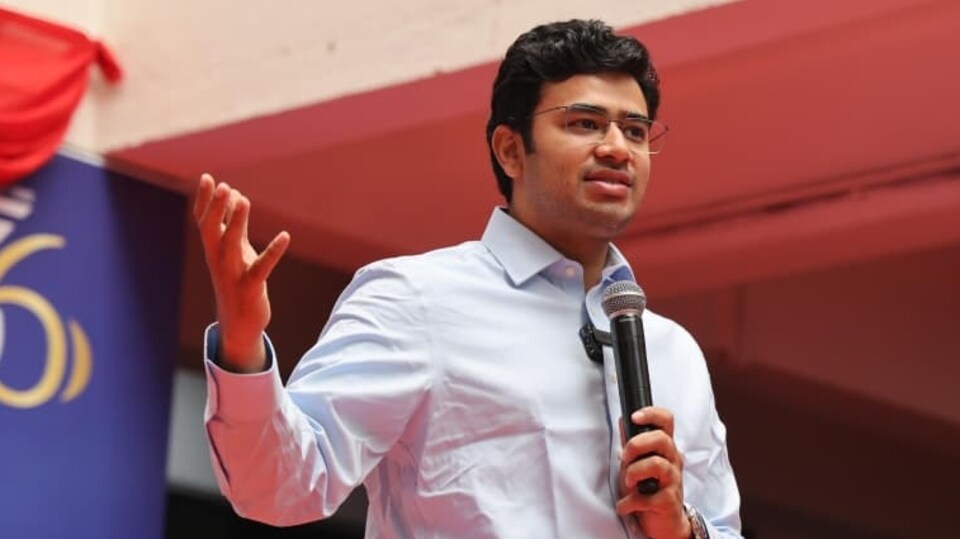
“My question is to you is,” says the student, “Even though we are the biggest democracy, what's your stance about our honourable Prime Minister not attending any press conference in more than 10 years?”
Surya's answer
Surya called it a “great question to start with”. He added after a pause, “Don't you think — like how I said — speeches are so yesterday! In the age of 24x7 social media, where I can talk to my voters directly, the purpose of a press conference is… where you have certain barrier between the leader and the people which comes between you. It is redundant.”
The Bengaluru South MP further argued, “It's not that the PM is not communicating. The PM communicates every day.”
While sharing the clip, Shrinate jibed Surya by calling him a “cerelac baby” — a pop-culture reference for someone naive — and characterised the exchange as Gen Z having “stumped” him.
Though Surya did not respond to the video going viral, he did put up photos from having attended an event at the college on June 18.
“Over the past few days, I have had the opportunity to engage with students across several such interactions. What stands out unequivocally is the remarkable sense of purpose, ambition, and resolve among our youth to contribute meaningfully to our nation's progress,” he wrote in the caption of his X post.
PM's no-presscon row
PM Modi has given interviews to journalists but has stayed away from press conferences since taking office in May 2014. A notable exception was a press conference in 2019, during which Modi let then-BJP president Amit Shah field all questions, deflecting the ones directed at himself.
The issue came up recently during PM Modi's visit to Oslo, Norway, in May 2026. After a joint media statement with Norwegian Prime Minister Jonas Gahr Støre — which was described as a "press meet" — he took no questions. Norwegian journalist Helle Lyng Svendsen of daily newspaper Dagsavisen called out, "Prime Minister Modi, why don't you take some questions from the freest press in the world?" He walked out of the conference room without responding. Svendsen followed him out and asked, "Do you deserve the trust of our government?" — also receiving no reply.
Indian officials later said the event was a pre-arranged joint media statement, not an open press conference, and that leaders are not obligated to take questions at such diplomatic briefings.


