
 E-Paper



Calls grow for testing, quarantining of health staff after loss of smell, taste
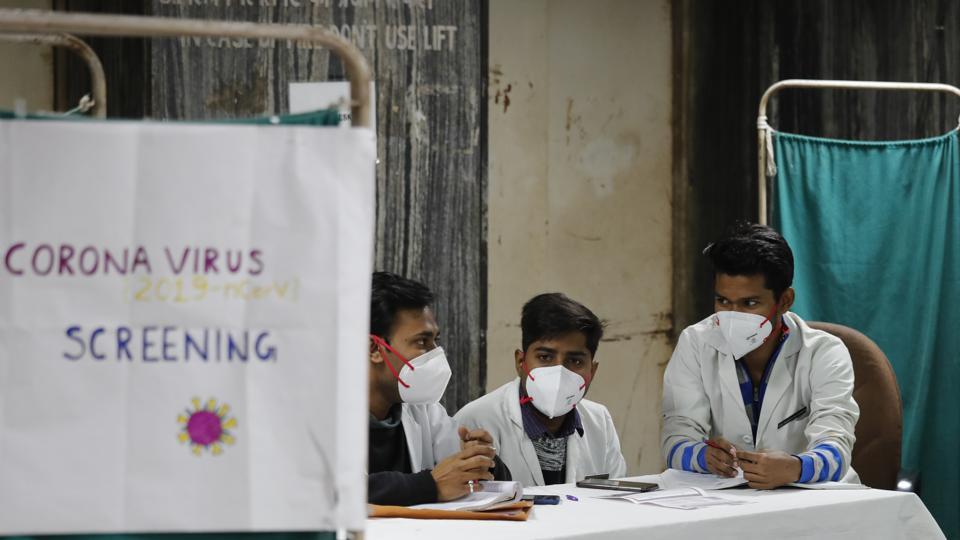
Health workers are at high risk of infection, both from undiagnosed cases as well as from patients in isolation wards due to aerosol-generating procedures such as intubation of severely ill patients in intensive care units.


With scientists warning that sudden loss of smell and taste could be early symptoms of the coronavirus disease (Covid-19), the editor of a leading UK-based scientific journal has endorsed the suggestion that front line health workers should get quarantined and tested after the onset of such signs.
“A proposal, actually a plea, from several doctors on the front line of Covid-19. Those with a new loss of smell should be advised to self-isolate and be tested. This simple manoeuvre could save lives,” tweeted Dr Richard Horton, editor in chief of The Lancet journal.
Ajay Swaroop, chairman of the department of ENT (ear, nose and throat) in New Delhi’s Sir Gangaram Hospital, said: “Amnosia, or the loss of smell and with it the altering of the sense of taste, is a well established symptom of Covid-19 just as dry cough, fever and difficulty in breathing. There are very few conditions that lead to sudden loss of smell; so it should be treated as a early sign, especially by people who risk exposure at the front lines and those who develop it with another Covid-19 symptoms.”
Health workers are at high risk of infection, both from undiagnosed cases as well as from patients in isolation wards due to aerosol-generating procedures such as intubation of severely ill patients in intensive care units.
Last month, researchers from the University of California (UC), San Diego, found Covid-19 patients with symptoms of loss of smell and taste had a 10-fold higher risk of being hospitalised compared to those without the symptoms.
“Based on our study, if you have smell and taste loss, you are more than 10 times more likely to have Covid-19 infection than other causes of infection. The most common first sign of a Covid-19 infection remains fever, but fatigue and loss of smell and taste follow as other very common initial symptoms,” said Dr Carol Yan, an otolaryngologist and head and neck surgeon at UC San Diego Health. The findings were published in the journal International Forum of Allergy & Rhinology on April 12.
The San Diago study found among those who reported loss of smell and taste, the loss was typically profound, not mild. The effect was, however, temporary, and both smell and taste were restored within two to four weeks of infection.
“Among the Covid-19 patients with smell loss, more than 70% had reported improvement of smell at the time of survey, and of those who hadn’t reported improvement, many had only been diagnosed recently,” said Yan.
Covid-19 symptoms include fever, dry cough, tiredness, shortness of breath or difficulty breathing. According to the US Centers for Disease Control and Prevention (CDC), a sudden loss of taste or smell, along with either a cough or shortness of breath, should be taken as a sign of Covid-19.
Symptoms of Covid-19
Cough; shortness of breath or difficulty in breathing
Or at least two of these symptoms:
Fever; chills; repeated shaking with chills; muscle pain; headache; sore throat; new loss of taste or smell
Source: US Centers for Disease Control and Prevention


