E-Paper



Can India’s first large private gold mine post-independence in Andhra Pradesh reduce import dependence?
The upcoming Jonnagiri gold project signals more than just another mining operation.

 Prefer HTon Google


For a country that requires vast quantities of gold every year, India’s domestic production has long remained surprisingly limited. That imbalance, however, could begin to shift as a new gold mine in Andhra Pradesh prepares to enter commercial production — marking a rare expansion in a sector that has seen little large-scale activity since Independence.
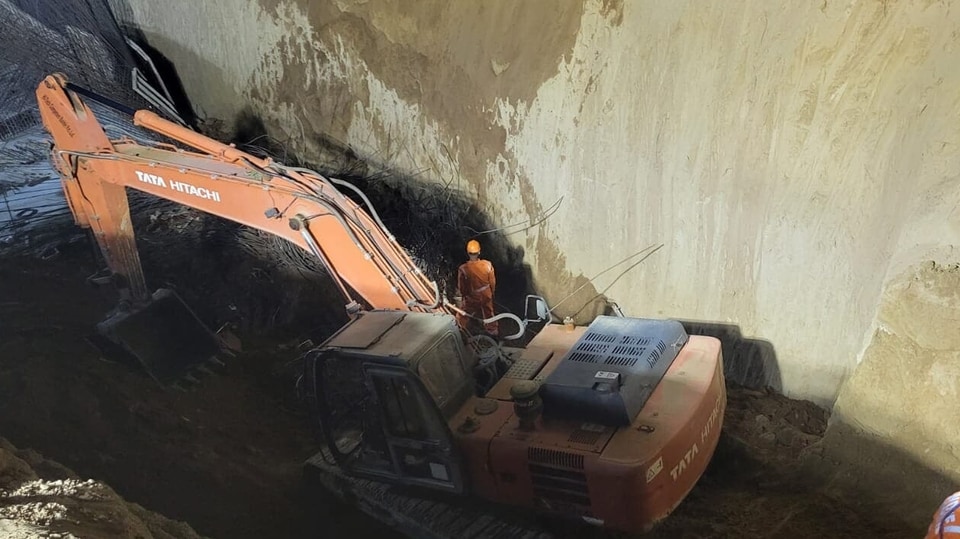
India’s modern gold mining journey has been defined by a handful of legacy operations. The Hutti Gold Mines, which began operations in 1947, has long been the country’s primary source of domestically produced gold. Before that, the iconic Kolar Gold Fields, which started in 1880, dominated production until its closure in 2001.
Now, nearly eight decades after Hutti began operations, Jonnagiri is set to become the first large-scale gold mine to start production in independent India, according to a report by Business Standard (BS). While a small mine in Jharkhand has come up in recent years, its output has remained irregular and insignificant, making Jonnagiri a far more consequential development.
Private sector takes the lead
Unlike earlier projects, Jonnagiri is being operated by Geomysore Services, a private-sector company. The venture is backed by Thriveni Earthmovers and Lloyds Metals, which together hold a majority stake, along with Deccan Gold Mines, as per the report.
What sets this project apart is its integrated approach. The company plans not just to mine gold but also refine it and sell it directly to jewellers under its own brand.
Production targets and future ambitions
The project is already in the trial phase, with pre-commercial production underway. Commercial production is expected to begin soon, with a target of around 600 kg of gold by the end of FY27, B Prabhakaran, who is associated with the companies behind the project was quoted as saying by a BS report.
Looking ahead, the company aims to scale up output significantly:
- Initial target: ~600 kg by FY27
- Long-term ambition: up to 2 tonnes annually (subject to approvals)
Why now? Global pressures and domestic opportunity
The timing of this project is not accidental. With geopolitical tensions making gold imports more expensive, the need for domestic production has become more pressing.
India imports over 800 tonnes of gold annually, and rising global uncertainties have only added to the cost burden. Industry leaders believe that projects like Jonnagiri could reduce dependence on imports and encourage the development of more mines across the country.
Why India fell behind
India was not always this far behind. In the 1970s and 1980s, the country’s gold production was comparable to that of major producers like China, Australia and South Africa, with output of around 5 tonnes annually.
According to Hanuma Prasad Modali of Deccan Gold Mines, two key factors led to this decline, limited exploration activity and bureaucratic hurdles.
For decades, policy focus remained on minerals like coal, iron ore, zinc and copper, which were seen as more critical for economic growth. Even after the sector was opened to private players in the 1990s, regulatory delays continued to slow progress.