E-Paper



Centre halves sugar stock limit for dealers to 2,000 quintals from September 15
The 4,000-quintal limit, imposed August 1, was itself introduced after sugar prices began rising sharply.

 Prefer HTon Google


The central government has halved the stockholding limit for sugar dealers to 2,000 quintals from 4,000 quintals, tightening restrictions on the trade as it seeks to prevent hoarding and speculative buying ahead of the festive season.
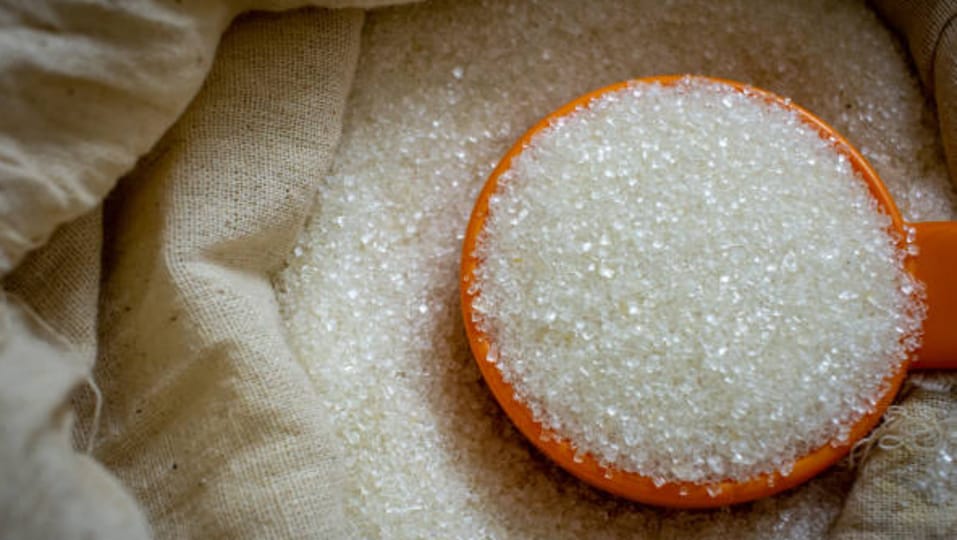
The new limit will take effect from September 15 and remain in force until November 30, according to an order issued by the consumer affairs ministry on Tuesday. Dealers will also continue to be barred from holding sugar for more than 30 days from the date of receipt.
The 4,000-quintal limit, imposed August 1, was itself introduced after sugar prices began rising sharply.
The government has now reduced it further after physical verification of stocks across sugar mills, dealers and traders identified instances of excess holding, non-disclosure and irregularities in the movement and sale of sugar, the ministry said.
The tighter limit comes even as wholesale sugar prices have started easing following a series of government measures. The ministry said ex-mill prices have declined by around 20% in recent days after interventions aimed at improving market availability and curbing speculative activity.
Also Read: Rise in sugar prices take a toll on West Bengal’s sweet industry ahead of festive season
The government will retain the 4,000-quintal limit for dealers in Kolkata and its extended metropolitan areas. The ministry said the exception was necessary because Kolkata sources sugar from Uttar Pradesh and Maharashtra and supplies the eastern and northeastern regions.
Centre’s major interventions
The latest move is part of Centre’s major interventions in the sugar market in little over a month. It first capped dealer stocks at 4,000 quintals from August 1, then extended stock restrictions to large industrial consumers from September 1, limiting those using more than 10 tonnes of sugar a month to 15 days of their requirement.
The government has also allowed duty-free imports of 1 million tonnes of raw sugar until October 31, the first such import intervention in nearly a decade, to improve domestic availability ahead of the festival season. The announcement has begun to ease wholesale prices, although retail prices have remained substantially higher than earlier levels.
Concerns over tighter domestic supplies
The price surge followed concerns over tighter domestic supplies and lower closing stocks for the 2025-26 sugar season, which ends in September. A rainfall deficit early in the monsoon also added to concerns over the currently sown crop outlook. When the government first imposed the 4,000-quintal limit in July, ex-mill prices in Maharashtra had risen to about ₹42,000 a tonne from ₹38,000 a tonne the previous month.
Also Read: Ludhiana: Sugar prices soar ahead of festivities
The government said it has undertaken “intensive monitoring and physical verification of sugar stocks across the country... The exercise has identified instances of excess holding, non-disclosure and irregularities in the movement and sale of sugar stocks." Physical verification “shall continue in the coming weeks”, while the government has put in place a mechanism for “regular declaration and updating of sugar stocks through the Department of Food & Public Distribution’s online portal”.
The new limit is aimed at further curbing hoarding, discouraging speculative trading and preventing excessive accumulation of sugar stocks, the government said. The measure will “facilitate the orderly movement of sugar through the supply chain” and ensure its “continuous availability to consumers at reasonable prices”, it said.