
 E-Paper



Centre may overhaul key PMSYM pension scheme
The PM Shram Yogi Maandhan (PMSYM), launched in 2019, is a voluntary, contribution based pension scheme to offer assured pension of ₹3,000 a month for informal workers who have no safety nets.

 Prefer HTon Google


The Union government has sought an independent evaluation of a key social security scheme aimed at providing pensions for the country’s large unorganized workforce because participation and enrolments have been low, the labour ministry has told a parliamentary panel.
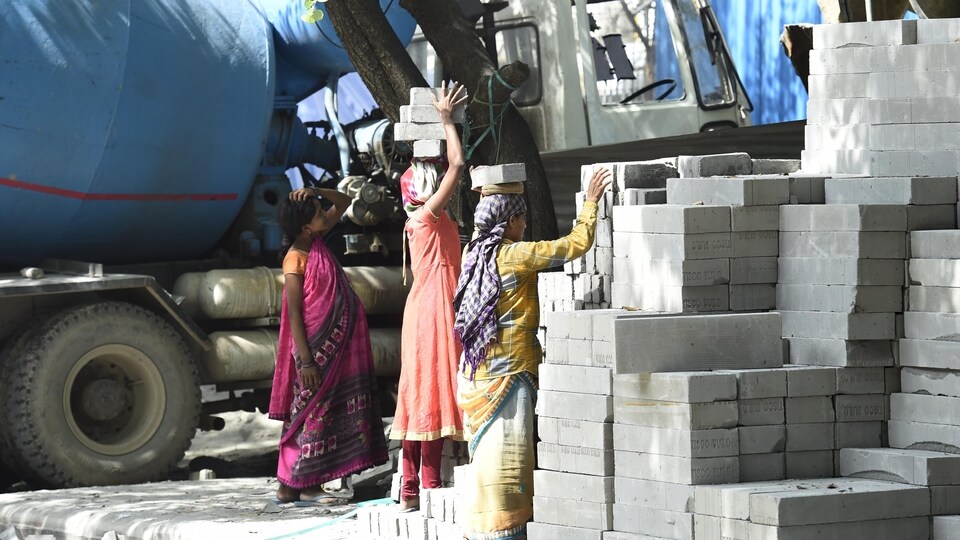
The PM Shram Yogi Maandhan (PMSYM), launched in 2019, is a voluntary, contribution based pension scheme to offer assured pension of ₹3,000 a month for informal workers who have no safety nets. Under the scheme, managed by the Life Insurance Corporation of India, the government co-pays 50% of the premium. Public social insurance, a key element of welfare, is designed to protect vulnerable households from economic shock.
The Indian Institute of Public Administration is reassessing key aspects of the scheme, its implementation and design based on which the ministry is likely to make changes to strengthen the scheme. Between 2021-22 and 2022-23, the scheme’s enrolments rose from 128,930 to 263,971, a jump of 104%, but total subscribers are slightly over 500,000.
Given that unorganized sector workers account for over 91% of the country’s total workforce, the pension scheme is far from reaching saturation. The government has targeted to cover at least 10 million individuals by 2024-25.
The scheme is intended for the bulk of the workforce unlikely to have any form of insurance cover, such as “street vendors, loaders, brick kiln workers, cobblers, ragpickers, domestic helps, rickshaw pullers and landless labourers, construction workers, beedi (hand rolled cigarettes) makers, weavers, etc.”
Subscriber contributions to the scheme are deducted through an auto debit facility from their bank account. The ministry, replying to the parliamentary standing committee on labour, said any number of reasons could be behind lower coverage, including coverage under Atal Pension Yojana, another social pension scheme, or income disruptions due to the pandemic.
Even though Asia’s third-largest economy has been steadily formalizing, especially with its high-tech financial and payments sectors, the “poor may still find accessing schemes difficult due to many social reasons or compliance norms”, said Rakhi Abrol, a policy analyst. Independent evaluation of schemes will help in addressing these concerns, she said.


