
 E-Paper



Coronavirus update: Centre to pay Rs 2,000 to farmers in advance under PM-Kisan plan
The World Health Organization has lauded India’s efforts to curb the coronavirus pandemic that is roiling Asia’s third largest economy, apart from devastating lives. The current 21-day lockdown period, however, has walled off the rural sector from the urban, from where rural incomes flow.


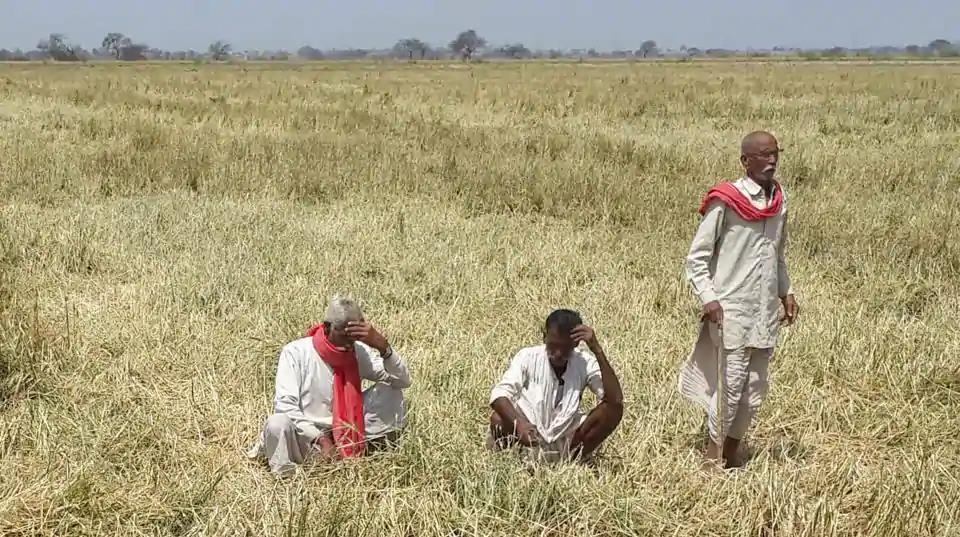
The Narendra Modi government will make an advance payout of its universal cash-for-farmers programme, PM-KISAN, on April 1, 2 or 3, rather than in June, responding to the coronavirus epidemic, which could upend agriculture, the country’s largest employer.
The package announced by finance minister also said two-thirds of Indians, about 800 million people, currently eligible for cheap grains under the National Food Security Act, would be given double their quota of foodgrain ration, up from the usual 5kg per person.
Under PM-KISAN, the government provides an income support of Rs 6000 a year to farmers with a valid enrolment, paid in three equal cash transfers of Rs 2000 -- one every four months. It was launched by the Prime Minister Narendra Modi on 24 February 2019, when the first instalment was paid.
Nearly 80.5 million farmers will be paid about Rs 16000 crore in all, an official requesting anonymity said, adding that the Centre is gearing up to pay advances of all federally-funded and partially-federally-funded cash and in-kind subsidies, such as old-age pensions and ration.
Small agri business owners will need access to emergency grants, analysts say. Additional money needs to be set aside for the rural unemployed too, according to them.
The cash transfer under PM-KISAN is an unconditional handout, meaning that it doesn’t require any proof of how recipients use it, but payments are usually timed with sowing seasons to help finance agricultural inputs. Inputs refer to all materials needed for cultivation by farmers, from seeds to fertilisers.
The proposal for the advance payment of the PM-KISAN tranche, the first this financial year, from the agriculture ministry has been approved by the Prime Minister. The finance ministry is ready to release the amount to the agriculture ministry and so are all states to facilitate it, the official said.
The World Health Organization has lauded India’s efforts to curb the pandemic that is roiling Asia’s third largest economy, apart from devastating lives. The current 21-day lockdown period, however, has walled off the rural sector from the urban, from where rural incomes flow. India’s has recorded close to 700 cases of Covid-19.
All chief secretaries have finished providing the Centre with their respective “lots” for the PM-KISAN tranche, a jargon for payout data of each eligible farmer, state-wise, such as land-holding, biometric and bank account details.
The cash-transfer takes the direct benefit transfer or DBT mode. This means all 80.5 million farmers will simultaneously get Rs 2000 each in their bank accounts through electronic release by federal authorities.
There could still be challenges. Aadhaar-based enrolment and cash transfers, slow internet connections in many rural centres, and messy land records have slowed the PM-KISAN programme, the farm ministry told a parliamentary panel in January.
Eligible farmer families are identified on the basis of operational land holding data according to the agricultural Census Data 2015-16, which is then extrapolated to 2018-19, an official said. It is the job of state governments to provide accurate beneficiary data and payments are continuously updated.
“This decision is obviously welcome. We also need income lifelines for all vulnerable sections, such as the urban manual workers and agricultural labourers,” said Manoj Kumar Panda of the Institute of Economic Growth, Delhi University.


