E-Paper



Chances of Bangladesh PM Tarique Rahman’s visit to India ‘very slim’, says top aide
Humayun Kabir, the foreign affairs adviser to the PM, said in an interview with state-run BSS news agency that Bangladesh will show a “positive attitude” towards participating in the Brics Summit

 Prefer HTon Google


The chances of a visit to India by Bangladesh Prime Minister Tarique Rahman before the Brics Summit are “very slim” and the issue will depend on a “change in the mindset” of the Indian leadership, a top aide of Rahman has said.
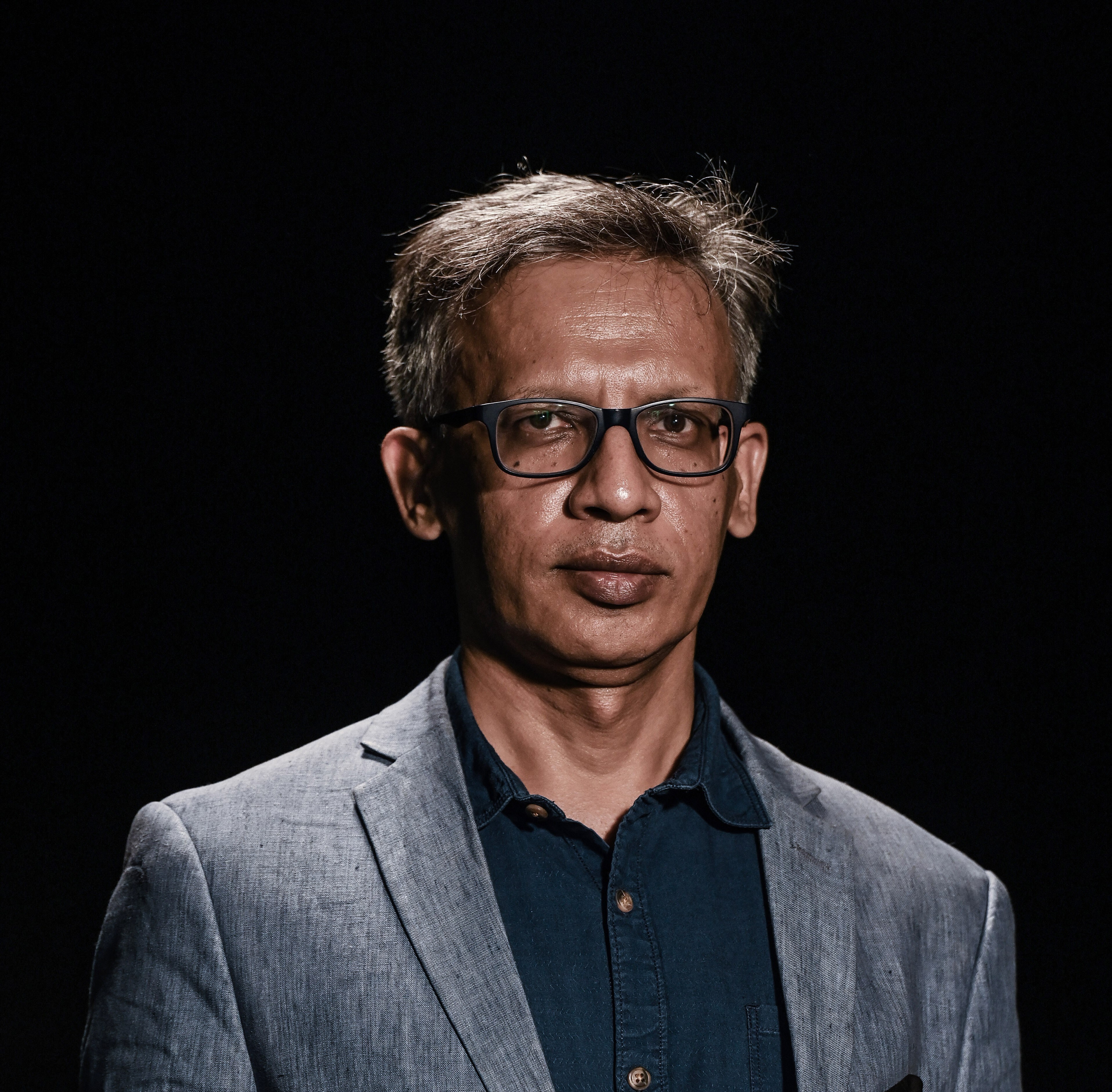
Humayun Kabir, the foreign affairs adviser to the PM, said in an interview with state-run BSS news agency that Bangladesh will show a “positive attitude” towards participating in the Brics Summit if a “suitable environment is created based on consensus” between the two countries.
Kabir’s comments came against the backdrop of lingering uncertainty over a possible bilateral visit to India this month as part of efforts to normalise relations. India has invited Rahman for both a bilateral visit and to attend the outreach session of the Brics Summit in his capacity as the chair of the Bimstec grouping.
“It is necessary to be sure what kind of relationship India wants to build with the elected government in Bangladesh with a mandate of two-thirds of the people. There is no justification for a hasty summit visit beyond national interests,” he said in the interview published in Bengali.
“Unless a suitable environment is created based on consensus between both countries on specific issues and a respectful invitation, the chances of the Prime Minister’s visit to India before the upcoming BRICS summit are very slim.”
Kabir referred to what he described as “rumours” in the Indian media about Rahman’s visit before the Brics Summit to be held in New Delhi during September 12-13, and said Bangladesh has “adopted a policy of not rushing things at the moment, maintaining specific national interests”.
He added, “However, if a suitable environment is created based on the consensus of the two countries, Dhaka will express a positive attitude towards participating in the upcoming Brics Summit.”
Kabir, who is also joint secretary general for international affairs in the ruling Bangladesh Nationalist Party (BNP), said reports in the Indian media about Rahman’s visit are “baseless and based on assumptions”.
“Relations between the two countries and the high-level visit of the head of the Bangladesh government depend on the change in the mindset or perspective of the current leadership of India. The neighbouring country must correctly understand the reality of the July mass uprising in Bangladesh that resulted in the sacrifice of more than 1,500 people,” he said, referring to the student-led protests in July-August 2024 that unseated the Sheikh Hasina government.
Hasina has lived in self-exile in India since she fled Dhaka in August 2024 and her presence in India, as well as her comments from Indian soil attacking the BNP government, have emerged as a key irritant in bilateral ties. Bangladesh has reiterated its request for her extradition, with the Indian side saying the matter is being examined in line with legal processes.
Kabir expressed “deep anger” over the use of Indian territory to “give political or media space to convicted and absconding Bangladeshi convicts”. He contended that “giving fascist Sheikh Hasina a chance to speak politically or in the media [in India] is against India’s democratic etiquette”.
Also Read: India invokes reciprocity in Bangladesh ties amid Hasina extradition demand
He added, “The use of Indian territory to carry out any destabilising activity against Bangladesh or to give space to a convicted person, terrorist or murderer has deeply angered crores of people of Bangladesh. According to international diplomatic norms, Delhi cannot justify this in any way.
“Also, it cannot be justified under any circumstances on the pretext of freedom of expression. The government has already lodged a diplomatic protest with New Delhi, reminding it of its bilateral and international legal obligations in this regard. Diplomatic pressure will continue to stop any anti-Bangladesh activities in the future.”
The Indian government distanced itself from a virtual news conference by Hasina on August 5 and said it didn’t endorse the views aired by her at that event.
Kabir said the BNP government has a balanced foreign policy in line with its “Bangladesh First”. Bangladesh is in a “positive position” to join a potential economic or defence framework formed by Saudi Arabia, Pakistan and Türkiye, he said without going into details.
Rahman’s visit to Riyadh at the invitation of Saudi Crown Prince Mohammed bin Salman will be finalised soon after the summer. At the same time, bilateral relations, trade and people-to-people connectivity are being strengthened as part of normal work with Pakistan, he said.
Kabir referred to the strengthening of strategic relations with China and said ties with Beijing have reached a new height. Avoiding geopolitical pressure, Bangladesh is being given special priority under the “Two Plus Two” mechanism and the comprehensive partnership with China, and discussions are underway on attracting Chinese foreign direct investment (FDI), he said.