
 E-Paper



UCC may threaten identity, practices of tribals: Chhattisgarh body
Former minister and CSAS president Arvind Netam told reporters that the Centre should take everyone into confidence before going ahead to implement UCC

 Prefer HTon Google


RAIPUR: The Chhattisgarh Sarva Adivasi Samaj (CSAS) on Tuesday said that the central government should not be in a rush to implement a uniform civil code as it could threaten the identity and traditional practices of tribals who follow customary laws.
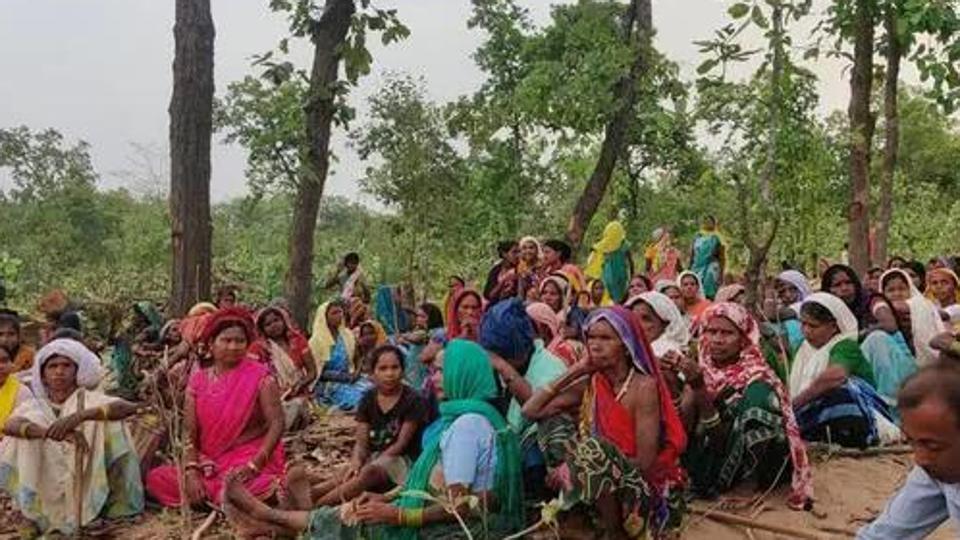
Former Union minister and CSAS president Arvind Netam told reporters that the Centre should take everyone into confidence before going ahead to implement it.
Netam’s comments come against the backdrop of Chhattisgarh chief minister Bhupesh Baghel’s statement that a uniform code will destroy tribal culture.
Netam said the UCC may affect tribal society’s specific customs and traditions, which have existed for centuries, resulting in a threat to the identity and existence of tribals. “It seems impractical to implement the UCC in a tribal society. The Law Commission of India has invited suggestions for the UCC in the country and tribal communities of Chhattisgarh have submitted their opinions keeping in view their customary rules,” he added.
“The tribal community is governed by its customary laws in matters of birth, divorce, partition, succession, inheritance, land and property, and this is its identity, which is different from the rest of the castes, communities and religions,” he said.
Citing examples, Netam said in tribal society, women have the freedom to marry multiple times after leaving the incumbent husband and they don’t have the right to ancestral land.
He underlined that customary practices of tribals have the force of law under Article 13(3)(a) of the Constitution Tribals enjoy multiple rights under the Fifth and Sixth schedule of the Constitution and the Panchayat (Extension to Scheduled Areas) Act.
The CSAS is in touch with tribal groups in other states of central India so that they can collectively raise their voice against any such law that is a threat to their customs and traditions, Netam said.


