
 E-Paper



Chhattisgarh sets up panel to probe 2009 Madanwada Maoist ambush
In September last year, chief minister Bhupesh Baghel had announced that a judicial probe will be conducted into the case.

 Prefer HTon Google


The Chhattisgarh government has constituted an inquiry commission to probe the Maoist attack in Rajnandagon district in 2009 wherein the then superintendent of police Vinod Choubey and 28 other policemen were killed, officials said on Sunday.
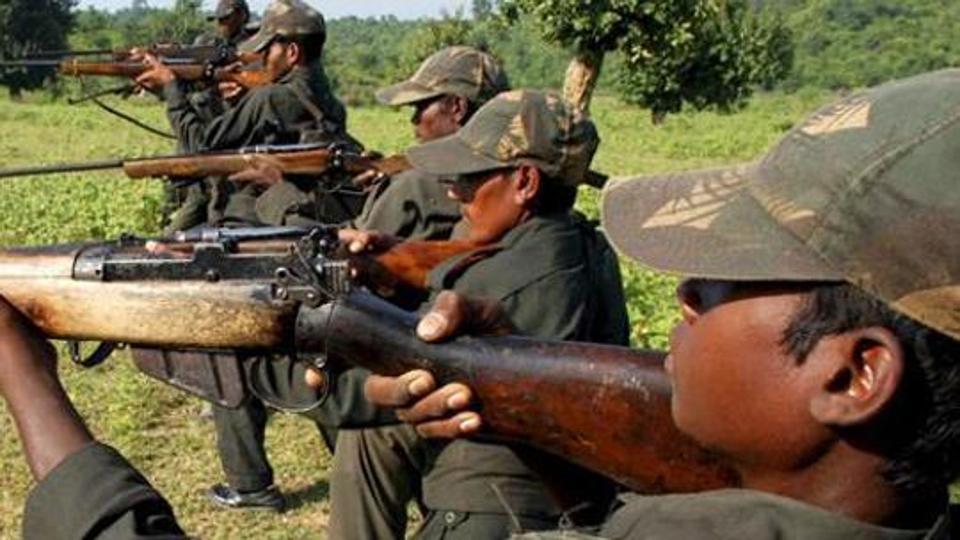
Confirming the development, director of Public Relations in the state government, Taran Prakash Sinha said, “The inquiry commission, to be headed by Justice Shambhu Nath Srivastava, has been asked to submit the report in the next six months.”
In September last year, chief minister Bhupesh Baghel had announced that a judicial probe will be conducted into the case.
On 12 July, 2009, around 29 police personnel, including Choubey, were killed in ambushes and landmine attacks by Maoists in three separate incidents in Madanwada and nearby areas in Rajnandgaon.
In one of the incidents, two security men were killed in an encounter with Naxals in Madanwada. Subsequently, Choubey rushed to the spot along with reinforcement. When they were heading to the spot, Naxals ambushed them, killing the police officer and other jawans.
Choubey was posthumously awarded the Kirti Chakra.
Madanwada ambush was one of the biggest Maoist attacks in Chhattisgarh.
-kW0H-U20214218012MgB-250x250%40HT-Web.jpg)


