
 E-Paper



Chhattisgarh to announce minimum support prices for kodo-kutki millets
The kodo and kutki millets are grown mostly by tribals of Bastar and in other parts of the state.

 Prefer HTon Google


The Chhattisgarh government will procure kodo-kutki (minor millets) on minimum support prices (MSP) from the farmers and tribals of the state this year, officials said on Monday.
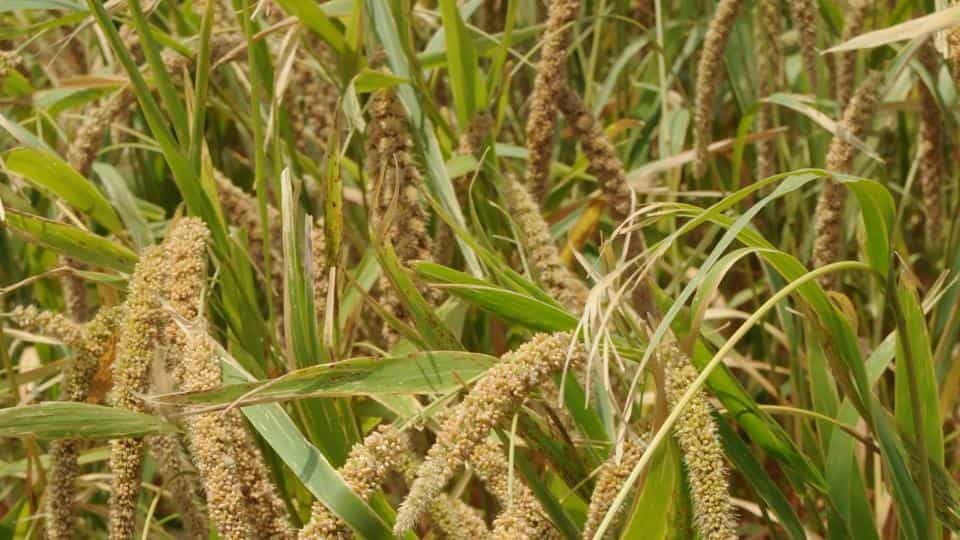
Chhattisgarh chief minister Bhupesh Baghel, in a function in Bijapur district of Bastar region on Sunday, announced that MSP for kodo-kutki will also be declared from this year to help the tribals and other farmers of the state, an officer said.
Millets are mostly cultivated in low-fertile lands, mountainous terrain, tribal and rain-fed areas in states such as Andhra Pradesh, Chhattisgarh, Gujarat, Haryana, Madhya Pradesh, Maharashtra, Karnataka, Uttar Pradesh, Tamil Nadu and Telangana.
The kodo and kutki millets are grown mostly by tribals of Bastar and in other parts of the state but since the yield is less than paddy and wheat, most farmers have given up cultivating it.
“The idea is to procure these millets from the tribals of Bastar and provide them better price,” said a senior official.
According to the Indian Council of Agricultural Research, millets are drought-tolerant and resistant to climate change. Cultivation of millets requires less water than rice and wheat, which makes them suitable for small growers.
In December 2020, the Chhattisgarh government had decided to procure seven more forest produce from the tribals of the state.
The seven new minor forest produce that were added to the list of forest produce procured at minimum support price by the state government includes Kusmi seed, Reetha fruit (dry), Shikakai, Satavar roots, Kaju Guthli, Malkangani seeds, and Mahul leaves.
As per the officials, total 52 forest produce are being procured in the state.
-kW0H-U20214218012MgB-250x250%40HT-Web.jpg)


